

ABB E-mobility and MAN successful test megawatt charging on the new eTruck
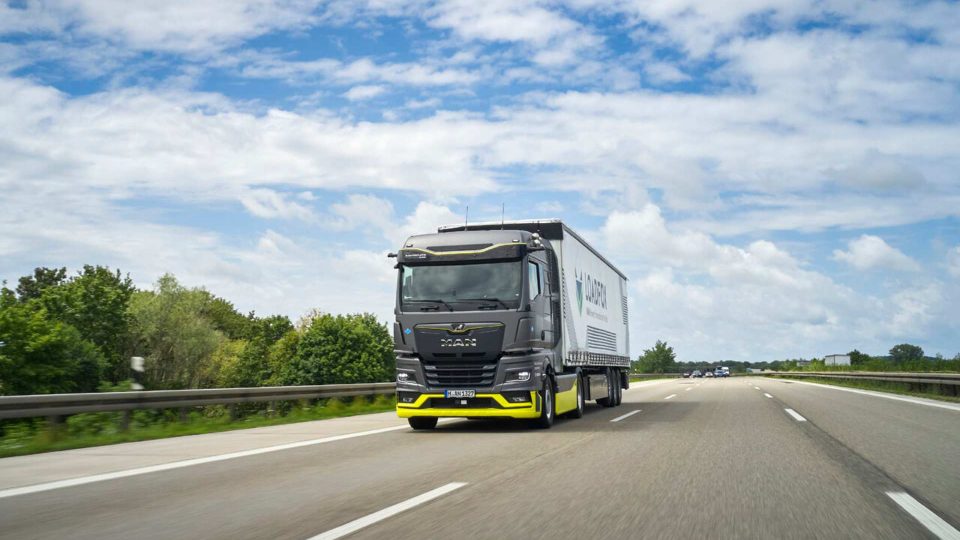
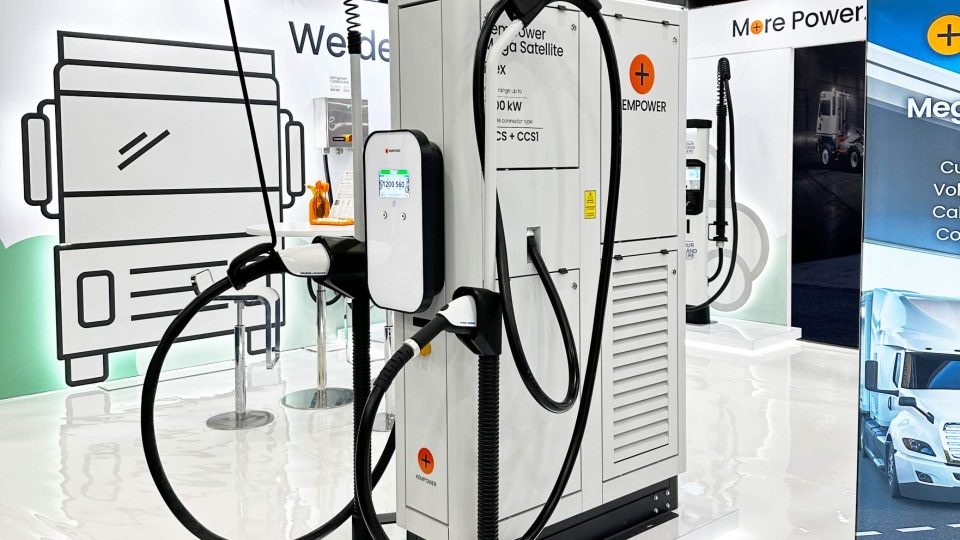
As communicated by ABB, the testing took place at MAN in Munich, where full MCS capability was demonstrated using proof-of-concept chargers built on the Terra High Power platform. With charging sessions exceeding 700V and 1,000A the results validated system stability for long-duration, as well as high-power charging.
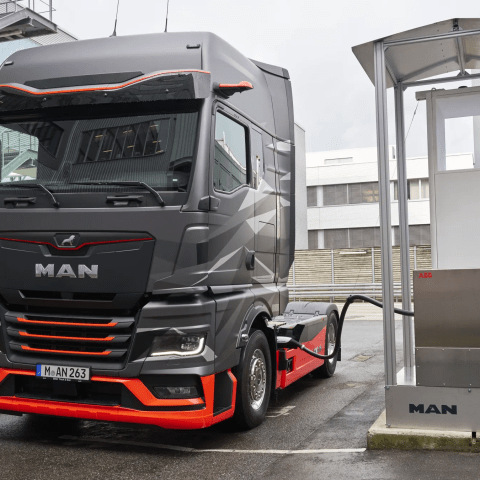
In collaboration with MAN Truck & Bus, ABB E-mobility has successfully completed their first MCS charging tests using Ethernet-based communication, standardized in ISO-15118-20 and the only recently released ISO-15118-10. These standards define the communication protocol used in MCS charging.
As communicated by ABB, the testing took place at MAN in Munich, where full MCS capability was demonstrated using proof-of-concept chargers built on the Terra High Power platform. With charging sessions exceeding 700V and 1,000A the results validated system stability for long-duration, high-power charging – critical for fleet operators relying on minimal downtime and maximized efficiency.
Statements from ABB and MAN
“Reaching this 1,000A milestone with the fully standardized MCS charging interface based on Ethernet communication using latest protocols was a major achievement! This test highlights our strong cooperation with MAN and our shared commitment to enabling reliable, economic, and sustainable transport,” said Christopher Thompson, Head of Product Marketing at ABB E-mobility.
“Our actual MCS test with the newest communication standards with Ethernet confirms the viability and reliability of MCS charging, marking the next major step toward a robust, industry-wide megawatt charging network. Logistics companies must trust that megawatt charging will work reliably from day one – and these successful tests prove that MCS is ready to deliver,” added Marcel Hessel, Unit Manager Charging Systems & Components at MAN Truck & Bus.