

European truckmakers call for three-year delay to 2030 CO₂ targets
Europe's leading truck manufacturers are calling for the 2030 CO₂ compliance timeline to be adjusted by three years, arguing that charging infrastructure, grid connections and economic conditions are not developing quickly enough. ACEA says zero-emission trucks currently account for only 2.4% of new heavy-duty registrations in Europe.

Europe’s leading truck and bus manufacturers have called on EU policymakers to adjust the 2030 CO₂ compliance timeline by three years, arguing that the conditions required for large-scale adoption of zero-emission heavy-duty vehicles are significantly behind schedule.
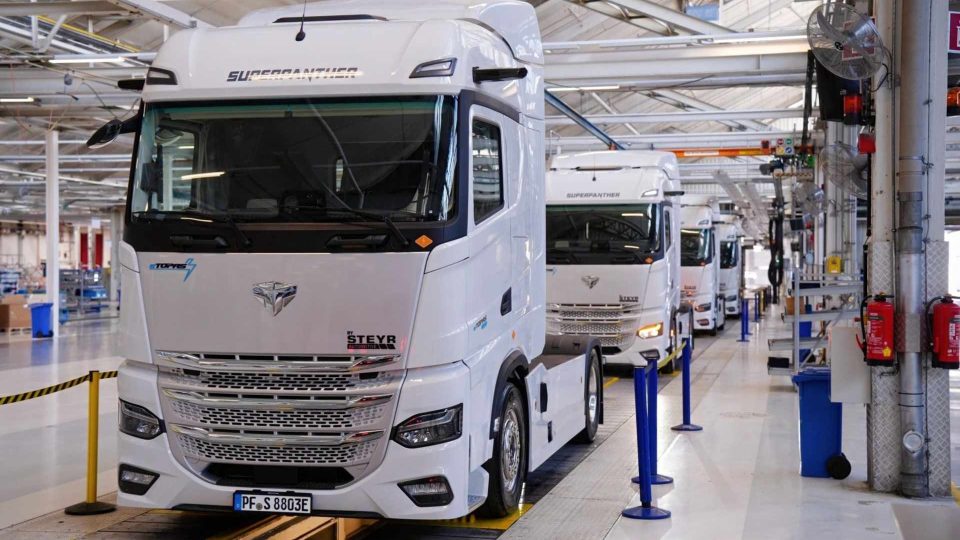
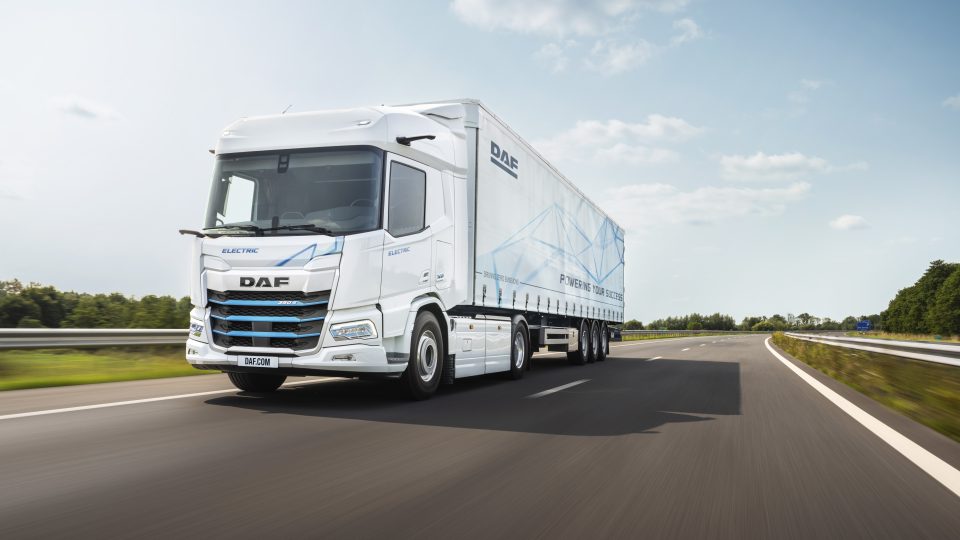
The call was made at IAA Transportation in Hannover by the leaders of DAF Trucks, Daimler Truck, Ford Otosan, Iveco Group, MAN Truck & Bus, Scania and Volvo Group.
The manufacturers say they remain committed to Europe’s decarbonisation objectives and have already invested heavily in battery-electric and hydrogen vehicles. Their argument is that infrastructure, grid access and the economic conditions required by transport operators have not developed at the same pace.
According to ACEA, these so-called enabling conditions are now at least three years behind what would be required to support the industry’s current regulatory trajectory.
Zero-emission trucks still at 2.4%
One of the figures highlighted by ACEA is the current market share of zero-emission heavy-duty trucks.
They represent just 2.4% of new registrations in Europe, according to the association. Uptake also remains highly uneven: the share is below 1% in major truck markets including Italy, Spain and Poland, while it reaches 4.3% in Germany and 2.4% in France.
Under current EU rules, manufacturers must reduce average CO₂ emissions from new heavy-duty vehicles by 45% by 2030 compared with the 2019/2020 baseline. ACEA estimates that roughly one in three new trucks would need to be zero-emission by the end of the decade to meet that objective. The association argues that the market is not currently developing quickly enough to reach that level.
Charging and grid connections remain the main bottlenecks
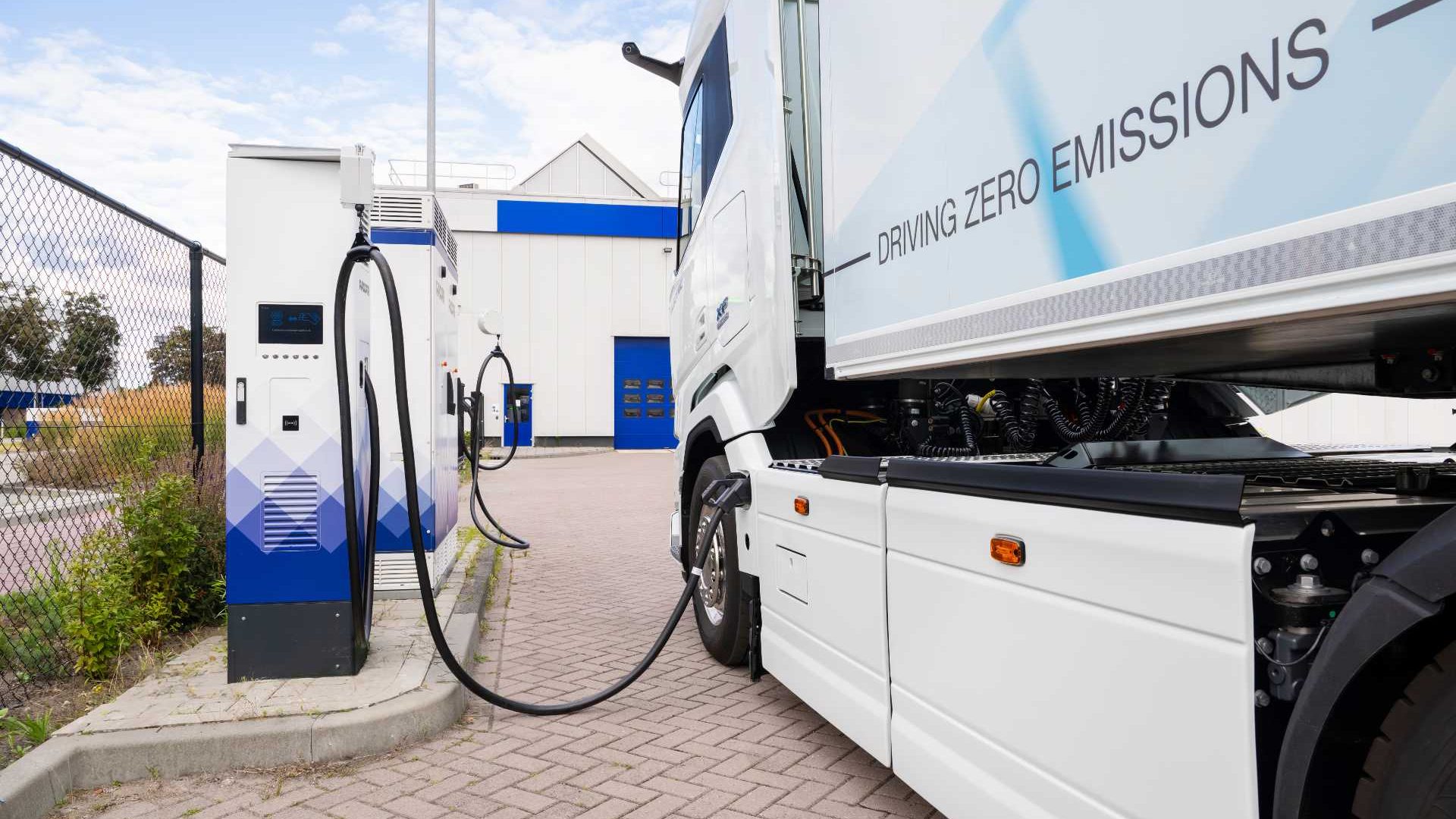
Infrastructure is central to the manufacturers’ case. ACEA says fewer than 2,000 public charging points suitable for trucks are currently available across Europe, while at least 700 additional truck chargers would need to be installed every month.
The association also counts fewer than a dozen operational hydrogen refuelling stations suitable for heavy-duty vehicles, while noting that even these face operational constraints.
Grid connections are another concern. New depot and public charging sites can require several years to obtain the necessary connection, potentially delaying projects even where fleet operators and charging companies are ready to invest.
ACEA also points to the limited implementation of CO₂-based road tolls, currently effectively applied in only four member states, and to the delayed revision of European weights and dimensions rules, which is intended in part to address the payload disadvantage of zero-emission trucks.
Manufacturers warn of potential penalties
The issue is particularly sensitive for manufacturers because failure to comply with the EU targets can result in financial penalties.
ACEA argues that manufacturers could therefore face substantial fines even when slower zero-emission vehicle uptake is partly determined by factors outside their direct control, such as infrastructure availability, electricity prices and fleet economics.

“Investments have been made, and a broad range of zero-emission vehicles is available today,” said Karin Rådström, CEO of Daimler Truck and Chair of ACEA’s Commercial Vehicle Board. She argued that their economic viability also depends on an ecosystem that is currently lagging behind.
The industry’s request comes as the EU has already introduced some additional flexibility into the heavy-duty CO₂ framework. An amendment adopted earlier this year changed the way manufacturers can generate emission credits during the 2025-2029 period, but ACEA says this does not resolve the broader challenge surrounding the much more demanding 2030 target.