

Hydrogen mobility, Stellantis to acquire 33,3% stake in Symbio partnership with Faurecia and Michelin
According to Stellantis, the announcement is a significant step in the decarbonization of the mobility industry and illustrates Symbio’s technological excellence in hydrogen fuel cell innovations.
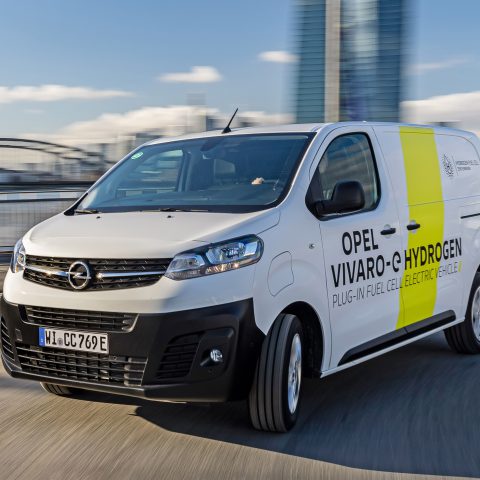
Stellantis makes a further move towards the development of hydrogen mobility. The group has just announced the acquisition of 33,3% stake in Symbio partnership with Faurecia and Michelin (here’s some info about Symbio). According to Stellantis, the announcement is a significant step in the decarbonization of the mobility industry and illustrates Symbio’s technological excellence in hydrogen fuel cell innovations.
Symbio plans to produce 50,000 fuel cells per year by 2025, leveraging its Saint-Fons state-of-the-art gigafactory, which will start production in the second half of 2023. In 2022, Symbio announced the implementation of its HyMotive project aimed at accelerating its industrialization and the development of disruptive innovations, a project that will enable the company to reach a total annual production capacity in France of 100,000 systems by 2028 with the creation of 1,000 jobs in France.
Carlos Tavares (Stellantis) on hydrogen mobility
“Acquiring an equal stake in Symbio will bolster our leadership position in hydrogen-powered vehicles by supporting our fuel cell van production in France, and it also serves as a perfect complement to our growing battery electric vehicle portfolio,” said Carlos Tavares, Stellantis CEO. “As we push our Dare Forward 2030 plan forward and move to become carbon net zero by 2038, we are considering every technological tool at our fingertips to fight global warming. Hydrogen fuel cells are necessary, and Symbio will become a significant player in the battle to protect future generations.”