

Long Beach Container Terminal to invest in sustainability: new electric trucks and buses awaited
Long Beach Container Terminal has received a $34.9 million Federal Highway Administration grant to replace more than 150 vehicles at its state-of-the-art cargo handling facility with zero-emission electric trucks and buses as well as to build the supporting charging infrastructure on site.
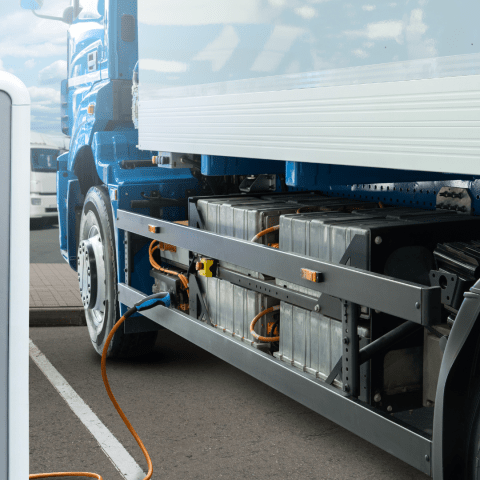
Long Beach Container Terminal has received a $34.9 million Federal Highway Administration grant to replace more than 150 vehicles at its state-of-the-art cargo handling facility with zero-emission electric trucks and buses as well as to build the supporting charging infrastructure on site.
The grant, secured with the help of Long Beach Congressman Robert Garcia, continues LBCT’s multi-billion-dollar investment in advanced zero-emission technologies, innovative cargo-handling efficiencies, and carbon-slashing strategies that makes it one of the nation’s busiest – and greenest – terminal facilities.
Long Beach Container Terminal: investments supported by huge grant
The grant was provided through the Reduction of Truck Emissions at Port Facilities program under President Biden’s Bipartisan Infrastructure Law. Matched with LBCT’s own funding, the monies will be directed at the $44 million LBCT Electrification Advancement Project (LEAP). Among other benefits, the project will reduce emissions by replacing 155 on-terminal trucks and buses with zero-emission technologies.
“Our vehicle electrification project, coupled with previous investments, enables LBCT to achieve a unique status that is reframing the way the world views sustainable goods movement, enhancing community quality of life, and climate change,” said Anthony Otto, LBCT CEO. “LBCT is grateful for the support and leadership of Congressman Garcia in securing this grant. We continue our path to Net Zero in a truly collaborative approach with our workers, the community, our elected officials and our shipping customers and partners.”