

XPO to purchase 100 Renault Trucks 16-ton and 19-ton electric trucks by 2024
XPO has finalised orders for 65 electric trucks to date, with all 100 trucks being delivered from fourth quarter 2022 to 2024. The 16-tonne and 19-tonne commercial vehicles will be based at 28 XPO less-than-truckload (LTL) sites in France, and will be used to transport palletized goods as partial loads.
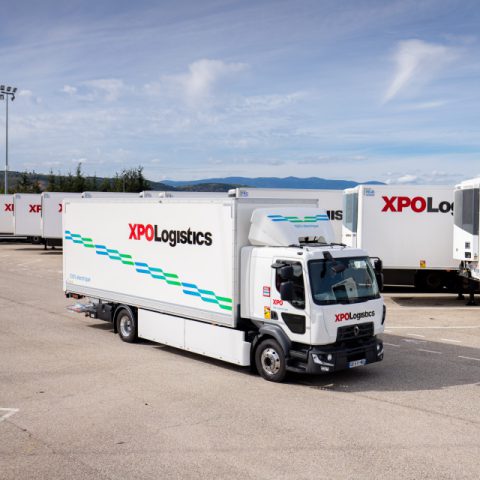
XPO, a pioneer in alternative-power freight transportation in France, will purchase 100 Renault Trucks 16-ton and 19-ton electric trucks by 2024. XPO’s investment follows the company’s testing of the all-electric Renault Trucks E-Tech D 16-tonne truck in the Lyon and Paris regions since October 2021.
All 100 Renault Trucks electric vehicles to be delivered by 2024
XPO has finalised orders for 65 electric trucks to date, with all 100 trucks being delivered from fourth quarter 2022 to 2024. The 16-tonne and 19-tonne commercial vehicles will be based at 28 XPO less-than-truckload (LTL) sites in France, and will be used to transport palletized goods as partial loads. The company expects to be making about 25% of its deliveries with electric vehicles by 2030.
Renault Trucks E-Tech trucks have a loading capacity of 18 to 21 pallets and are equipped with a 185 kW engine. With a range of up to 250 km on a single charge, each truck reduces CO2 by an estimated 45.7t per year, compared with trucks running on diesel fuel. The vehicles operate without direct CO2 emissions and significantly reduce noise and odour pollution.