
SOS-VECTO. Kögel is worried about the fines and shows it up with the trailers
In a few words, Kögel states, the required reduction targets cannot be achieved with currently available technology. Under the current regulations, potential fines may reach up to 64 million euros. It means, "the price of semi-trailers could increase by as much as 50 per cent". Also, Kögel warns that "around 1,000 jobs are at risk", with about 70,000 jobs at risk in the entire European semi-trailer industry.
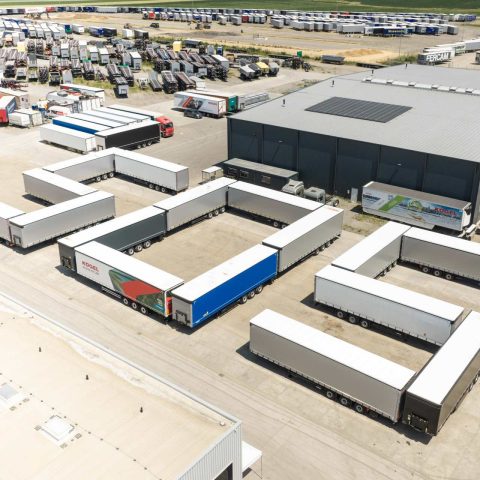
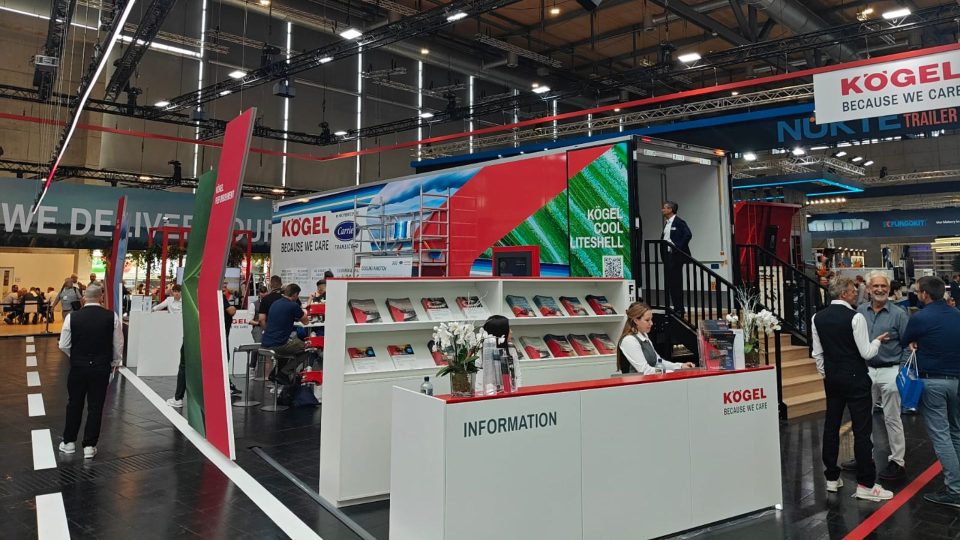
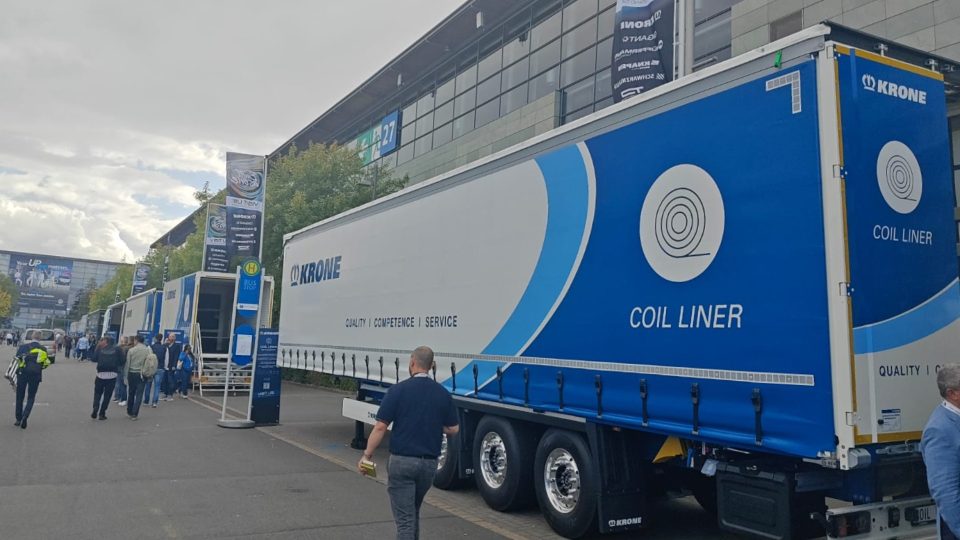
With a spectacular ‘SOS’ written with the trailers (see the image), Kögel has clearly showed the company’s worries about the incoming consequences of the VECTO regulation on the transport industry. Bavaria’s Deputy Minister-President, Huber Aiwanger, attended the event, in turn showing support for technically achievable CO₂ targets “to safeguard jobs, industrial value creation, and Germany’s competitiveness as a business location”.
VECTO (Vehicle Energy Consumption Calculation Tool) is a European Union calculation model that assigns a calculated CO₂ value to semi-trailers. The legal basis is Regulation (EU) 2024/1610, which requires manufacturers to reduce this simulated value for semi-trailers by 10 percent by 2030.
The VECTO regulation for trailer makers in Europe
However, Kögel points out that semi-trailers have no propulsion system of their own and therefore generate no direct CO₂ emissions. Indeed, the assessment is based on simulation data rather than emissions measured under real operating conditions. According to manufacturers, the methodology does not sufficiently reflect physical limitations or the realities of day-to-day transport operations.
In a few words, Kögel states, the required reduction targets cannot be achieved with currently available technology. Under the current regulations, potential fines may reach up to 64 million euros. It means, “the price of semi-trailers could increase by as much as 50 per cent”. Also, Kögel warns that “around 1,000 jobs are at risk”, with about 70,000 jobs at risk in the entire European semi-trailer industry.
Currently, eight European trailer manufacturers have filed a legal challenge against the regulation and are seeking a revision of its current provision. The legal action is not directed against climate protection itself, but against requirements that the companies consider technically unworkable and economically dispropotionate.
“We have already achieved significant progress in this area,” said Markus Siegner, CEO of Kögel Trailer. “Our durable, lightweight vehicles have been helping to reduce fuel consumption and CO₂ emissions for many years. The current VECTO regulation does not adequately reflect the realities of the transport industry and places companies such as Kögel under enormous pressure. We need pragmatic solutions that combine climate protection with industrial competitiveness.”