

ZF heads to IAA 2026 with a software-driven approach to commercial vehicles
Ahead of IAA Transportation 2026, ZF will showcase a portfolio spanning safety, electrified drivetrains and software-defined vehicle technologies. Rather than focusing on disruptive innovation, the supplier is promoting a step-by-step approach that helps OEMs and fleets improve safety, efficiency and uptime while protecting existing investments. The new transmission TraXon 2 Hybrid will be one of the main highlights in Hannover.
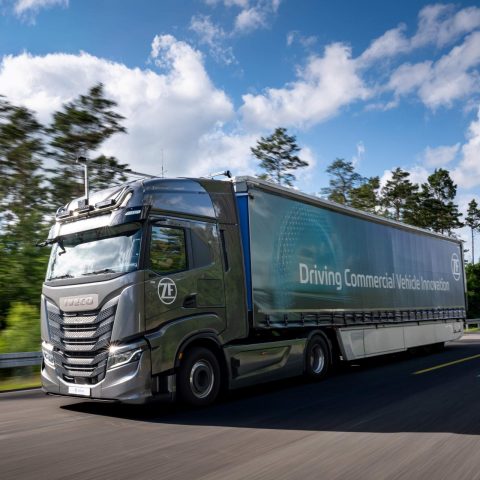
ZF will use IAA Transportation 2026 to present what it describes as a practical roadmap towards the next generation of commercial vehicles. At its stand in Hall 21, the German technology group will showcase solutions combining safety systems, electrified drivetrains, chassis technologies and software capabilities, all designed to support OEMs and fleet operators as the industry gradually moves towards software-defined commercial vehicles.
Rather than advocating a disruptive shift, ZF argues that the transition will happen at different speeds depending on vehicle applications, customer requirements and regional regulations. Its strategy therefore focuses on scalable platforms and flexible E/E architectures that deliver immediate operational benefits while remaining compatible with future software-driven vehicle concepts.
Safety, software and electrification under one strategy
At IAA, ZF will demonstrate how technologies that are already available today can serve as building blocks for future commercial vehicles. The company is bringing together advanced driver assistance systems, braking, steering, suspension and electrified drivetrains into integrated vehicle architectures capable of improving safety, efficiency and total cost of ownership throughout the vehicle lifecycle.
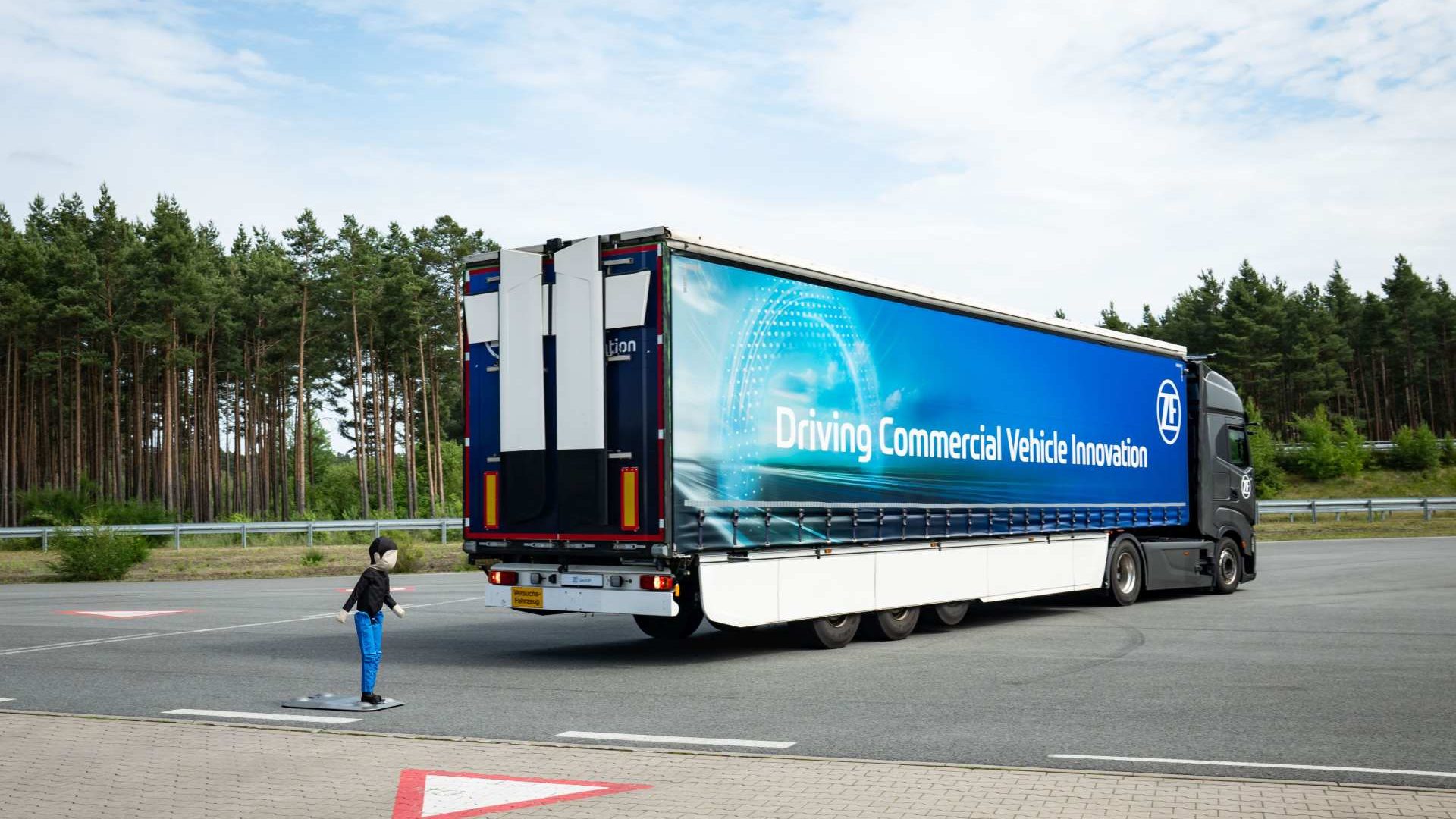
Among the highlights will be ZF’s 360° safety ecosystem, which combines radar and camera sensors across both truck and trailer to reduce blind spots and improve manoeuvring safety. The company will also present software-enabled functions for yard operations, connected vehicle services and digital system integration, alongside its latest electric and hybrid propulsion technologies for trucks and buses.
From components to integrated vehicle intelligence
Beyond the individual products, ZF’s presence at IAA reflects a broader shift in the supplier’s strategy. Increasingly, the company is positioning itself as a provider of integrated vehicle intelligence, where software, electronics and mechanical systems work together to continuously improve vehicle performance throughout its operating life. According to ZF, this evolutionary approach allows manufacturers and fleet operators to adopt new technologies progressively instead of replacing entire vehicle platforms.
The technologies on display will therefore span today’s production-ready solutions as well as systems designed to support future software-defined commercial vehicles. By combining scalable architectures with upgradeable software functions, ZF aims to help the industry improve safety, operational efficiency and uptime while preparing for higher levels of automation and electrification.
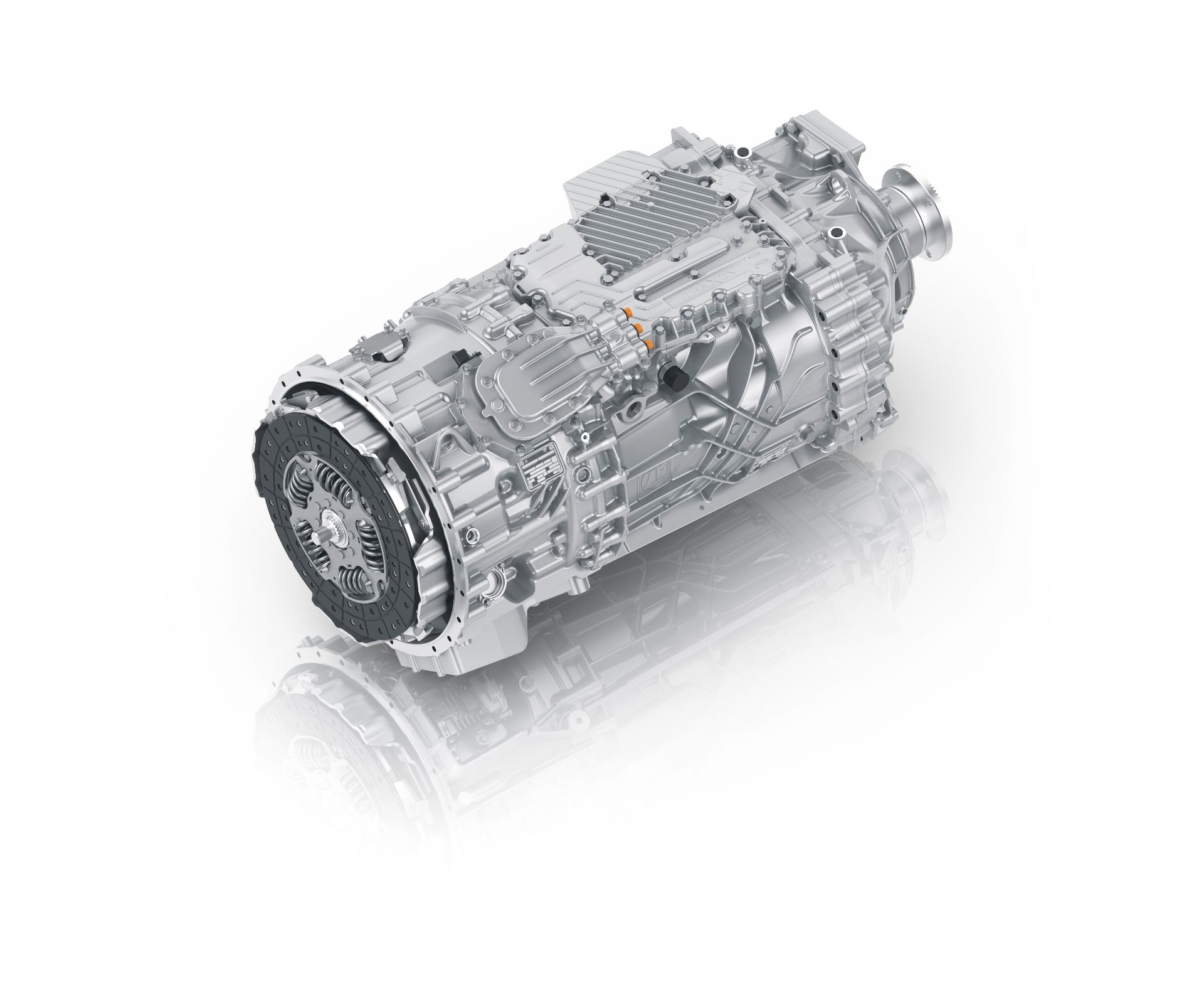
TraXon 2 Hybrid remains one of ZF’s key technologies
One of the highlights at ZF’s IAA stand will be the TraXon 2 Hybrid (read our in-depth analysis of the TraXon 2 Hybrid here), the electrified version of the company’s well-established automated manual transmission for heavy-duty trucks. First unveiled earlier this year, the system has been developed as a bridge technology for fleets that need to reduce CO₂ emissions without moving directly to battery-electric vehicles. Built on the production TraXon 2 platform, it is available in both full-hybrid and plug-in hybrid configurations, enabling electric driving in urban areas while retaining the operational flexibility and range of conventional diesel trucks.
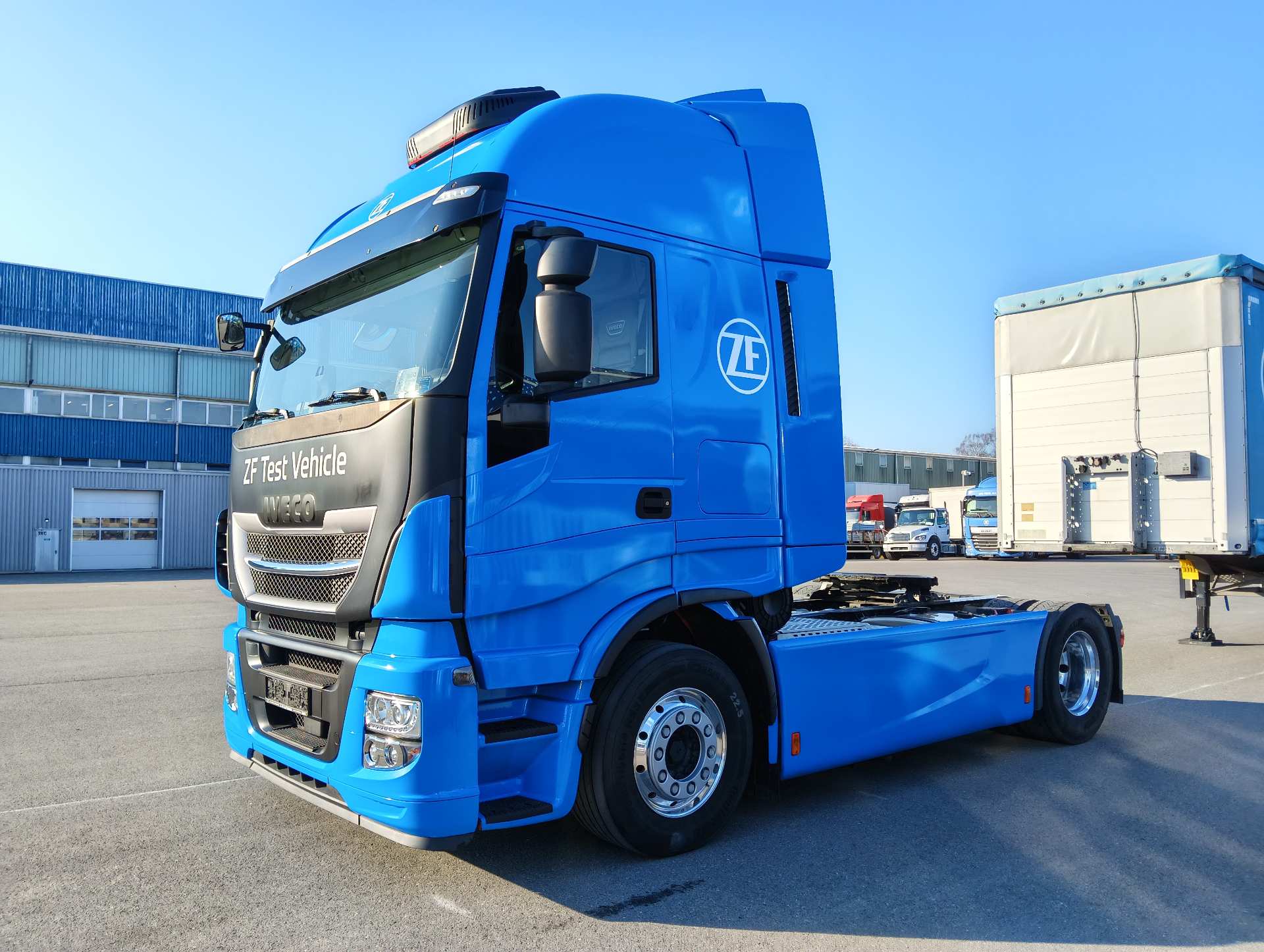
According to ZF, the transmission can reduce CO₂ emissions by up to 47% in long-haul transport and by up to 73% in distribution operations, based on VECTO calculations. The company also expects a payback period of less than two years compared with a conventional diesel driveline, making TraXon 2 Hybrid a pragmatic solution for operators facing increasingly stringent emissions targets but limited charging infrastructure.