
Daimler Truck, Volvo, Toyota and energy companies join forces to scale hydrogen trucking
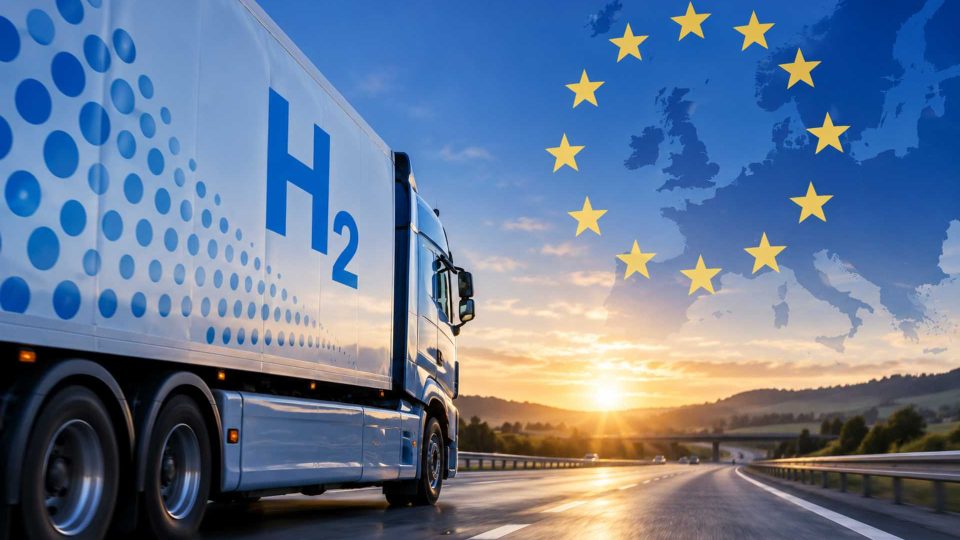
Some of the biggest names in the truck, automotive, energy and technology industries are joining forces to accelerate hydrogen-powered heavy-duty transport in Europe. The initiative will focus on coordinating vehicles, refuelling infrastructure and hydrogen supply, with further details to be unveiled at IAA Transportation 2026.
A group of major truck, automotive, technology and energy companies has joined forces to accelerate the deployment of hydrogen-powered heavy-duty transport in Europe, with Germany set to become the starting point for a more integrated hydrogen mobility ecosystem.
The initiative brings together Daimler Truck, Volvo Group, Toyota Motor Corporation, Bosch, Air Liquide, TotalEnergies, TEAL Mobility and MB Energy, with additional companies expected to participate and German policymakers also involved. The partners aim to coordinate the different parts of the hydrogen value chain rather than developing vehicles, infrastructure and fuel supply independently.
Hydrogen trucks, infrastructure and fuel supply to develop together
The project will focus on three elements considered essential to make hydrogen trucks commercially viable: competitive vehicles, strategically located refuelling infrastructure and hydrogen availability at sustainable prices.
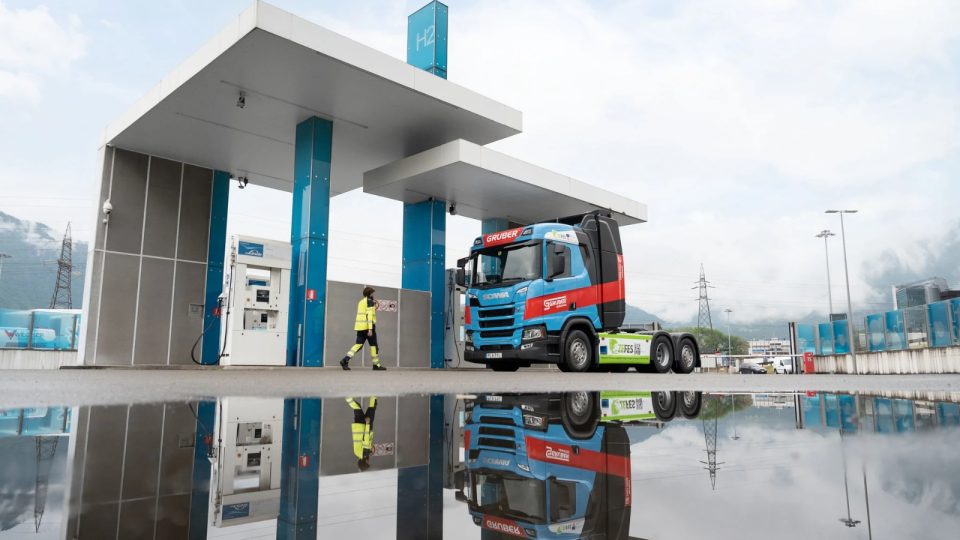
Hydrogen refuelling stations are expected to be deployed along key European transport corridors in coordination with the introduction of hydrogen-powered truck fleets. According to the companies, synchronising vehicle deployment with infrastructure and fuel supply will be crucial to achieving a competitive total cost of ownership for operators.
The target is to create the conditions for hydrogen trucking to scale by 2030, complementing battery-electric solutions particularly in heavy-duty transport applications.
The announcement comes as several of the companies involved are strengthening their fuel-cell activities. Daimler Truck and Volvo Group already jointly own cellcentric, while Toyota announced earlier this year its intention to join the fuel-cell joint venture as an equal shareholder, subject to the relevant agreements and approvals.
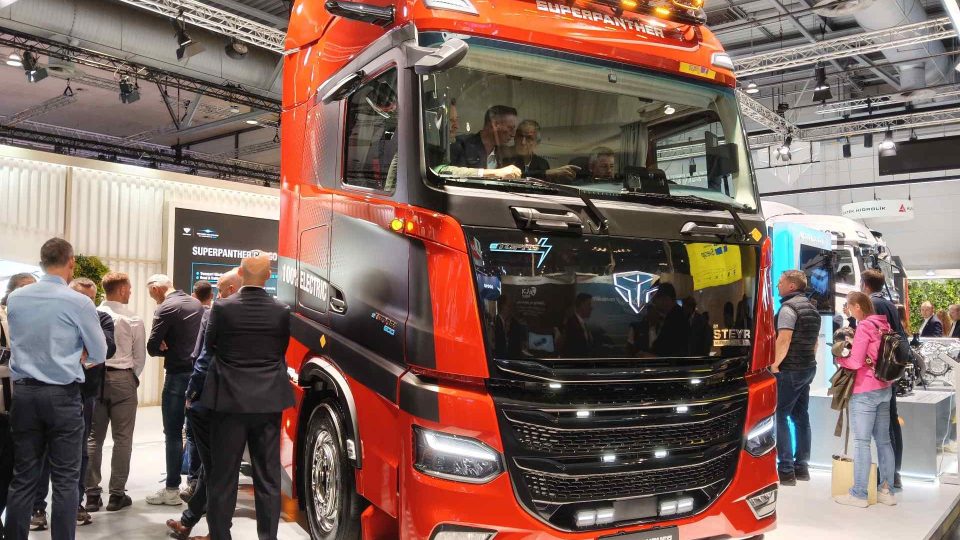
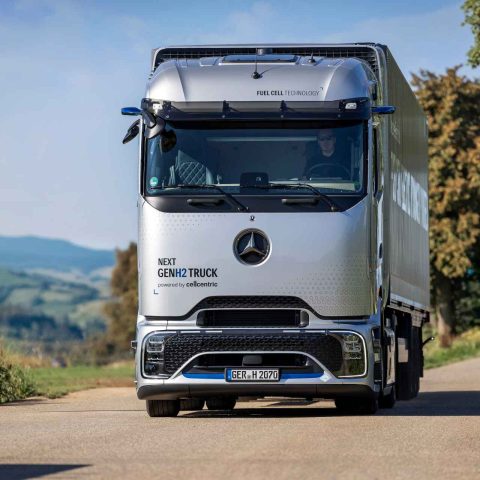
For Daimler Truck, the infrastructure question is becoming increasingly relevant as it prepares to put around 100 Mercedes-Benz NextGenH2 Trucks into customer operation from the end of 2026, with Dachser set to become the first logistics operator to deploy the new liquid-hydrogen truck.
Further details about the new industry initiative will be presented by the companies’ CEOs at IAA Transportation in Hannover on September 15.