
Scania and Toyota join forces to test 40 hydrogen fuel cell trucks
Scania and Toyota have announced a major hydrogen partnership that will put 40 fuel cell heavy-duty vehicles into real-world operations. Toyota will supply its latest third-generation, 300 kW fuel cell systems for trucks operated within Scania's Pilot Partner programme, with the first vehicles expected on the road in early 2027.
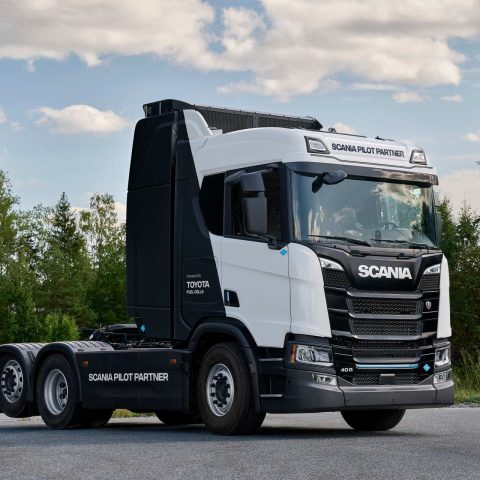
Scania and Toyota are joining forces to evaluate hydrogen fuel cell technology in real-world heavy-duty transport, with 40 Scania vehicles set to be equipped with Toyota’s latest fuel cell systems.
Under the partnership, Toyota will supply its third-generation fuel cell system, delivering 300 kW and designed for heavy-duty and other demanding applications. The technology will be integrated into vehicles operating within Scania’s Pilot Partner programme, which involves selected customers testing new transport technologies in everyday operations.
The first Scania hydrogen fuel cell electric trucks are expected to enter operation during the first quarter of 2027.
The programme will allow the two companies to collect operational data and assess not only technical performance but also efficiency and total cost of ownership, providing a clearer indication of where fuel cell trucks could make sense alongside battery-electric solutions.
Toyota fuel cells meet Scania trucks
The collaboration brings together two companies approaching hydrogen from different directions. Scania will provide the vehicle platform and its experience with heavy-duty customers and applications, while Toyota will contribute a fuel cell technology it has been developing across several generations and applications.
Toyota’s new third-generation system is particularly significant. The company had previously announced that its next fuel cell generation would enter commercialisation in 2026, targeting greater power density, longer durability and substantially lower costs compared with the previous technology.
For Scania, meanwhile, hydrogen remains one of several technologies being evaluated rather than the centrepiece of its decarbonisation strategy. The Pilot Partner approach allows the manufacturer to test technologies outside its mainstream portfolio with selected customers before determining their potential in specific applications.
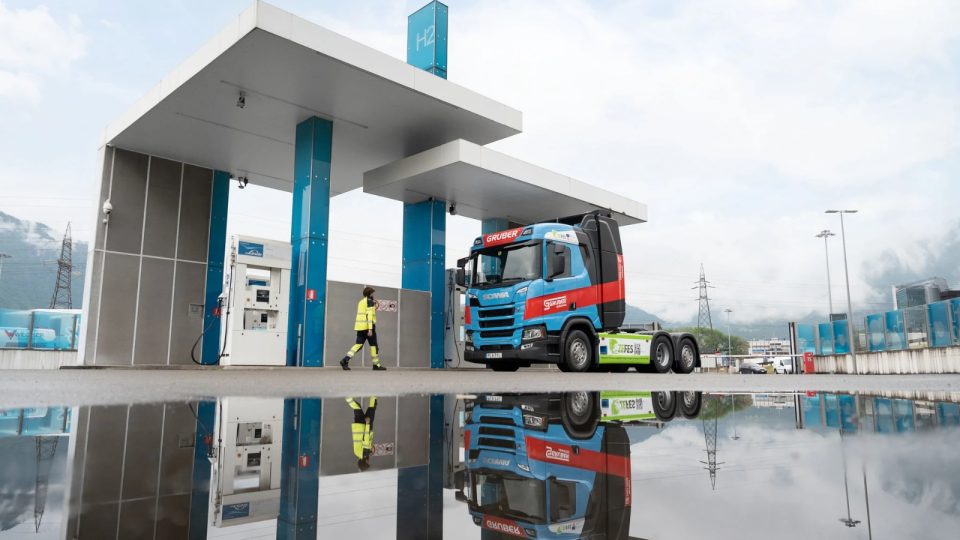
Scania has already been putting fuel cell technology through real-world evaluation: a hydrogen fuel cell tractor was among the vehicles presented by the manufacturer in Italy at Transpotec earlier this year.
Hydrogen for demanding heavy-duty operations
The new programme will focus specifically on applications where the characteristics of hydrogen could prove valuable.
“We believe heavy-duty transport is key to building hydrogen demand and infrastructure,” said Hiroki Nakajima, Executive Vice President of Toyota Motor Corporation, pointing in particular to operations requiring long range and high vehicle utilisation.
Sara Forsberg, Chief Technology Officer at Scania, stressed the experimental nature of the programme, saying that operating the technology with customers will provide insights into both the opportunities and challenges associated with hydrogen fuel cells in heavy-duty transport.
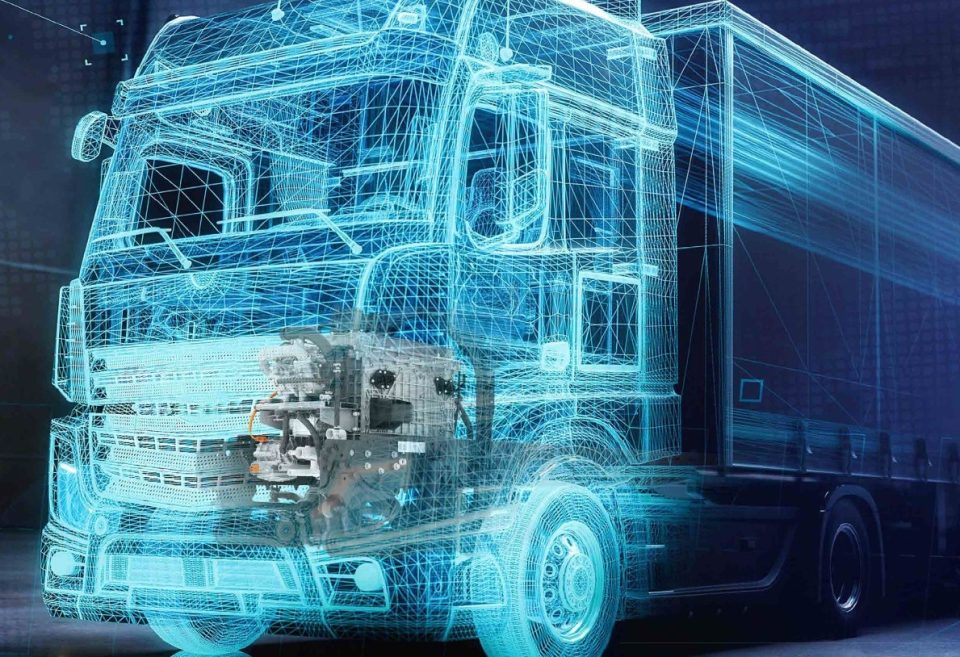
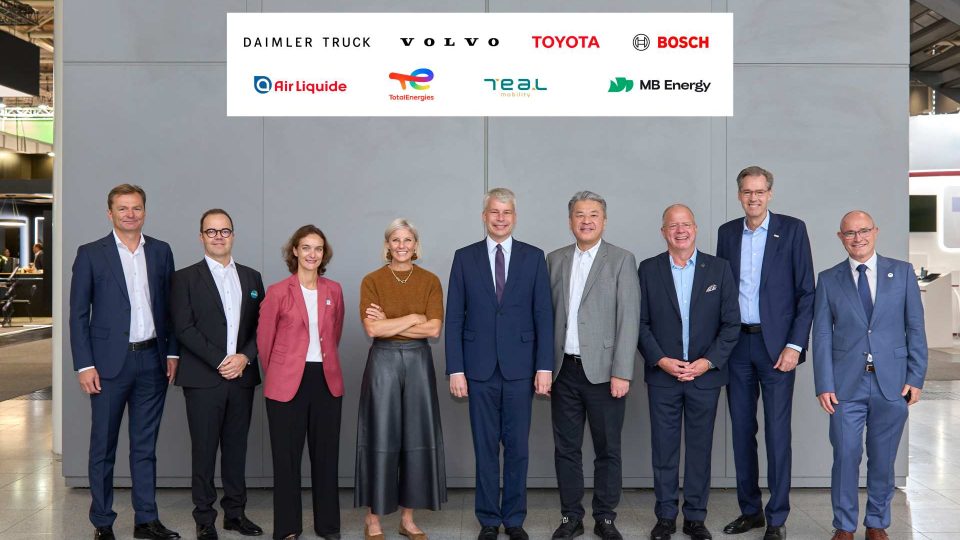
The announcement also comes as Toyota steps up its involvement in Europe’s emerging heavy-duty hydrogen ecosystem. In July, the Japanese manufacturer signed a binding agreement to become an equal shareholder in cellcentric, the fuel cell joint venture currently owned by Daimler Truck and Volvo Group. Toyota is also among the companies involved in a broader initiative, announced last week, aimed at coordinating hydrogen trucks, fuel supply and refuelling infrastructure in Europe.
More details on the Scania collaboration are expected during Toyota’s IAA Transportation press conference on September 14.