
Volvo electric test truck managed to run 500,000 km in two years
The test truck runs seven days a week between the cities of Helsingborg and Gothenburg in southern Sweden, which is a one-way distance of 240 km. The truck drives close to 1,000 km a day for six days, stopping to recharge its batteries four times during that time. On day seven, the truck drives for half the day and then has its batteries recharged for the rest of the time.
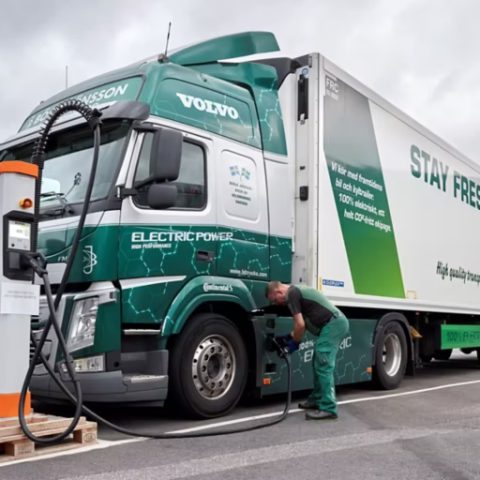
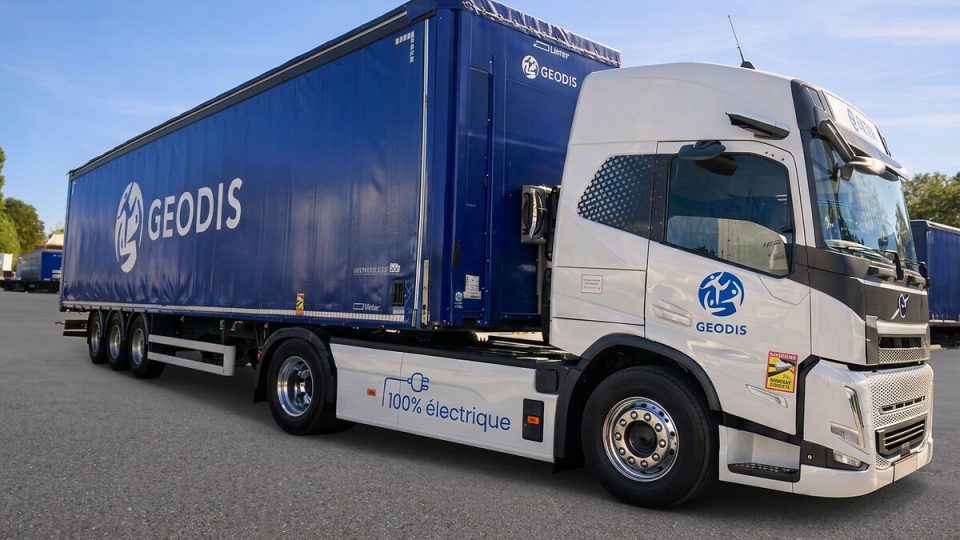
In the framework of a cooperation between Volvo Trucks and Designwerk Technologies, a heavy-duty Volvo test truck managed to run 500,000 km in two years. The electric test truck was put into commercial operation in September 2021 at Börje Jönsson Group, headquartered in Helsingborg in Sweden.
Volvo electric test truck in Sweden
The test truck runs seven days a week between the cities of Helsingborg and Gothenburg in southern Sweden, which is a one-way distance of 240 km. The truck drives close to 1,000 km a day for six days, stopping to recharge its batteries four times during that time. On day seven, the truck drives for half the day and then has its batteries recharged for the rest of the time.
“500,000 km in only two years is an amazing achievement for this electric truck. It shows that it will be possible to electrify very intense and demanding heavy transports. This is an innovation project, where we are making valuable learnings around, for example, battery performance. These learnings will eventually also benefit our series-produced trucks”, said Jessica Sandström, SVP Global Product Management at Volvo Trucks.