

Volvo Trucks lands record order for 500 LNG-powered FH Aero trucks
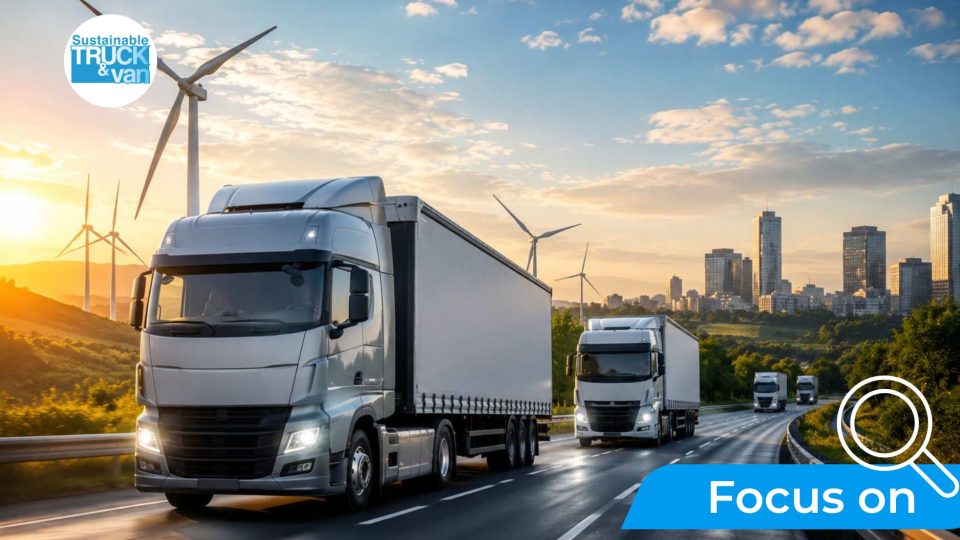
Reinert Logistics has ordered 500 gas-powered Volvo FH Aero trucks, marking the largest order Volvo Trucks has ever received for its LNG-powered range. Deliveries will begin in 2027, following the German logistics company's experience with an initial fleet of 50 gas-powered Volvo trucks.
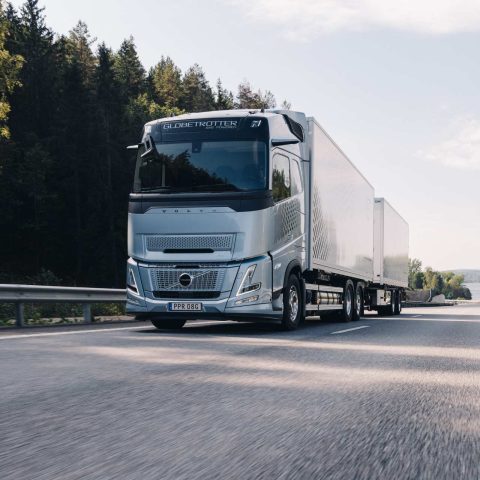
Volvo Trucks has received its largest-ever order for gas-powered trucks, with German transport company Reinert Logistics purchasing 500 Volvo FH Aero tractors.
The agreement was signed during IAA Transportation 2026 in Hannover, with deliveries scheduled to begin in 2027. The order follows Reinert’s experience operating an initial fleet of 50 Volvo gas-powered trucks, with the company citing both day-to-day operating results and fuel prices among the factors behind its decision to expand the fleet.
Reinert plans to operate the trucks using bio-LNG, produced from feedstocks such as manure, organic waste and other biogenic residues.
“We recognized early on that bio-LNG was the right solution for us,” said company founder and owner René Reinert, adding that the experience accumulated in daily operations had strengthened the company’s decision to continue investing in the technology.
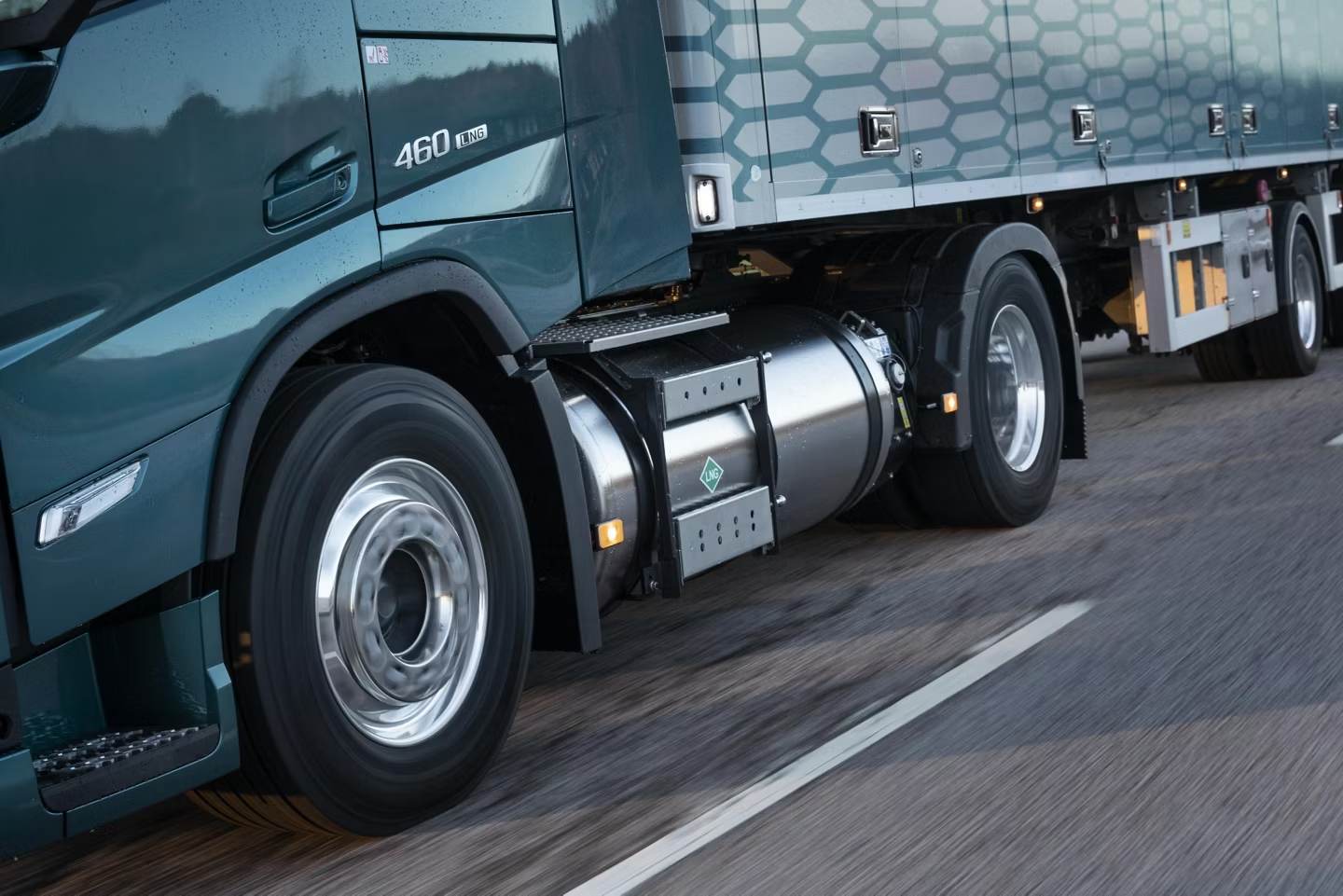
Volvo has delivered more than 10,000 gas-powered trucks
The record order comes as Volvo reports growing volumes for its gas-powered heavy-duty range. The manufacturer passed the milestone of 10,000 gas-powered trucks delivered globally earlier this year, after recording its highest-ever annual sales for the technology in 2025. Volvo now expects volumes to grow further in 2026.
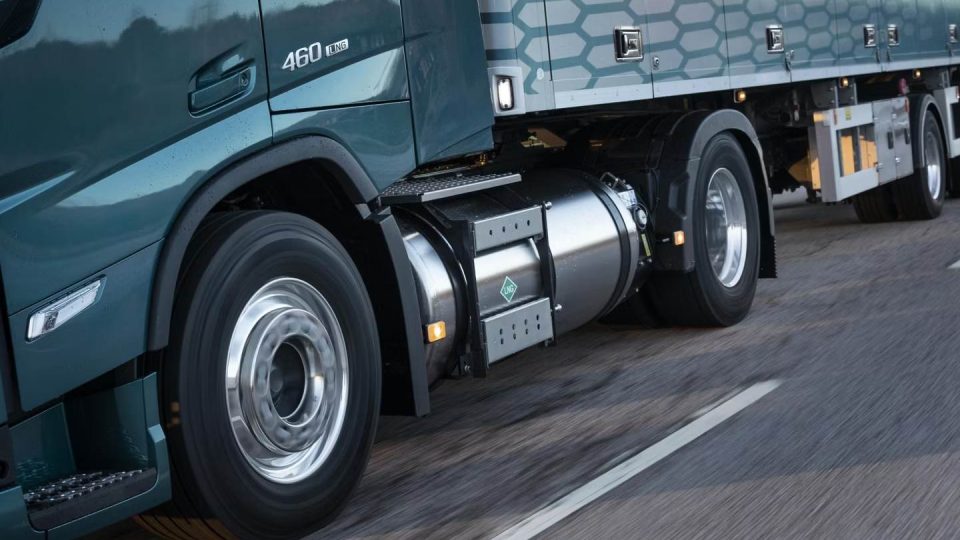
Volvo offers its gas engine in the FM, FH and FH Aero ranges. The trucks can operate on conventional fossil LNG or renewable bio-LNG and use High Pressure Direct Injection (HPDI) technology, with a small quantity of diesel used for ignition. Volvo says HVO can also be used as the ignition fuel.
Depending on operating conditions, the trucks can cover up to 1,000 kilometres on a single tank, allowing the technology to address long-haul as well as regional transport applications.
Germany is particularly relevant to Reinert’s decision. Citing figures from the German gas and hydrogen industry association, Volvo says bio-LNG represented around 98.5% of the fuel sold at German LNG filling stations in 2025.
When operated on bio-LNG, Volvo claims its trucks can achieve well-to-wheel CO₂ reductions of up to 100% compared with diesel, depending on the fuel pathway and with HVO used for ignition. This figure refers to lifecycle emissions rather than zero emissions at the vehicle’s tailpipe.
The gas-powered range remains one part of Volvo Trucks’ broader decarbonisation strategy, alongside battery-electric and fuel-cell electric vehicles and combustion engines running on renewable fuels.