
Windrose shifts its ‘centre of gravity’ to Europe, with Antwerp becoming its main global site
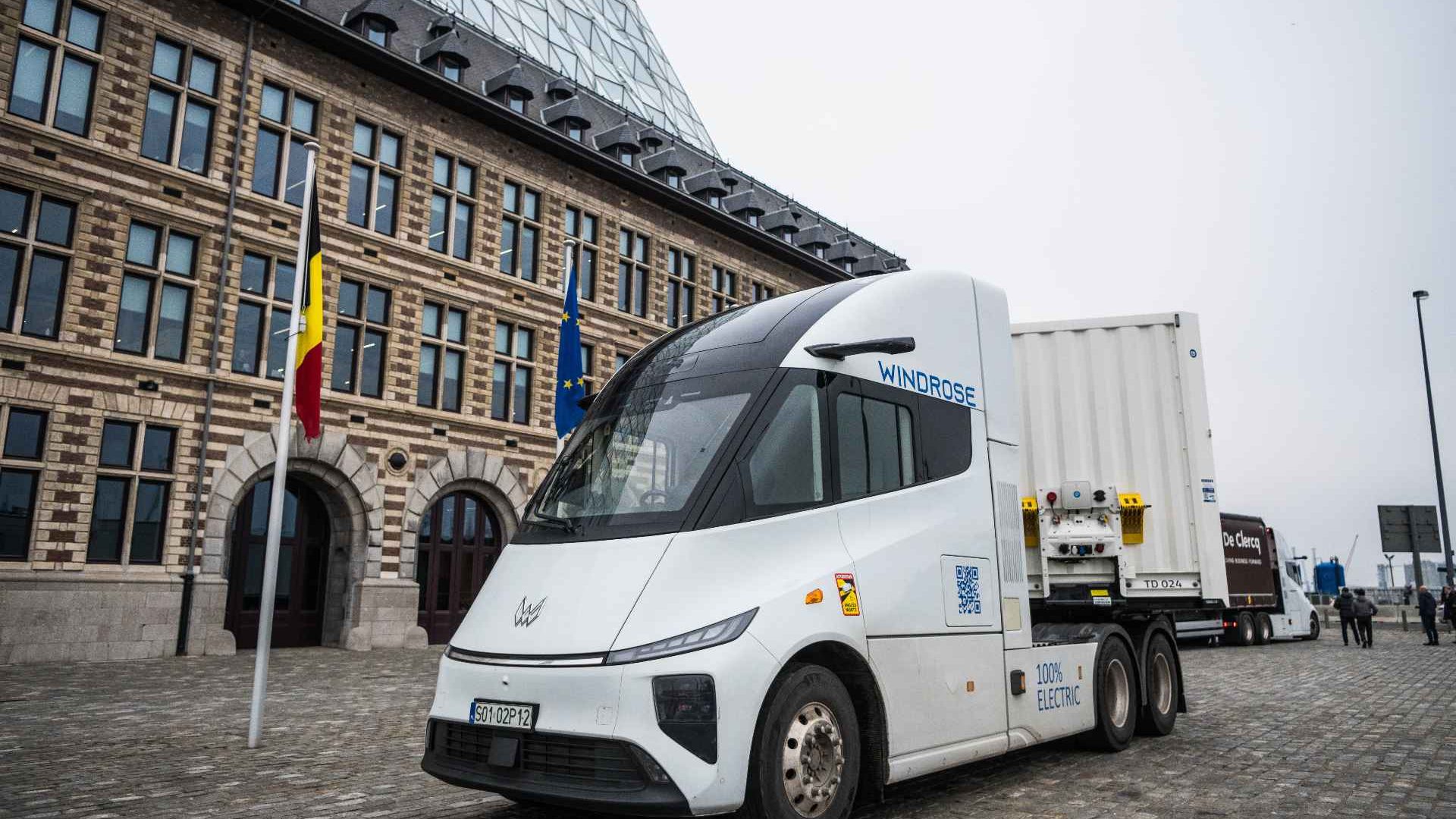
Chinese electric truck manufacturer Windrose is putting Europe at the centre of its global strategy. According to founder and CEO Wen Han, the company's Antwerp site will become its main hub for assembly, parts logistics and global R&D, while the UK is expected to become a second European hub.
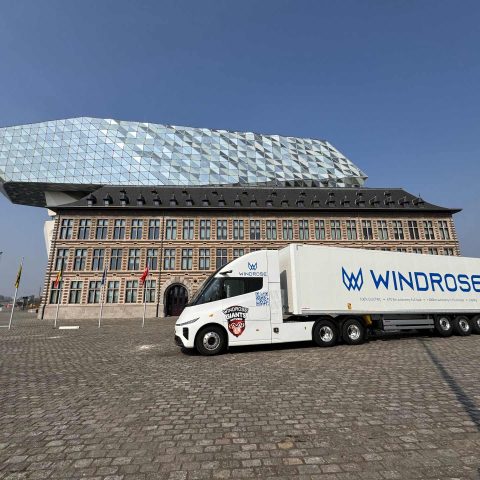
Chinese electric truck manufacturer Windrose is shifting its “centre of gravity” to Europe, according to founder and CEO Wen Han, who has outlined a significant reorganisation of the company’s international operations.
In a post published on LinkedIn, Han said Windrose Park Antwerp, located inside the Port of Antwerp-Bruges, is becoming the company’s main site, bringing together vehicle assembly, parts logistics and global R&D on a 79,060-square-metre plot with an existing 16,340-square-metre hall. Windrose also expects the UK to become its second hub, although Han did not provide further details on its location or timing.
The statement goes further than Windrose’s previous announcements concerning its European expansion. Earlier this year, the Port of Antwerp-Bruges confirmed that the Chinese manufacturer would establish its first European flagship site in Antwerp, where components shipped from Asia would be assembled into electric trucks for European customers. The project also includes R&D activities and could eventually create around 200 full-time jobs.
Windrose wants to run its technology and logistics from Europe
Han also outlined a broader change in Windrose’s corporate strategy. According to the CEO, the company wants local partners and investors to take larger positions in its Chinese and US businesses, allowing those operations to be managed closer to their respective customers. Windrose itself would increasingly concentrate on technology and logistics from Europe.
This makes the Antwerp investment more significant than a conventional European assembly operation. Windrose describes the Belgian location as the most important site in its network, with global R&D also set to operate from there.
Energy availability was one of the factors behind the choice. Han said Windrose deliberately selected the site partly because of its proximity to wind generation, arguing that obtaining sufficient grid capacity has become a major obstacle for new industrial projects in Europe.
According to Windrose, seven wind turbines are located within 1.5 km of the facility and twelve within 2 km, representing around 37.6 MW of installed capacity. The nearest turbine is approximately 460 metres from the hall. Electricity will be supplied directly from turbines operated by Vleemo within the port.
Battery storage, AI computing and truck charging
The Antwerp concept extends beyond truck assembly. Han said the facility will integrate Windrose Power, based on 20-foot battery storage containers rated at 2 MWh and 2 MW, allowing surplus wind generation to be stored and used when production falls below demand.
The company also plans to build its Windrose Compute containerised AI computing systems on the same line, reusing technologies developed for its trucks, including liquid cooling, high-voltage DC distribution and battery systems. Waste heat from the computing infrastructure is intended to contribute to heating the production hall.
Charging infrastructure is another part of the project. Han said Windrose is in discussions with ENGIE about developing a heavy-truck charging park at the site, which would be open to trucks from other manufacturers as well. Windrose’s current site plan indicates 72 truck charging bays are planned.
The project is being developed with several local partners: the land is operated under a concession from the Port of Antwerp-Bruges, Van Wellen Group is redeveloping the existing building and Vleemo provides the wind-generated electricity.
An unconventional approach to truck development
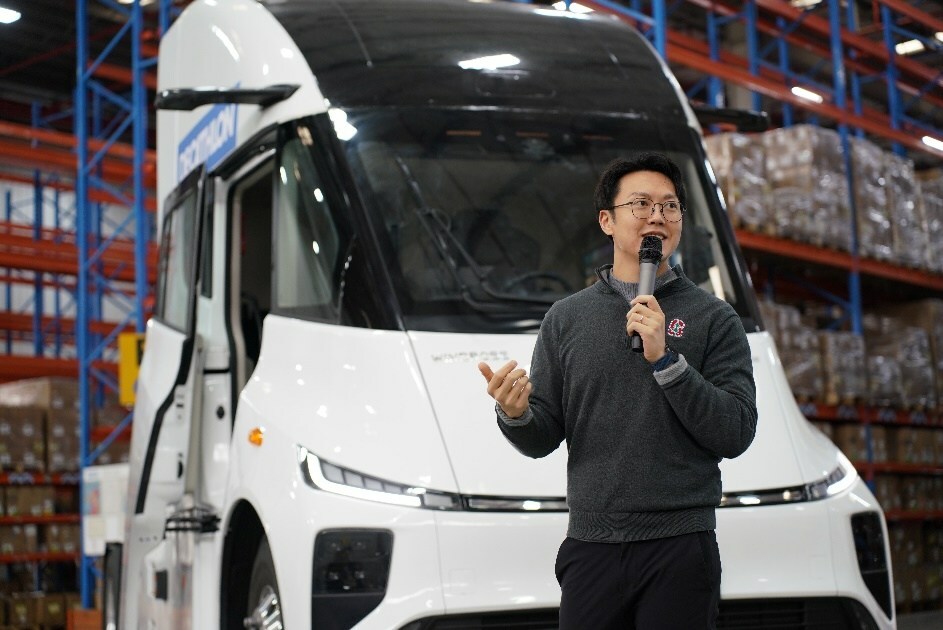
Han also used the post to describe Windrose’s approach to engineering. The company is looking to recruit what he called “AI-native” talent, including engineers without extensive experience in the traditional truck industry, alongside established commercial vehicle specialists.
Perhaps more unusually, the CEO said Windrose has open-sourced its entire hardware design. According to Han, making the designs publicly accessible should both allow other companies to use Windrose’s work and force its own engineering to remain manufacturable and serviceable.