

ACEA urges EU to remove regulatory barriers to zero-emission truck adoption
European truck manufacturers are calling on EU policymakers to address the operational and economic barriers slowing the transition to zero-emission transport. ACEA is particularly concerned about vehicle weight limits and the future of carbon pricing, as electric truck registrations remain far below the levels required to meet 2030 CO2 targets.

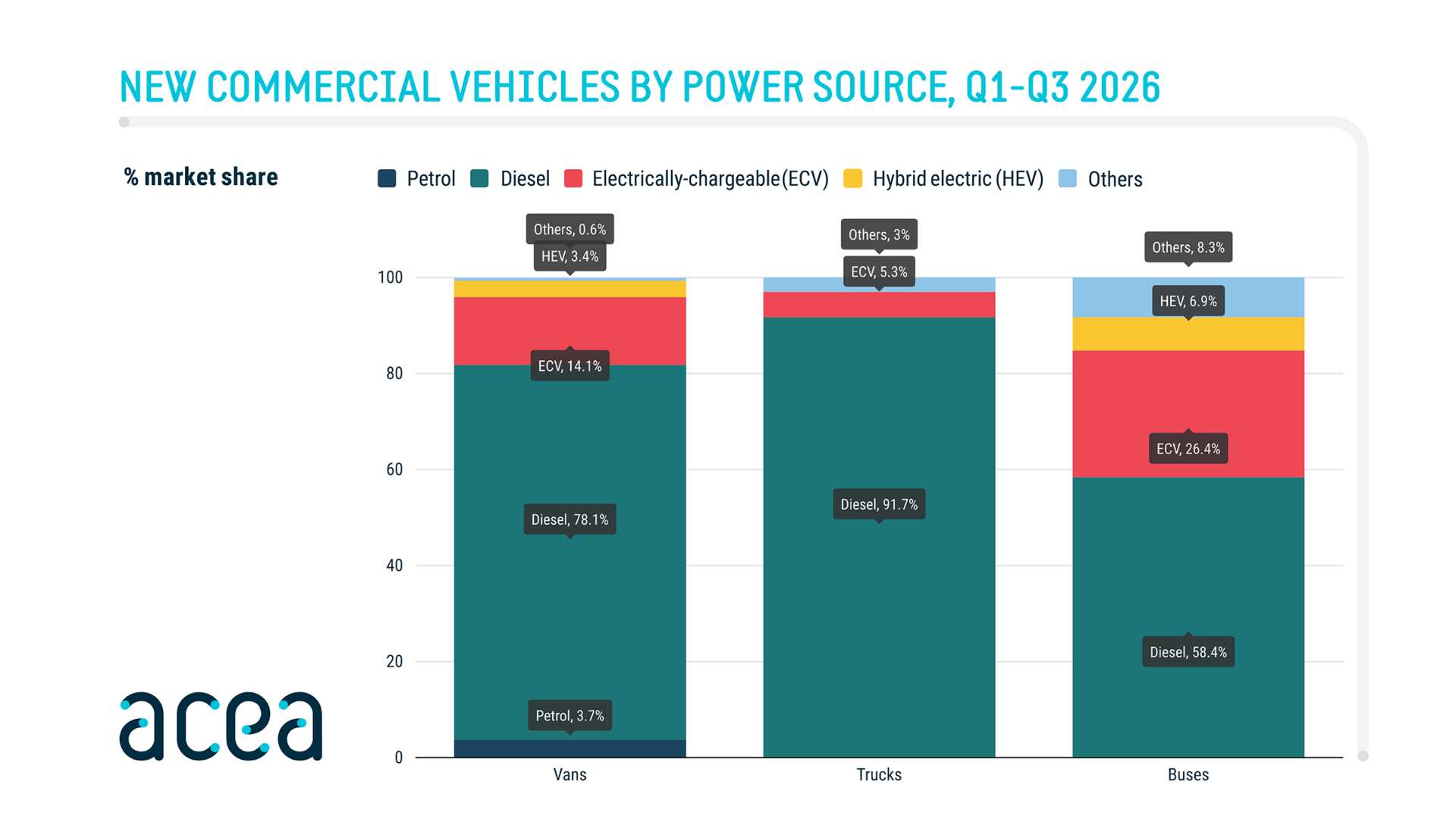
The European Automobile Manufacturers’ Association (ACEA) has renewed its call for urgent policy measures to support the transition towards zero-emission heavy-duty transport. In a statement released on November 19, the association warned that zero-emission trucks accounted for just 2.5% of new registrations in the segment above 16 tonnes during the first nine months of 2026, despite the growing availability of electric and hydrogen-powered models.
According to ACEA, European manufacturers currently offer more than 60 zero-emission truck models. However, market penetration varies considerably between countries. In the Netherlands and Sweden, approximately one in ten newly registered trucks is zero-emission, compared with fewer than one in 300 in Poland, Italy and Spain.
The latest statement follows the appeal issued by Europe’s leading truck manufacturers at IAA Transportation in September, when they called for a three-year adjustment to the 2030 CO2 compliance timeline, arguing that charging infrastructure, grid connections and other enabling conditions were developing too slowly.
Vehicle weights and dimensions: a critical issue for electric trucks
One of ACEA’s main concerns is the ongoing revision of the EU’s Weights and Dimensions Directive, which regulates the maximum permissible weights and dimensions of commercial vehicles.
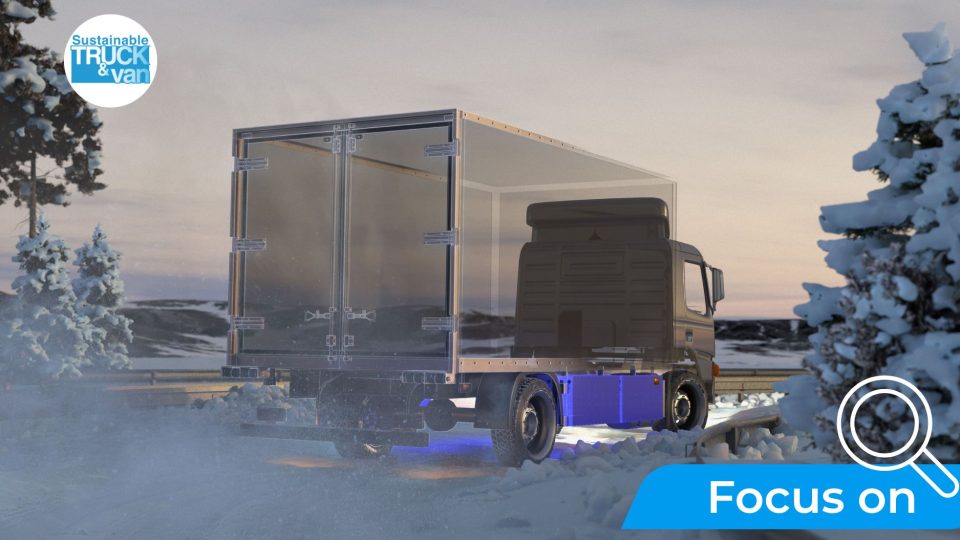
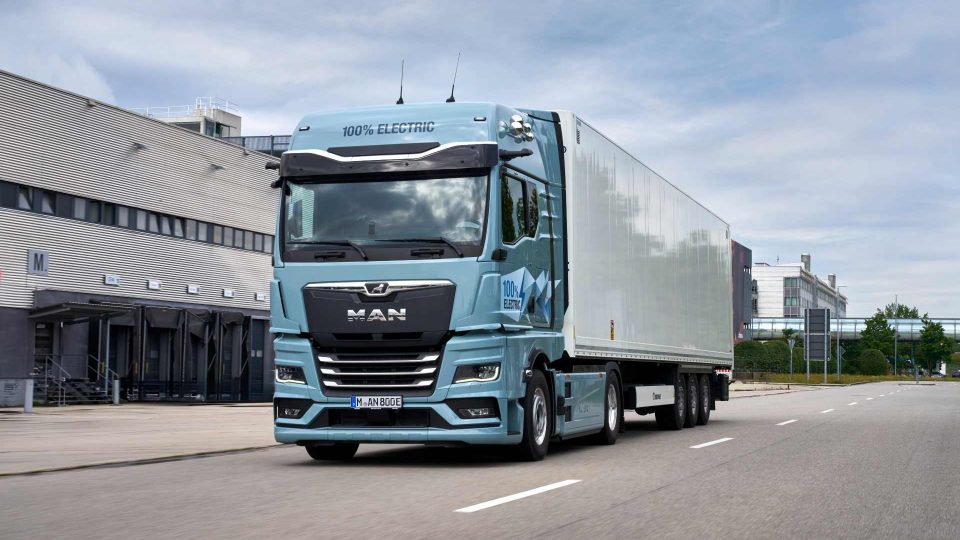
Electric trucks generally have a higher unladen weight than comparable diesel vehicles, mainly because of their batteries. As a result, payload capacity and the distribution of weight across individual axles can become limiting factors for transport operators.
ACEA argues that the compromise currently emerging from EU negotiations does not sufficiently address these disadvantages. The association is calling for higher permissible axle loads and total vehicle combination weights, particularly for widely used configurations such as 4×2 tractor units and five-axle combinations.
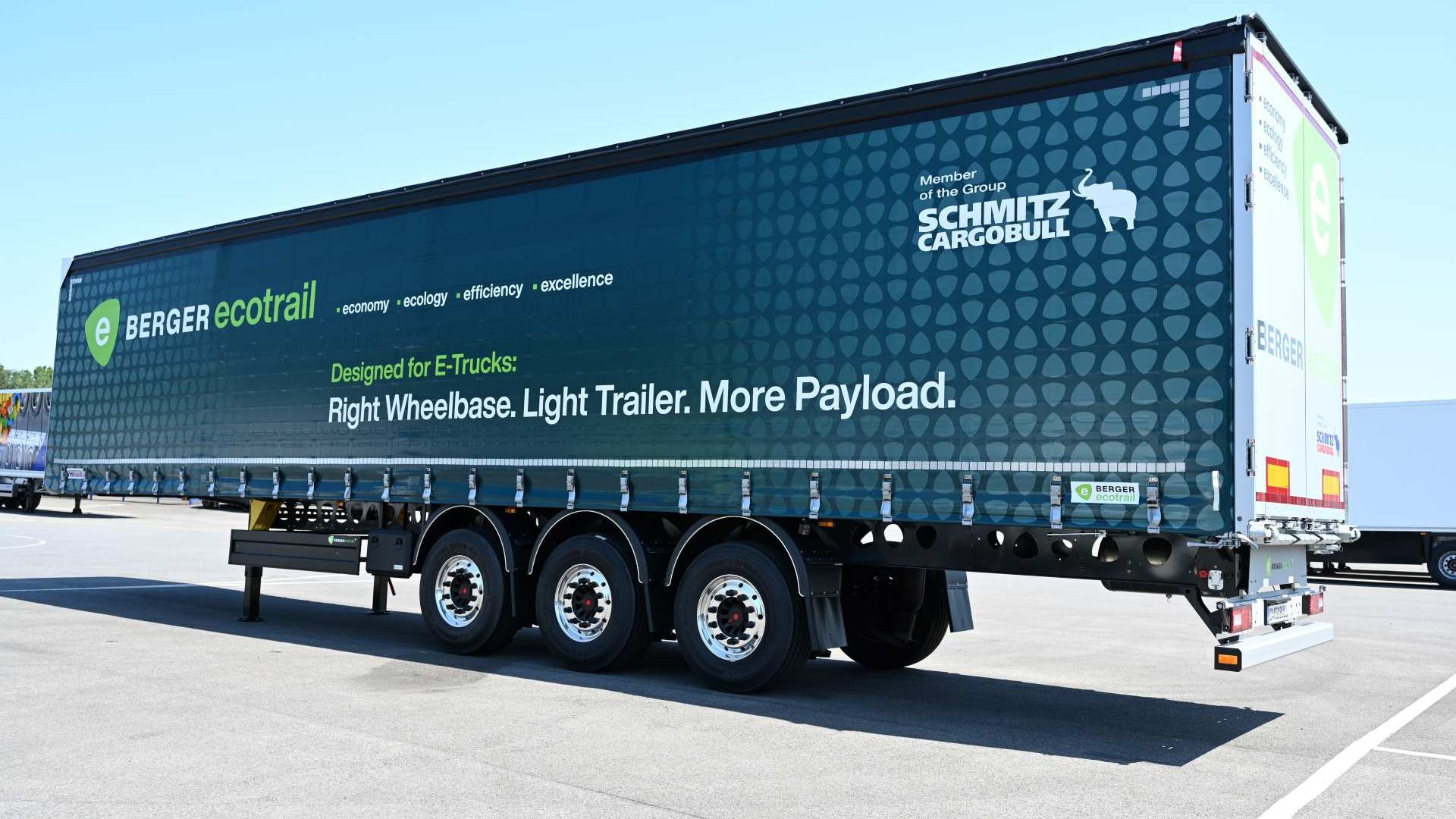
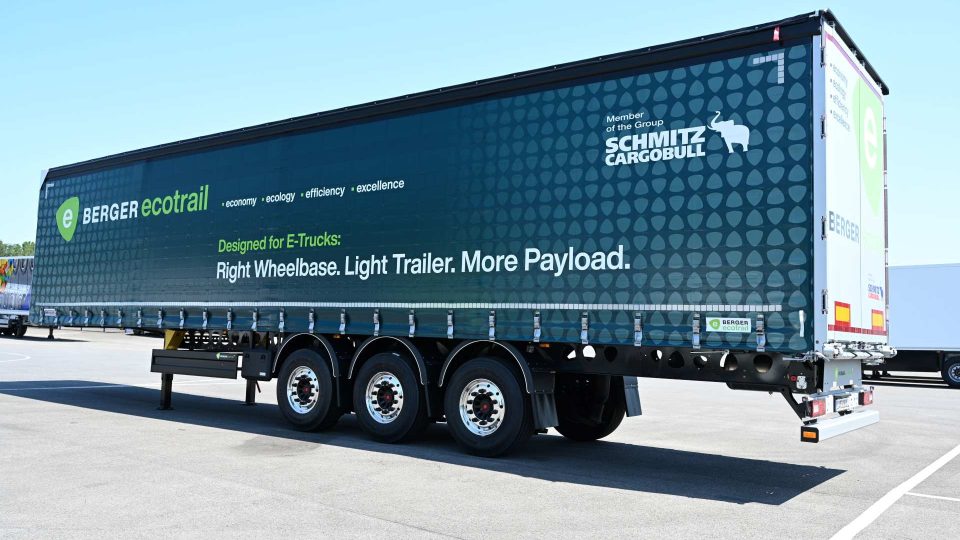
The issue has direct implications for vehicle productivity. As recently reported by Sustainable Truck&Van, Schmitz Cargobull has developed a lightweight semi-trailer with repositioned axles specifically to improve payload utilisation with electric tractors.
ETS2 and the economics of zero-emission transport
The second major issue concerns the European Union’s Emissions Trading System for buildings and road transport (ETS2). ACEA is urging European policymakers to preserve the agreed 2028 introduction date of the system, which will put a carbon price on fossil fuels used in road transport.
According to the association, a predictable carbon price would help improve the economic competitiveness of zero-emission trucks compared with diesel vehicles. ACEA also argues that revenues generated through ETS2 should be reinvested in measures supporting the transition, including incentives for vehicle adoption.

The association’s position reflects a broader concern about the economic viability of electric trucking. While manufacturers have invested heavily in zero-emission technologies, transport operators must still assess electricity prices, charging availability, payload capacity and operating costs before replacing conventional vehicles.
The European Commission has already indicated its intention to prioritise electric truck charging infrastructure in future EU funding programmes, but ACEA maintains that infrastructure investment must be accompanied by regulatory measures capable of making zero-emission trucks commercially competitive.