
EU plans to prioritise electric truck charging in future infrastructure funding
The European Commission intends to give greater priority to charging infrastructure for electric trucks and buses under future EU funding programmes. The move reflects growing concerns over investment risks, grid connection delays and the need to develop a reliable charging network along Europe's main freight corridors.
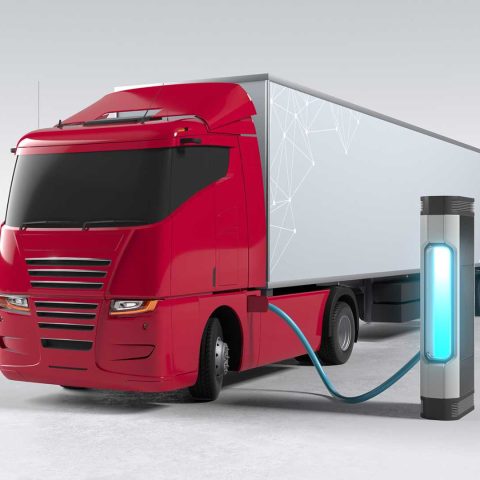
The European Commission is planning to prioritise charging infrastructure for heavy-duty electric vehicles in future funding through the Connecting Europe Facility (CEF) and its Alternative Fuels Infrastructure Facility (AFIF).
The direction was outlined by Eric von Breska, Director for Investment, Innovation and Sustainable Transport at the European Commission, during the Connecting Europe Days event in Brussels, according to reports by Electrive and German transport publication DVZ.
The announcement comes as the European Union seeks to accelerate the deployment of electric trucks while addressing the financial and technical obstacles that continue to affect charging infrastructure projects.
Electric truck charging: investment risks remain a challenge
One of the main difficulties is the uncertainty surrounding the commercial viability of public truck charging stations. Infrastructure operators face substantial upfront investment costs, while the number of electric trucks currently in operation remains relatively limited.
According to figures presented by EU Transport Commissioner Apostolos Tzitzikostas, approximately 3,000 publicly accessible charging points suitable for electric trucks are currently available in the EU, representing an increase of around 60% compared with the previous year.
The Commission expects the number of zero-emission heavy-duty vehicles to grow substantially by 2030, making further investment in dedicated charging infrastructure increasingly important.
However, financial support alone may not be sufficient. Access to the electricity grid, lengthy connection procedures and the availability of sufficient power remain significant barriers, particularly for high-capacity charging hubs.
EU funding and the development of freight corridors
The Commission is already working with Member States through its Clean Transport Corridor Initiative, launched in 2025 to coordinate the deployment of charging infrastructure along major European freight routes.
The first phase focuses on the Scandinavian–Mediterranean and North Sea–Baltic corridors, with plans to extend the initiative to other routes across the Trans-European Transport Network (TEN-T).
The EU is also considering new financial instruments designed to reduce investment risks for charging infrastructure operators.
Meanwhile, the planned review of the Alternative Fuels Infrastructure Regulation (AFIR) in 2026 is expected to address additional infrastructure requirements, including depot charging.
For transport operators, the challenge is increasingly about ensuring that charging facilities are available where trucks actually operate, with sufficient power and reliable access.
The next phase of Europe’s electric truck transition will therefore depend not only on vehicle availability, but also on coordinated investment in charging infrastructure, electricity grids and logistics corridors.