

Chery brings Phoenix electric trucks to Europe with BEV and range-extender options
Chery Commercial Vehicle showcased its Phoenix heavy-duty trucks at IAA Transportation 2026 under the C&C Trucks brand. The line-up includes a battery-electric model with around 600 km of claimed range and a range-extender version targeting 1,400 km, while both can use a mobile battery-swapping system.
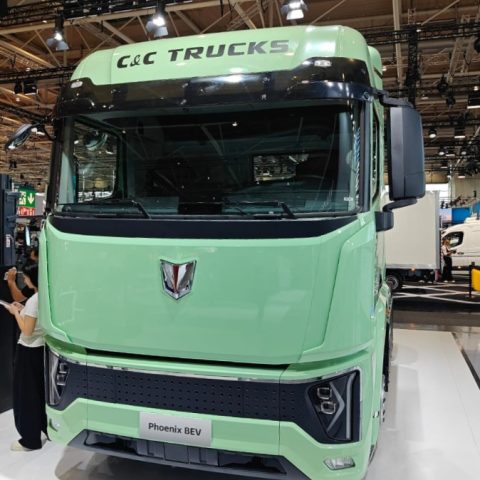
Chery Commercial Vehicle used IAA Transportation 2026 to present two different approaches to the electrification of heavy-duty transport under its C&C Trucks brand.
The Chinese manufacturer displayed the Phoenix BEV, designed primarily for predictable short- and medium-distance operations, alongside the Phoenix REEV, which combines a large traction battery with an onboard range extender for longer routes where charging infrastructure may be less readily available.
Both trucks can also use a battery-swapping system developed with Gotion High-Tech, including a mobile solution that does not necessarily require the construction of a permanent swapping station.
Phoenix BEV targets around 600 km
According to information provided during our visit to Chery’s stand in Hannover, the Phoenix BEV on display was equipped with an 860 kWh battery and a 400 kW electric axle. Chery quotes a range of approximately 600 kilometres.
The manufacturer sees the battery-electric model primarily operating on predictable routes where charging locations can be planned in advance, making it suitable for fixed-route and short- to medium-distance transport operations.
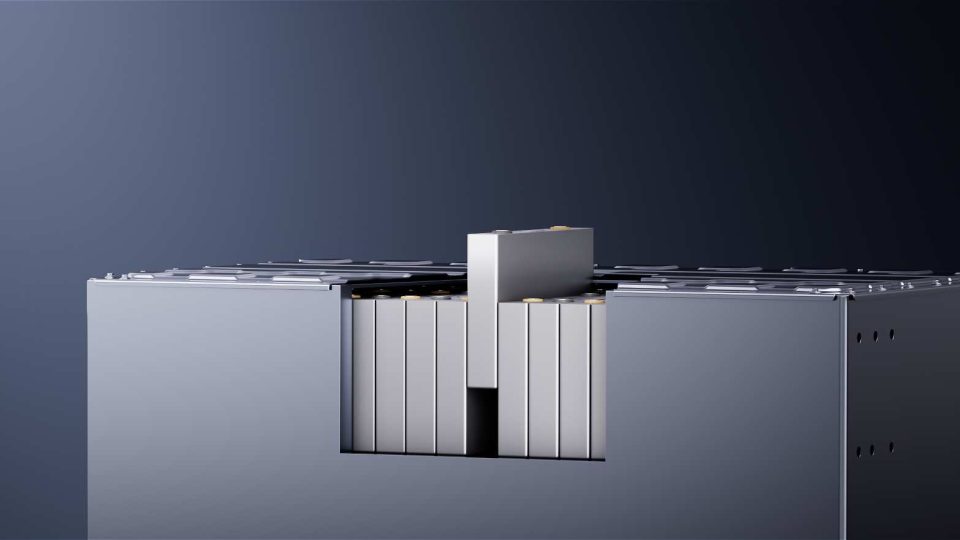
The 860 kWh battery system consists of two 430 kWh modules, an architecture that also enables the swapping solution presented by Chery in Hannover.
Phoenix REEV extends total range to 1,400 km
For longer-distance applications, C&C Trucks has developed the Phoenix REEV, which uses a range extender to generate electricity onboard when the energy stored in the traction battery is insufficient to complete the journey.
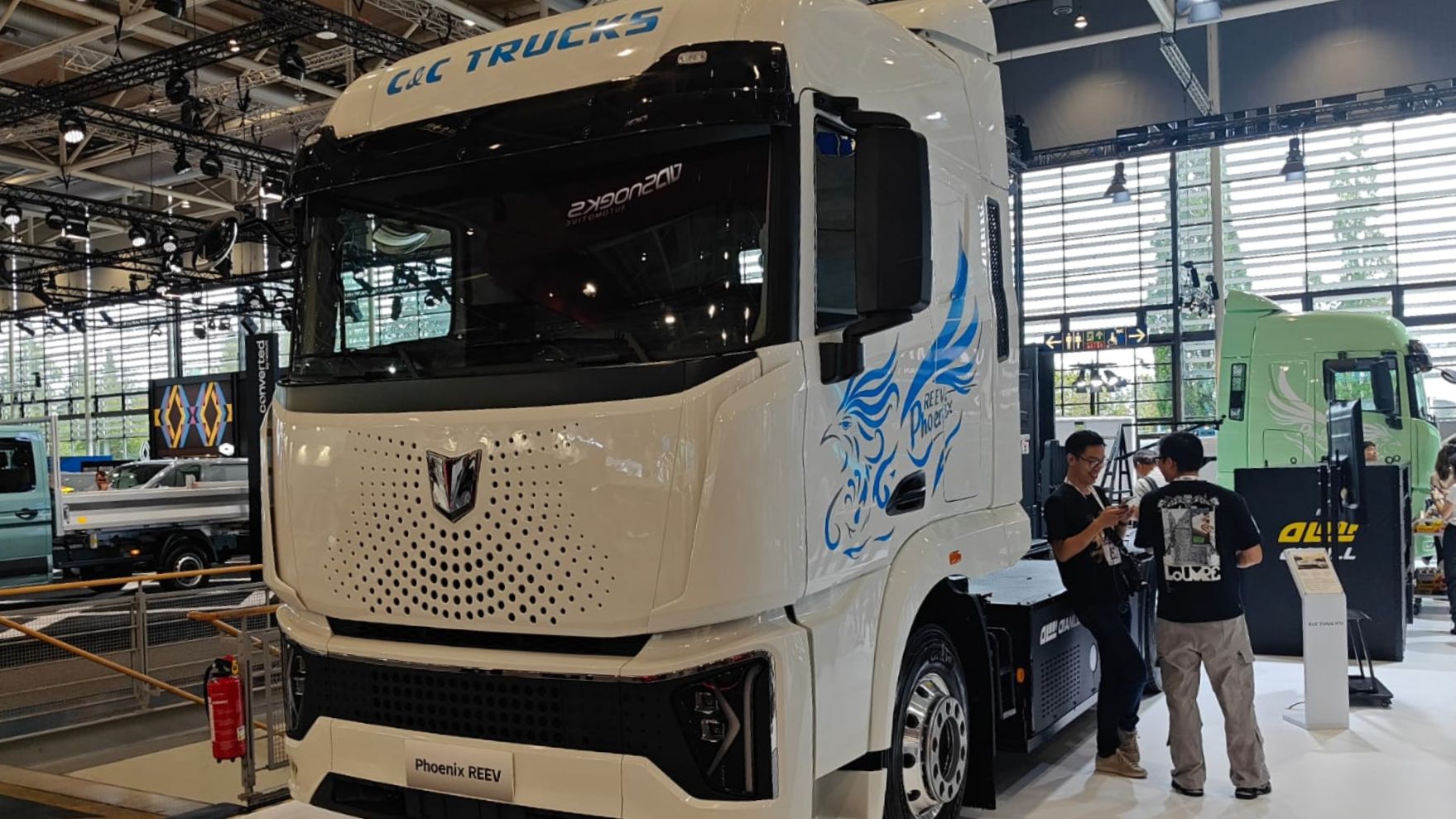
According to Chery, the truck can cover around 800 km using energy from the battery, with the range extender adding approximately another 600 km. This brings the claimed total range to around 1,400 km.
The range-extender system is supplied by a 200-litre fuel tank. Chery positions this configuration particularly for routes where sufficient charging infrastructure cannot yet be guaranteed throughout the journey.
The two Phoenix versions therefore address different operating conditions rather than simply offering alternative powertrains for the same mission: the BEV relies on planned charging and predictable routes, while the REEV is intended to provide greater operational flexibility where charging availability remains uncertain.
Battery swapping without a fixed station
Perhaps the more unusual element of the Phoenix concept is the battery-swapping system developed together with Gotion High-Tech.
The two 430 kWh battery modules can be replaced in around five minutes, according to the companies. More significantly, Chery says the operation does not necessarily require a conventional fixed battery-swapping station.
Mobile equipment can instead be deployed to the areas where the trucks are operating. A Chery representative in Hannover told Sustainable Truck&Van that the swapping service could effectively follow vehicle operations, potentially reducing the need to install permanent infrastructure at every location.
The broader concept also includes the use of solar and wind energy to recharge the replaceable batteries before they are installed in the trucks.
Alongside the Phoenix heavy-duty models, Chery Commercial Vehicle brought its DELIVAN electric commercial vehicles to Hannover. The range, which includes different configurations for applications such as refrigerated transport and municipal services, is scheduled for commercial introduction in Europe and the UK in 2027. Also on display was ROBOX, a Level 4 autonomous vehicle developed for logistics applications.