

Elektrotrucker sets off around the world with a Mercedes eActros 600
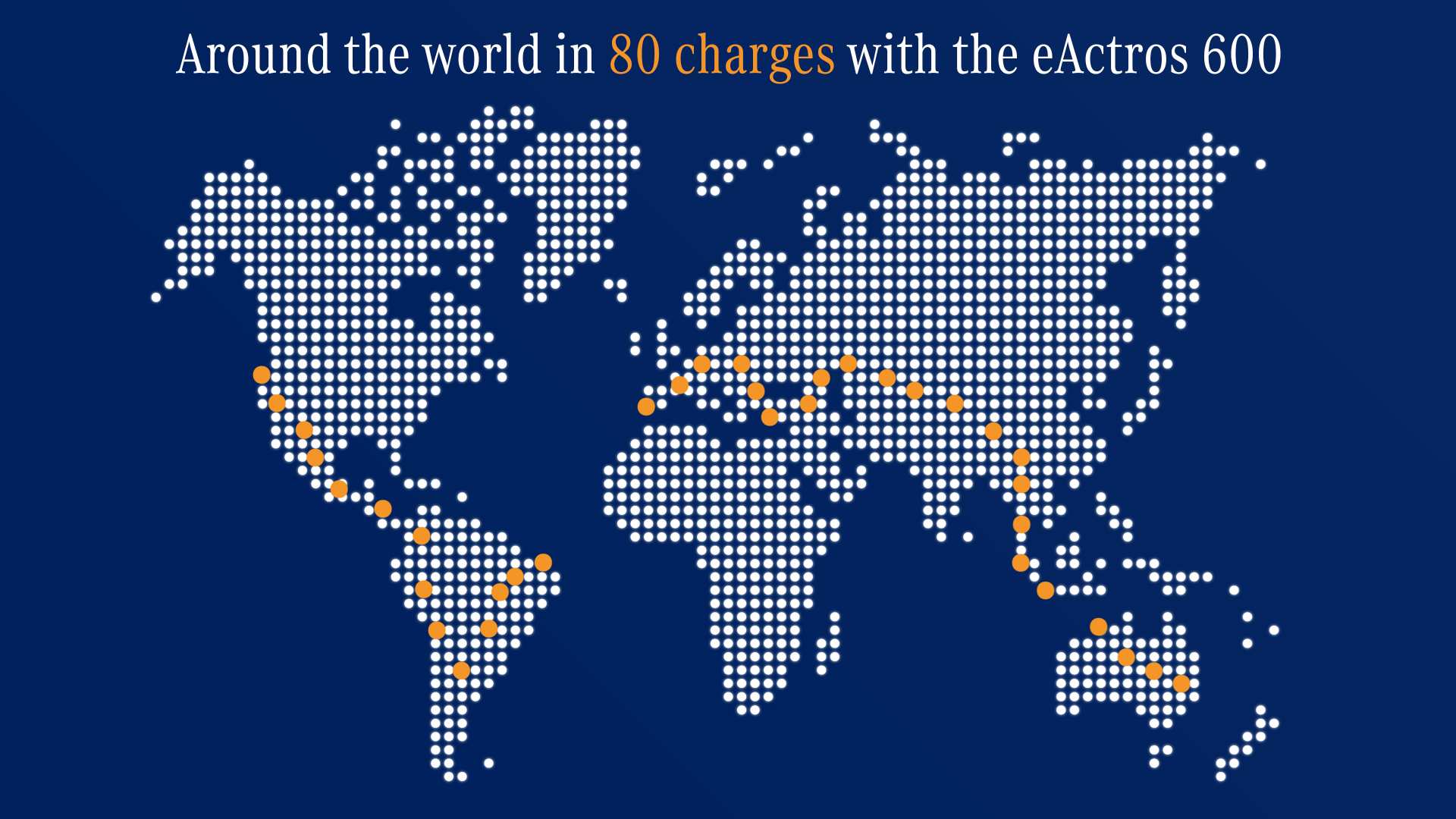
Truck driver and content creator Tobias Wagner, known as Elektrotrucker, has started a round-the-world journey with a Mercedes-Benz eActros 600. The year-long expedition will cover around 45,000 kilometres across five continents, with no more than 80 charging stops planned along the route.
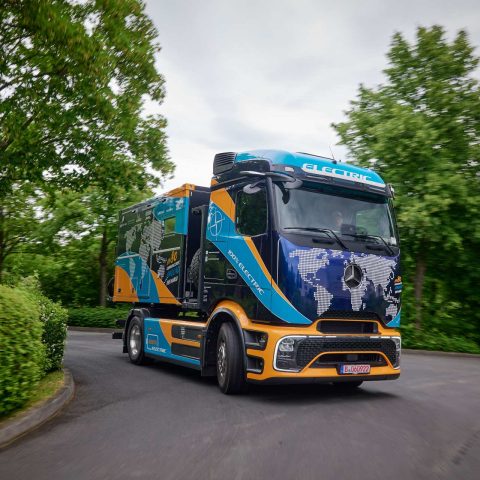
A Mercedes-Benz eActros 600 has set off from Hannover on an unusual test of electric long-haul transport: a 45,000-kilometre journey around the world, crossing around 30 countries on five continents.
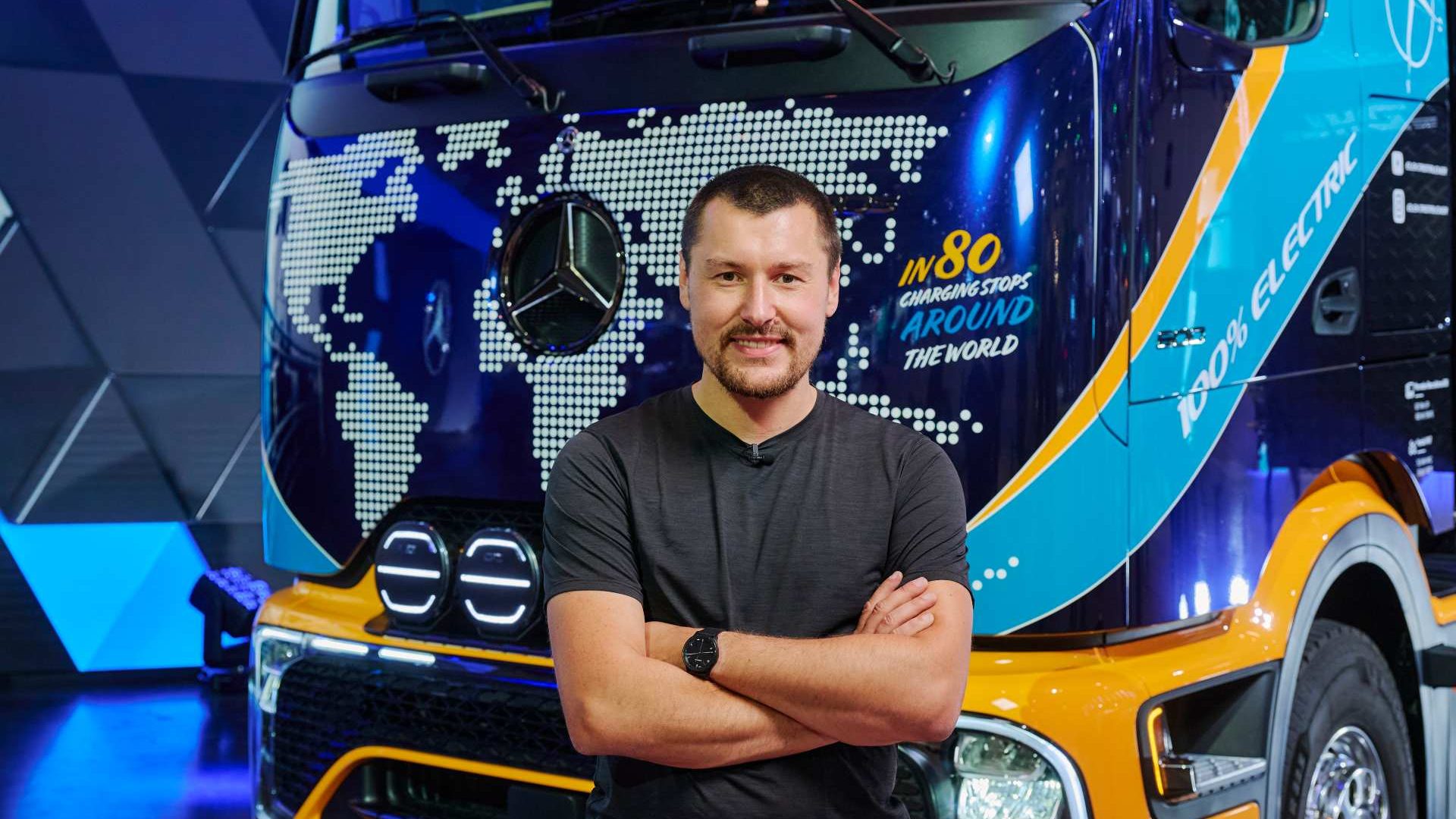
At the wheel is German truck driver and content creator Tobias Wagner, better known as Elektrotrucker, who departed from IAA Transportation on September 20. The journey is expected to take around one year, with Wagner planning to complete it with no more than 80 charging stops.
The project is supported by Mercedes-Benz Trucks and is intended to document how battery-electric heavy-duty technology performs under very different geographical, climatic and infrastructure conditions. Just as importantly, Wagner intends to highlight where the availability of charging infrastructure still creates limitations for electric long-haul transport.
From Europe to Asia, Australia and the Americas
The first part of the route takes the eActros 600 from Germany through the Czech Republic, Austria, Slovakia, Hungary, Serbia and Bulgaria before reaching Turkey.
From mid-October, the current plan is to continue through Azerbaijan, Turkmenistan, Uzbekistan, Kyrgyzstan, Kazakhstan and China, before travelling through Southeast Asia to Singapore. Australia, the United States and several Latin American countries will follow, although Mercedes-Benz Trucks notes that the route may change as the journey progresses.
Crossing oceans obviously does not count towards the driving challenge: DHL will handle the necessary intercontinental transport of the truck by sea, as well as providing logistics support for spare parts along the route.
Wagner has been driving battery-electric trucks in international long-haul operations for several years. “With this round-the-world tour, I want to find out how far we really are,” he said. “I will reach places where electric mobility already works and others where it still reaches its limits.”
An eActros 600 converted for the expedition
The expedition truck is based on a series-production 4×2 eActros 600 built at Mercedes-Benz Trucks’ Wörth plant, rather than on a dedicated prototype.
It has, however, been modified for the journey with two spare-wheel carriers, single tyres, additional lighting and a specially developed Bliss Mobil camper body.
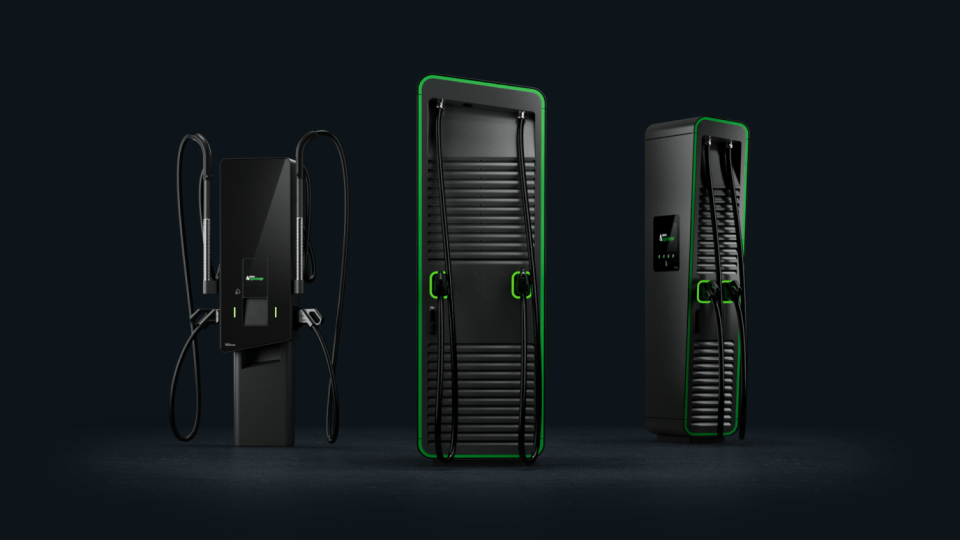
Charging is another interesting part of the experiment. In addition to the truck’s standard CCS charging capability of up to 400 kW, Wagner is carrying an Alpitronic DC charger that can be connected to AC power sources and charge the vehicle at up to 43 kW when conventional DC charging infrastructure is unavailable.
The standard eActros 600 uses three LFP battery packs providing 621 kWh of installed capacity. Mercedes-Benz Trucks quotes a range of around 500 kilometres at 40 tonnes under its defined test conditions, while the most energy-efficient configuration can reach an estimated 560 kilometres depending on operating conditions.
For Wagner, however, the objective over the coming year will be less about reproducing a laboratory or test-route range figure and more about finding out how an electric heavy-duty truck can actually travel through regions with vastly different charging networks and operating conditions.