
Quantron targets 2,000 zero-emission trucks in China by 2030
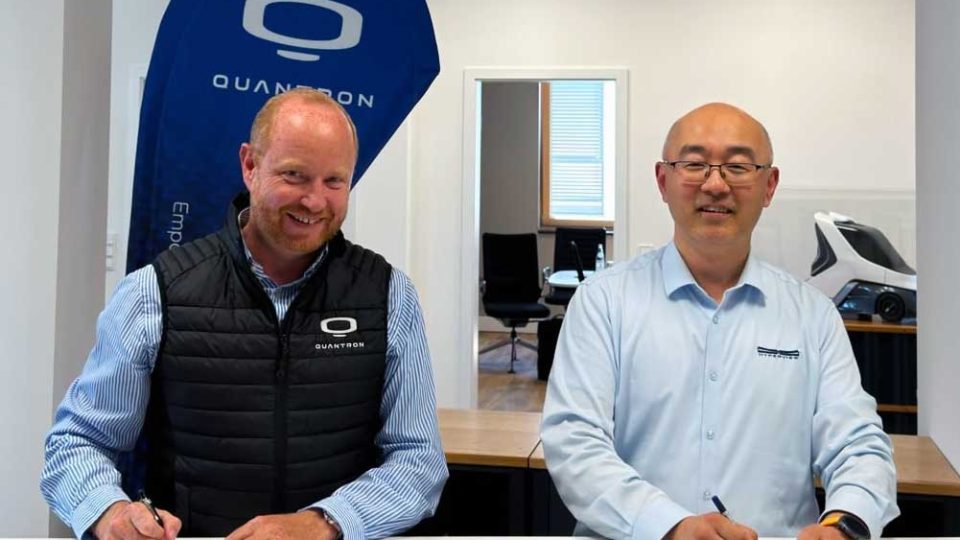
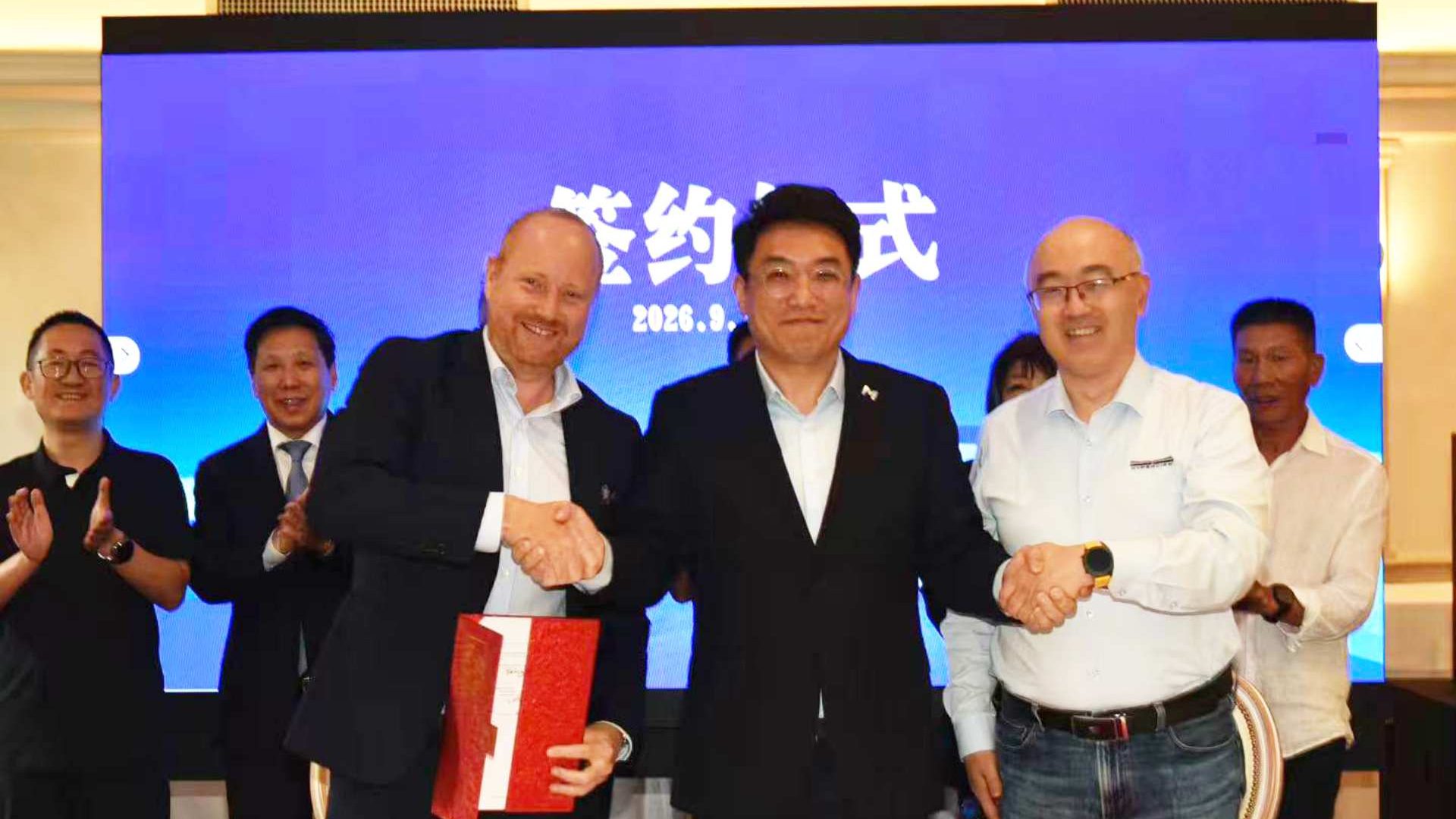
Quantron, HyperView and Riyue Group have signed a strategic framework agreement centred on the deployment of 2,000 zero-emission trucks in Shaoxing, China, by 2030. The project combines electric and autonomous vehicle technology, renewable energy infrastructure and Quantron's integrated as-a-service model.
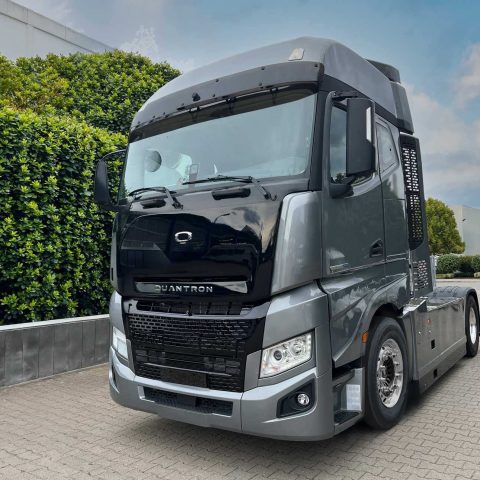
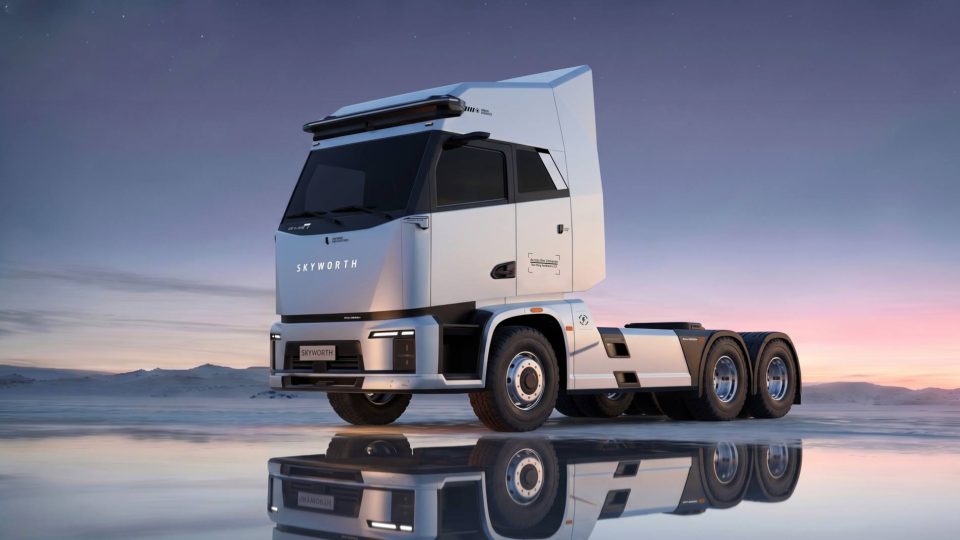
Quantron is taking another step in its new China strategy with a project targeting the deployment of 2,000 zero-emission heavy-duty trucks in Shaoxing by 2030.
The programme is based on a strategic framework agreement between Quantron, autonomous driving specialist HyperView and Chinese industrial group Riyue Group. A government-affiliated platform company in Shaoxing has been identified as the buyer, with the new vehicles intended to replace conventionally powered trucks currently operating in the region.
The announcement follows the recent creation of Quantron China, the joint venture established with HyperView and headquartered in Shaoxing. As we reported in September, the new company is developing a next-generation platform for battery-electric and hydrogen commercial vehicles, with Foxconn selected as an industrial manufacturing partner.
This latest agreement therefore begins to add a potential customer base and deployment volume to the industrial strategy outlined only a few weeks ago.
More than a 2,000-truck deployment
The project is not conceived as a conventional vehicle sale. Quantron plans to use its Quantron-as-a-Service (QaaS) model, combining vehicles, energy supply, financing, service and digital fleet management within a monthly-payment structure. Autonomous driving technology will also be incorporated progressively, depending on technical maturity and regulatory approvals.
This is where the roles of the Chinese partners become particularly relevant. HyperView contributes autonomous driving and intelligent vehicle technology, with systems that, according to the company, have already entered series production on more than 30 vehicle models.
Riyue Group, meanwhile, will support the renewable energy side of the project, including photovoltaic generation and charging infrastructure, as well as providing local industrial resources in Shaoxing.
China as a market and industrial base
For Quantron, however, the significance of the project extends beyond the 2,000 vehicles. The company explicitly sees China simultaneously as a sales market, an industrial base and a platform for international expansion.
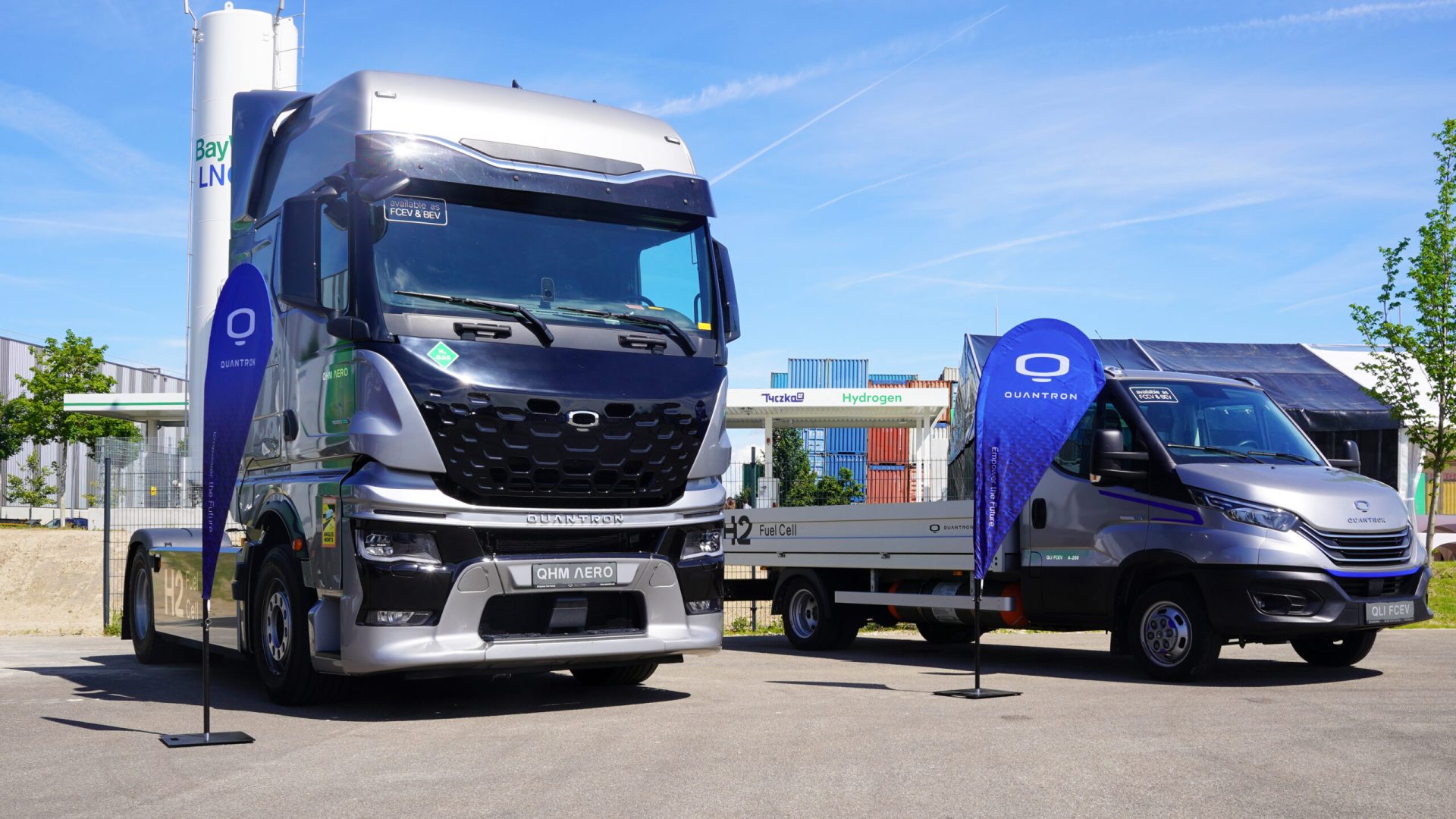
Local volumes are expected to help scale development, procurement and production, with the resulting cost advantages potentially transferred to Quantron’s activities in other markets.
That strategy fits closely with the structure announced in September, when Quantron said the new Chinese operation would combine European vehicle engineering with Chinese manufacturing, supply chains and autonomous driving expertise, targeting not only China but also Europe and the Middle East.
Quantron also estimates that replacing diesel trucks with the 2,000 zero-emission vehicles could avoid around two million tonnes of CO2 emissions over ten years. That figure is a company estimate based on several assumptions, including 125,000 km of annual mileage per vehicle and renewable electricity for electric truck operation.
The Shaoxing agreement therefore gives Quantron’s recently announced China strategy a more tangible dimension: potential scale on the domestic market, local technology and energy partners, and an as-a-service business model that the company ultimately intends to leverage internationally.