
Scania Pilot Partner: the way to test electric and hydrogen solutions
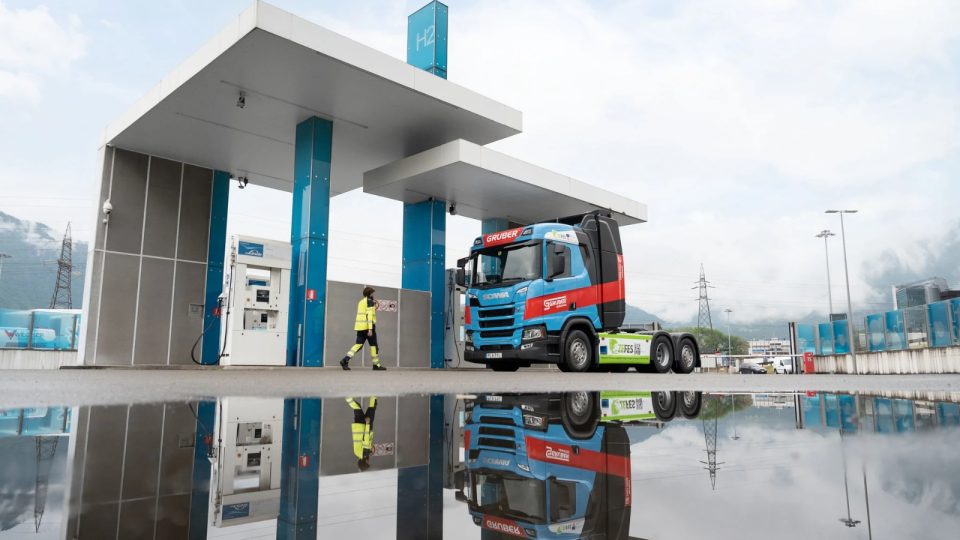
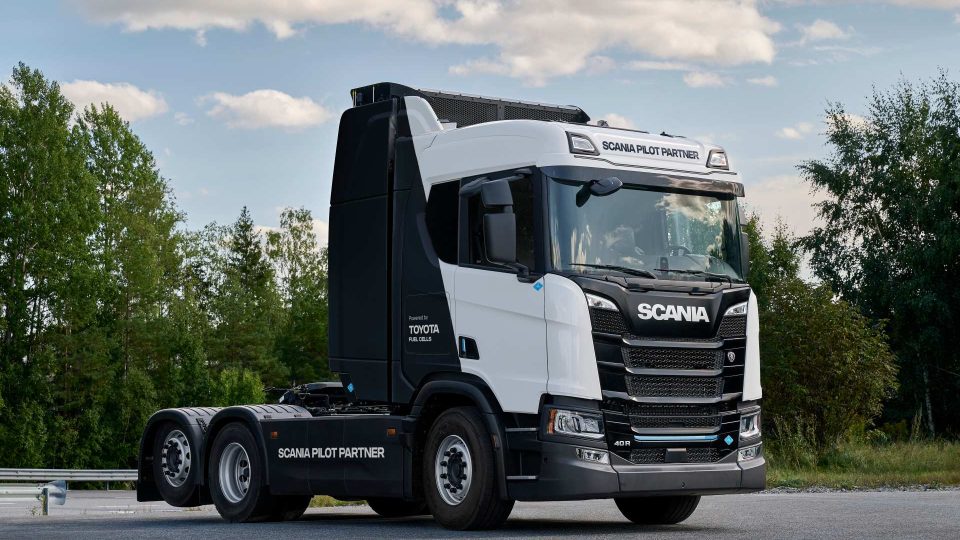
Earlier this month at Transport.CH in Bern, Switzerland, Scania showcased its collaboration with Asko Norge AS, a longstanding partner and leader in sustainable logistics, to test hydrogen fuel cell trucks in business operations, in order to evaluate technical performance, operational feasibility, and commercial potential. Although these vehicles are not yet available for order, they form part of Scania’s broader Pilot Partner programme, an initiative the company has established with selected customers.
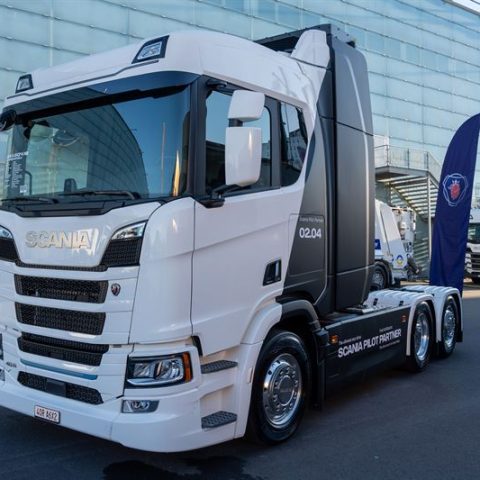
Scania’s broader Pilot Partner programme is an initiative that aims to assess electrification technology and various other solutions under daily conditions to see what they can contribute to fossil-free transport. Earlier this month at Transport.CH in Bern, Switzerland, Scania showcased its collaboration with Asko Norge AS, a longstanding partner and leader in sustainable logistics, to test hydrogen fuel cell trucks in business operations, in order to evaluate technical performance, operational feasibility, and commercial potential.
Although these vehicles are not yet available for order, they form part of Scania’s broader Pilot Partner programme, an initiative the company has established with selected customers which aims to assess electrification technology and various other solutions under daily conditions to see what they can contribute to fossil-free transport.
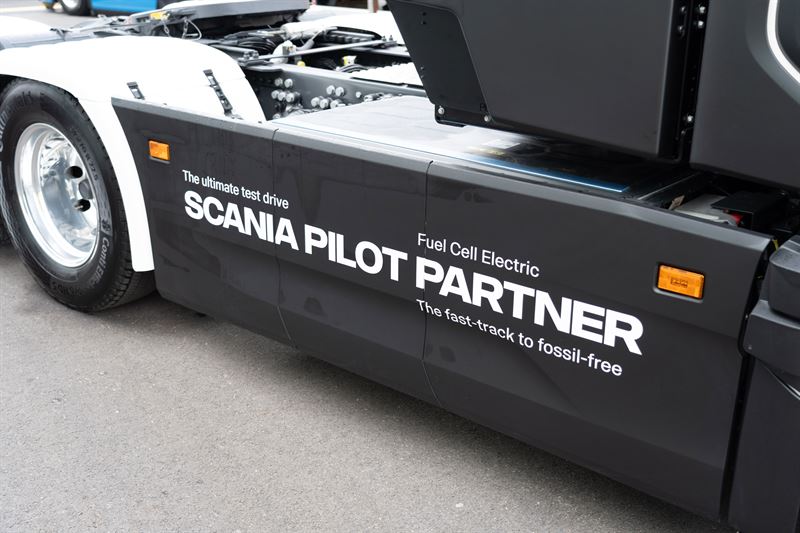
Scania working with Asko to test hydrogen fuel cell trucks
Still speaking of hydrogen, Scania and Asko have initially found that the trucks can reach ranges of up to 1,000 kilometres per refuelling, emitting only water vapour. The two companies’ collaboration illustrates how partnerships drive practical progress in sustainable transport.
Scania Pilot Partner evaluates and tests a wide range of technologies and methods, from battery-electric solutions – which remain the company’s strategic focus – to combustion engines powered by range extender and emerging alternatives such as hydrogen fuel cells. “This is where innovation meets application,” says Tony Sandberg, Head of Scania Pilot Partner. “By working side by side with customers, we turn pilots into progress and strengthen Scania’s role in leading the shift towards a sustainable transport system.”