
Mercedes Benz’s new recycling factory in Kuppenheim
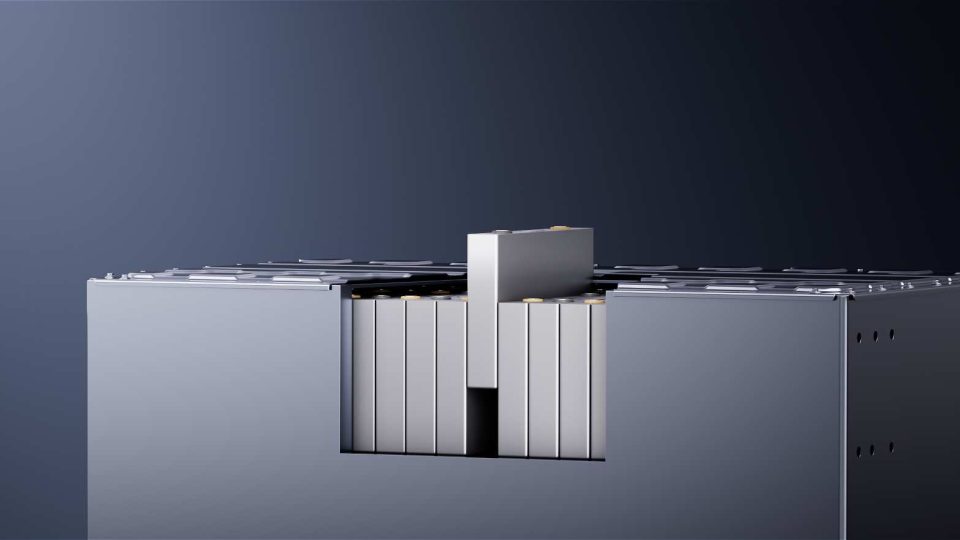
The recycling plant in Kuppenheim, southern Germany, aims to create a genuine circular economy. According to the German group, valuable and scarce raw materials such as lithium, nickel and cobalt can be recovered – in a way which is suitable for use in new batteries for future all-electric Mercedes-Benz vehicles.
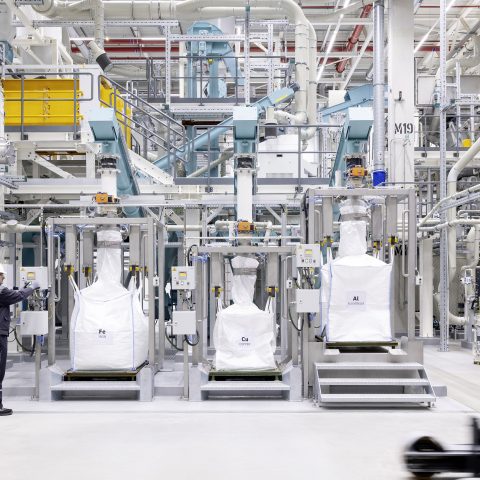
Mercedes-Benz opened Europe’s first battery recycling plant with an integrated mechanical-hydrometallurgical process. The recycling plant in Kuppenheim, southern Germany, aims to create a genuine circular economy. According to the German group, valuable and scarce raw materials such as lithium, nickel and cobalt can be recovered – in a way which is suitable for use in new batteries for future all-electric Mercedes-Benz vehicles. The company has invested tens of millions of euros in the construction of the new battery recycling plant and thus in the value creation in Germany.
Mercedes-Benz’s technology partner for the battery recycling factory is Primobius, a joint venture between German plant and mechanical engineering company SMS group and Australian process technology developer Neometals. The plant is receiving funding from the German Federal Ministry for Economic Affairs and Climate Action as part of a scientific research project with three German universities. The project looks at the entire process chain for recycling, including logistics and reintegration concepts. The partners are thus making an important contribution to future scaling of the battery recycling industry in Germany.
Mercedes-Benz: the official statements on the recycling factory
“Mercedes-Benz has set itself the goal of building the most desirable cars in a sustainable way. As a pioneer in automotive engineering, Europe’s first integrated mechanical-hydrometallurgical battery recycling factory marks a key milestone towards enhancing raw-materials sustainability. Together with our partners from industry and science, we are sending a strong signal of innovative strength for sustainable electric mobility and value creation in Germany and Europe”, commented Ola Källenius, Chairman of the Board of Management of Mercedes-Benz Group.
“The future of the automobile is electric, and batteries are an essential component of this. To produce batteries in a resource-conserving and sustainable way, recycling is also key. The circular economy is a growth engine and, at the same time, an essential building block for achieving our climate targets! I congratulate Mercedes-Benz for its courage and foresight shown by this investment in Kuppenheim. Germany remains a cutting-edge market for new and innovative technologies”, added Olaf Scholz, Federal Chancellor of the Federal Republic of Germany.