
From Canada to Mexico: a new zero-emission truck corridor planned along the West Coast
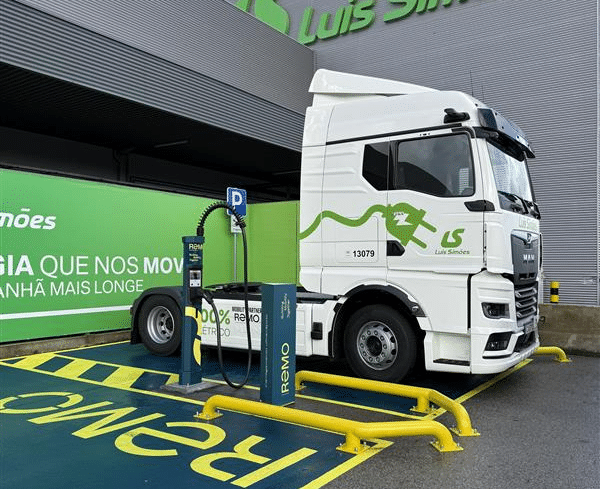
California, British Columbia, Oregon, Washington and Baja California have launched the BC2BC ZEV Corridor initiative, aimed at creating a cross-border charging and hydrogen refuelling network for zero-emission trucks along the West Coast. The initial infrastructure plan includes 20 charging stations and three hydrogen stations.
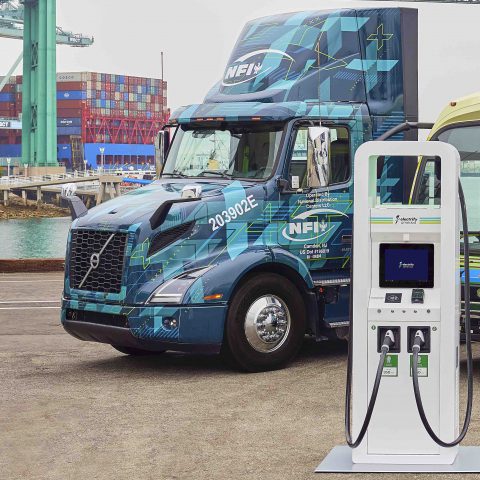
A zero-emission freight corridor connecting Canada, the United States and Mexico is taking shape along the North American West Coast. Government representatives from California, British Columbia, Oregon, Washington and Baja California have announced the British Columbia to Baja California ZEV Corridor (BC2BC), designed to enable electric trucks to operate between Vancouver and Mexico along the I-5 corridor.
The initiative goes beyond the installation of individual charging sites. The five participating governments intend to coordinate infrastructure planning and technical standards across jurisdictions, with interoperability identified as one of the key requirements for the future network.
20 charging stations planned in the first phase
The initial build-out is expected to include 20 electric charging stations and three hydrogen refuelling stations. The scale of the potential demand is significant: according to the project partners, average daily truck traffic along the corridor approaches 10,000 vehicles.
The project is supported by CALSTART and its Drive to Zero programme, the California State Transportation Agency (CalSTA) and the Institute of Transportation Studies at UC Davis, which will coordinate planning and investment activities. Industry representatives participating in the launch included Volvo Group North America, Tesla, Southern California Edison and EV Realty.
For truck operators, the objective is to create not only sufficient infrastructure but a predictable charging ecosystem across national and regional borders. As Volvo Group North America pointed out during the launch, harmonising charging infrastructure, standards and planning could give fleets greater confidence when planning routes, maintaining vehicle uptime and making longer-term investment decisions.
A blueprint for other zero-emission freight corridors
Technical meetings between the five participating states and provinces will now address standards, planning and common guidance. The BC2BC project will also become part of the wider Global Green Road Corridor initiative, which is developing similar zero-emission freight infrastructure projects in Europe, Africa, Asia and the Americas.