

cellcentric’s new 375 kW fuel cell system: technology, hydrogen and the future of heavy-duty transport
Joachim Ladra, Head of Sales, Marketing and Communication at cellcentric, discusses the company's new 375 kW BZA375 fuel cell system, its industrial roadmap and Toyota's planned entry into the joint venture. He also addresses hydrogen infrastructure, competing technologies and Europe's opportunities in zero-emission heavy-duty transport.


Fuel cell technology is entering a crucial phase in its development for heavy-duty transport. While manufacturers continue to improve power output, efficiency and system integration, the industry’s biggest challenges increasingly extend beyond the vehicles themselves, involving hydrogen availability, refueling infrastructure and economic competitiveness. Against this backdrop, cellcentric, the joint venture established by Daimler Truck and Volvo Group, is preparing to take a significant step forward with its new BZA375 fuel cell system, while Toyota is expected to join the partnership, subject to regulatory approval. We spoke with Joachim Ladra, Head of Sales, Marketing and Communication at cellcentric, about the company’s technological progress, its industrial ambitions and the role hydrogen could play in the decarbonization of commercial transport.
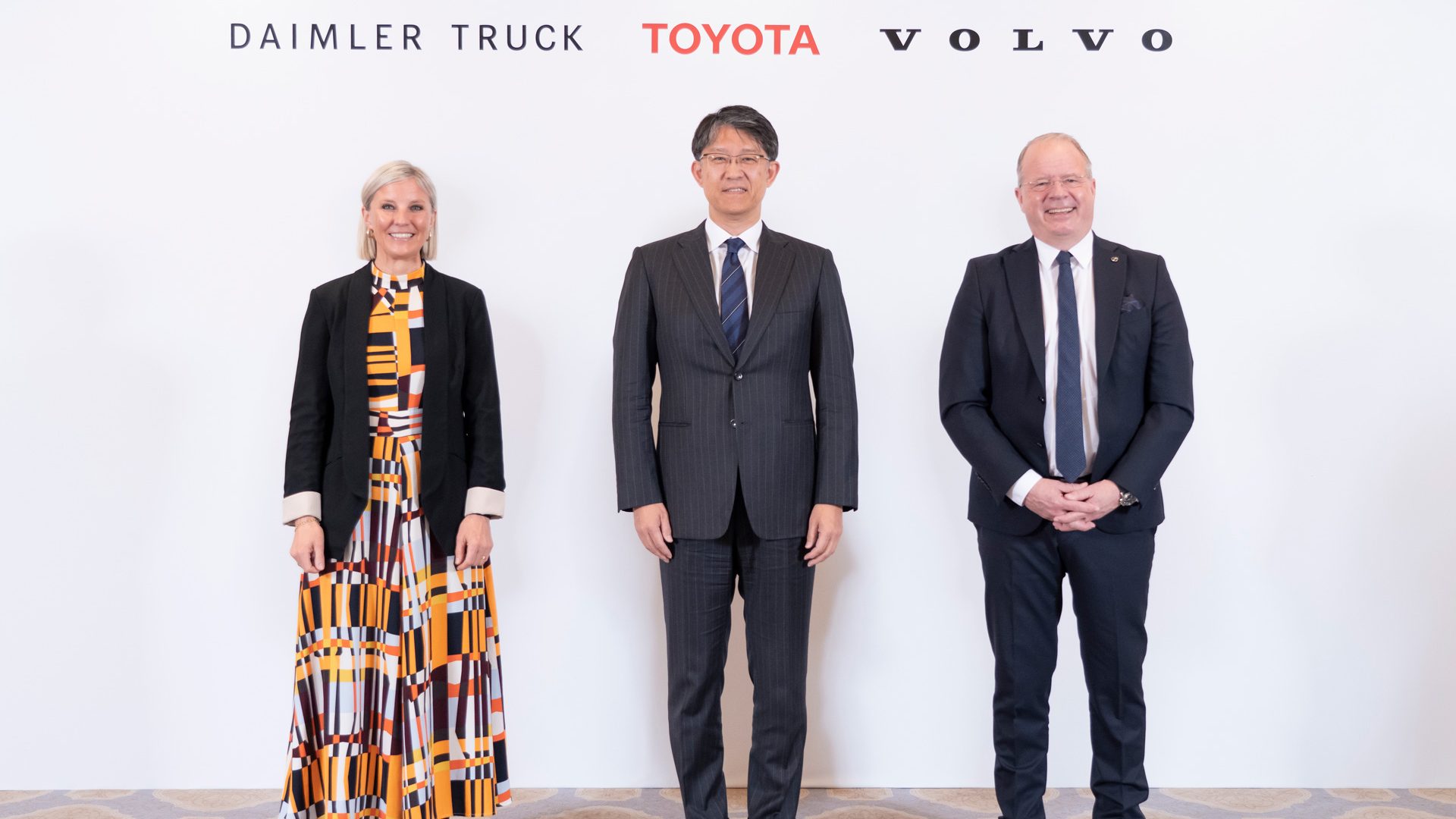
cellcentric’s new BZA375 fuel cell system
Joachim, what makes cellcentric’s new BZA375 fuel cell system a significant step forward compared with the previous generation?
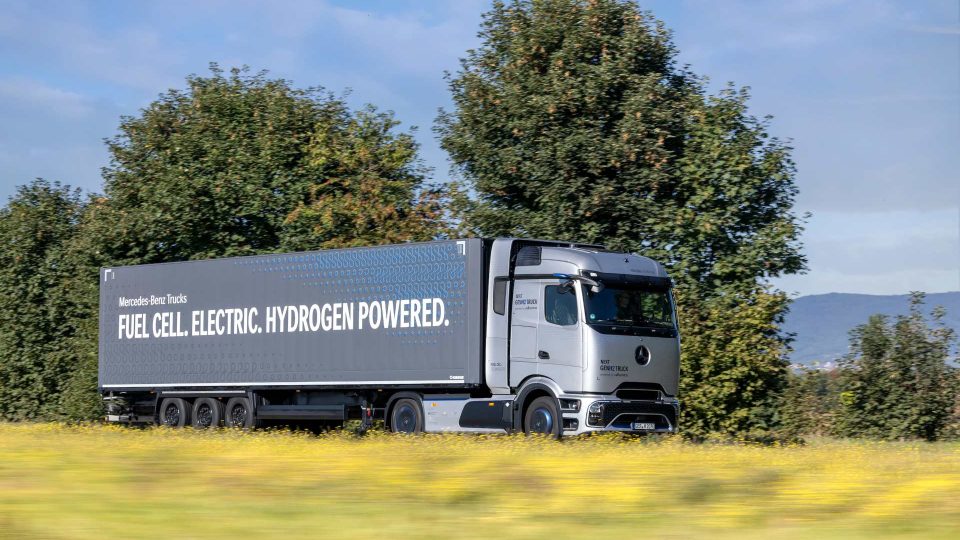
It represents the latest advancement in fuel cell technology and a major leap forward compared with its predecessor BZA150, which was used, for example, in the Mercedes-Benz GenH2 Truck and the Volvo FH Hydrogen. Even from a purely visual perspective, there are substantial differences between the two generations. Most notably, BZA375 is physically larger, which translates into significantly higher continuous net power output. As their names suggest, the new system delivers 375 kW, compared with 150 kW for the previous generation. The latter was not sufficient on its own for heavy-duty applications, meaning that two units were needed to power a truck.
Why is the new system more efficient?
The previous configuration involved considerable redundancy and complexity, as each interface had to be integrated twice into the vehicle. Back in 2019, when we started addressing the specific requirements of fuel cell systems for heavy-duty transportation and applications with similarly challenging requirements, this was the only viable solution. However, the experience and data we gained enabled us to develop a single system delivering more than twice the power of its predecessor.
Where are these fuel cell systems currently produced?
So far, we are in the production of prototype sample units at our R&D center in Kirchheim/Teck near Stuttgart, Germany. However, we are currently converting the production facility where we previously manufactured BZA150 for larger-scale BZA375 production. We expect to be ready to produce C-sample units of BZA375 at that facility in Esslingen-Pliensauvorstadt, also located in the greater Stuttgart area, during the first half of 2027.
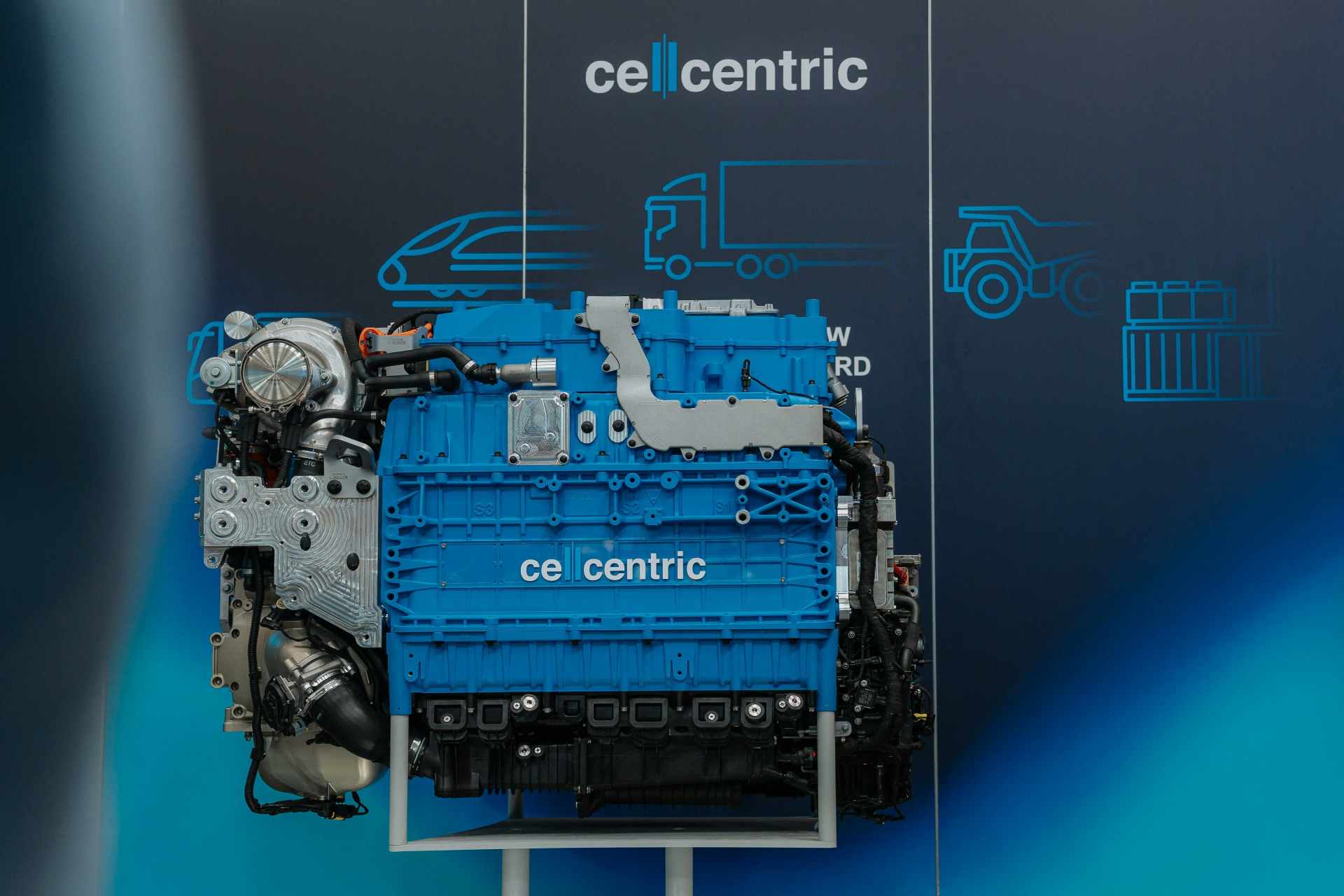
Toyota’s planned entry into cellcentric
What will change when Toyota joins the joint venture?
As we speak, Toyota is not yet a shareholder in cellcentric. The binding agreements between Toyota, Daimler Truck, Volvo Group and cellcentric were signed in July 2026, and we are currently awaiting regulatory approval. We are therefore in an interim phase. We already have a clear understanding of what we intend to do, but further steps are only possible based on the necessary approvals have been granted.
Daimler Truck and Volvo Group are expected to remain key customers of cellcentric in the heavy-duty market, with cellcentric maintaining its focus on heavy-duty fuel cell technology. Toyota is planned to play a somewhat different role. Our objective is to collaborate on a technical level, combining the expertise that both sides have developed over decades of automotive fuel cell research and development. This should enable us to advance heavy-duty fuel cell technology further than either party could achieve independently.
Hydrogen and fuel cells in Europe’s heavy-duty transport sector
How would you describe the current outlook for fuel cell technology in Europe?
There are several pieces of the puzzle that need to come together. The first is the regulatory environment in which European truck manufacturers operate. The industry faces very stringent CO₂ reduction targets, creating strong pressure to develop competitive zero-emission vehicles across the entire product range. Battery-electric vehicles can meet the requirements of many commercial vehicle applications. However, when it comes to operations involving substantial payloads, long driving distances, a high degree of operational flexibility or charging times that do not fit the transport model, other solutions are needed.
This is where, in the view of many industry players, including cellcentric, hydrogen and fuel cells come into play. We see fuel cells as a complement to battery-electric technology, rather than an alternative. Both technologies will be needed if manufacturers are to offer products capable of competing with diesel vehicles across the full range of commercial transport applications.
We have not yet discussed hydrogen production and refueling infrastructure…
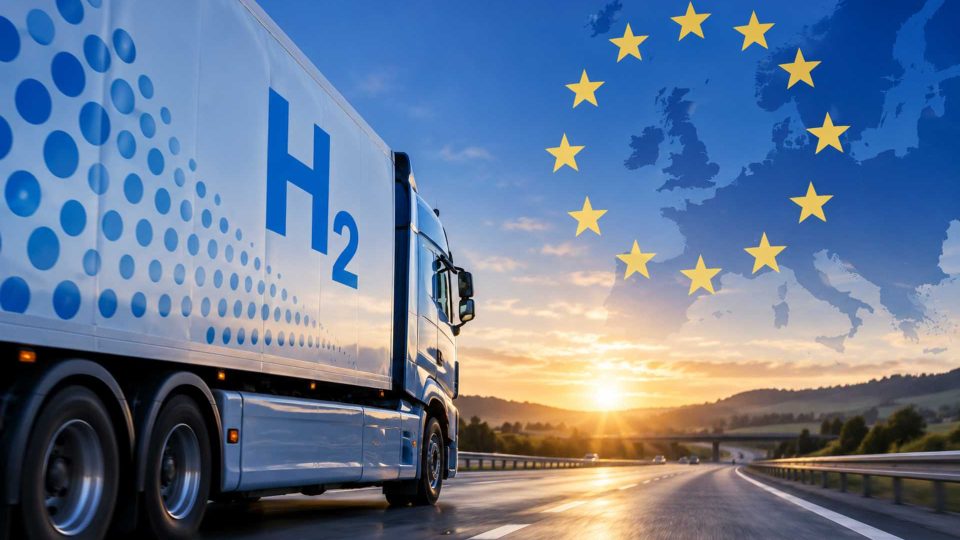
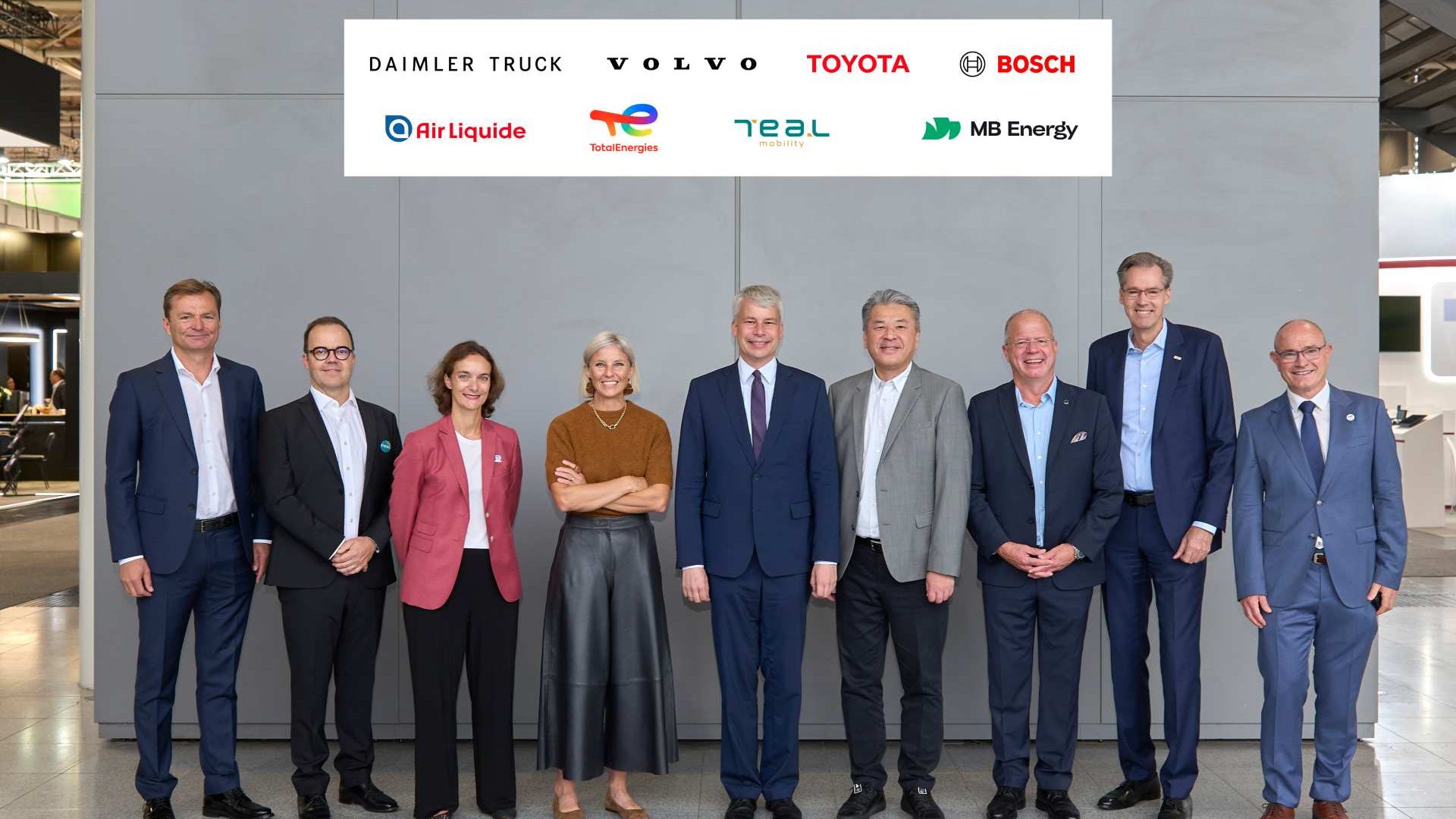
That is absolutely right. Having a good vehicle is not enough if the infrastructure needed to operate it is unavailable. Regardless of how advanced a zero-emission truck may be, customers will continue buying diesel vehicles if they cannot operate the alternatives efficiently. This means we need cooperation across the entire value chain, involving vehicle manufacturers, refueling infrastructure operators, hydrogen producers and suppliers. At IAA Transportation 2026 a cross-industryalliance between Daimler Truck, Volvo Group, Toyota, Bosch, Air Liquide, Total Energies, TEAL Mobility, and MB Energy announced a synchronized European scale-up. The objective is to ensure that, in the not-too-distant future, we have vehicles and infrastructure in place that together offer a TCO competitive proposition from the customer’s perspective.
Fuel cells versus hydrogen combustion engines
How do you see the relationship between fuel cells and hydrogen internal combustion engines? Are they competing technologies?
From my perspective, decarbonizing the commercial vehicle industry is an extremely challenging task, and every technological solution that helps us move in that direction is a positive development. This includes hydrogen combustion engines.
At cellcentric, we do not develop hydrogen combustion technology. However, we certainly do not oppose its deployment in commercial vehicles. In fact, fuel cell developers and hydrogen combustion engine manufacturers are in the same boat, because both technologies depend on the availability of hydrogen, a Europe-wide hydrogen refueling infrastructure and ideally a competitive hydrogen price at the pump.
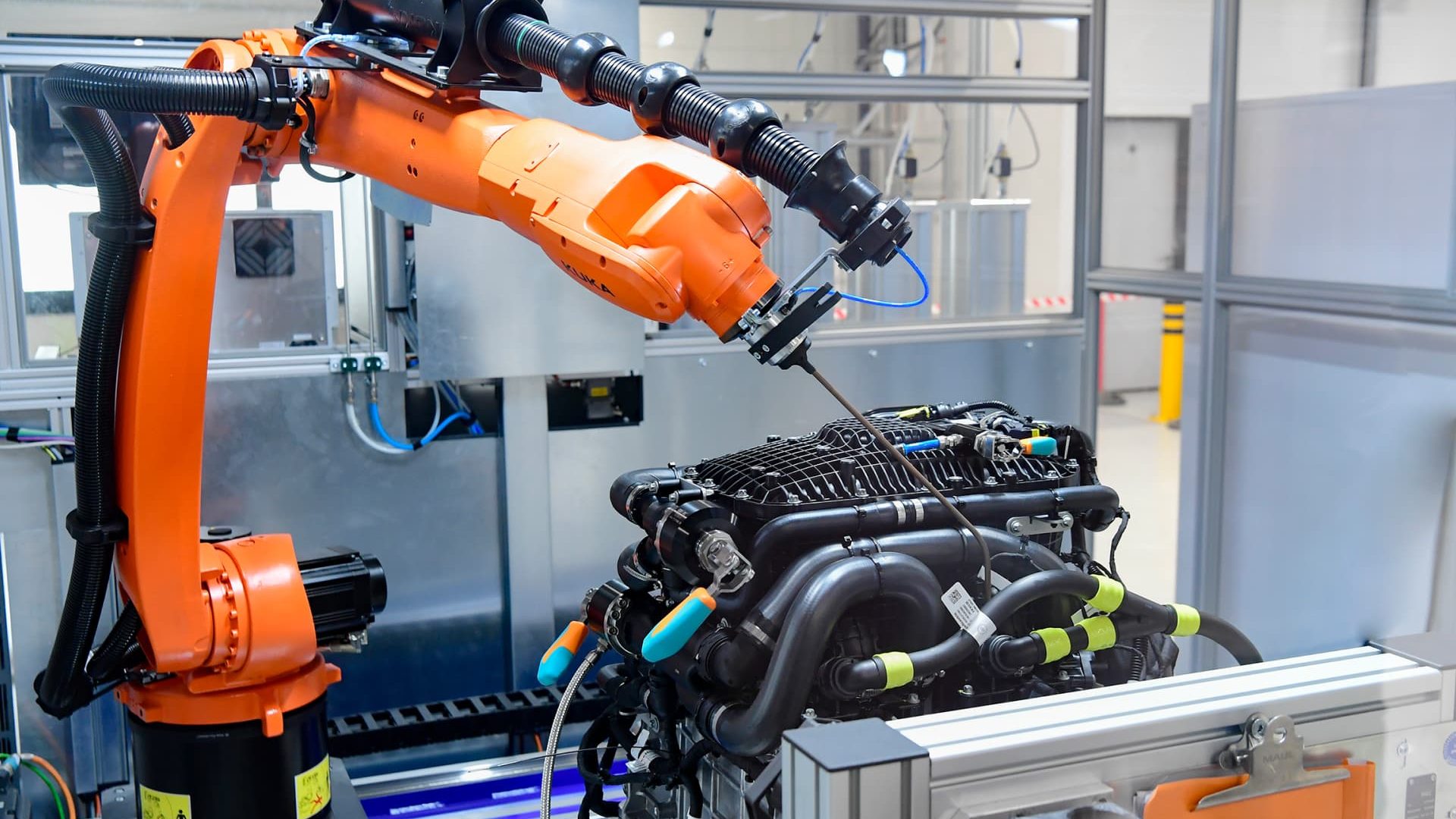
Every additional hydrogen-powered vehicle on the road helps generate demand for the fuel and strengthens the business case for refueling stations. Hydrogen internal combustion engines clearly have a cost advantage, thanks to the high degree of component commonality with conventional diesel engines. This makes them relatively attractive in terms of purchase price near-term while fuel cell technology is scaling up. However, when it comes to energy efficiency, fuel cells have a significant advantage.
From an engineering perspective, how is cellcentric working to reduce the weight of its products?
Weight reduction is always a priority. A lighter truck means greater payload capacity and lower energy consumption. Weight optimization has always been an important objective in commercial vehicle engineering, and fuel cell technology is no exception. If we compare the two generations of cellcentric fuel cell systems, replacing two 150 kW units with a single 375 kW unit results in a significant weight reduction.
European fuel cell technology and competition from China
Could hydrogen and fuel cell technology help European manufacturers compete with Chinese truck makers, particularly in the electric vehicle segment?
It could certainly be one of the factors. Europe is heavily dependent on Chinese partners in the battery-electric vehicle industry. The situation is different in the fuel cell sector and across the wider hydrogen value chain.
In these areas, Europe can build on an existing position of strength, having invested substantially in research, development and industrialization activities in the past decades. In other words, we are not starting from scratch. The experience accumulated by cellcentric is a clear example of the expertise already available in Europe. Now it’s time to recognize our strengths, leverage them consistently, and build a resilient European hydrogen ecosystem as well as a strong market for zero-emission fuel cell technology in long-haul heavy-duty transport and other applications with similar requirements.