

Scania Dynamic: when design evolution means bridging heritage and a new Premium experience
Mårten Bergström, Head of Industrial Design at Scania, explains how the new Dynamic design concept builds on the brand's heritage while redefining the premium experience. From driver comfort and digital technologies to aerodynamics and sustainable materials, design plays an increasingly important role in shaping Scania's future.
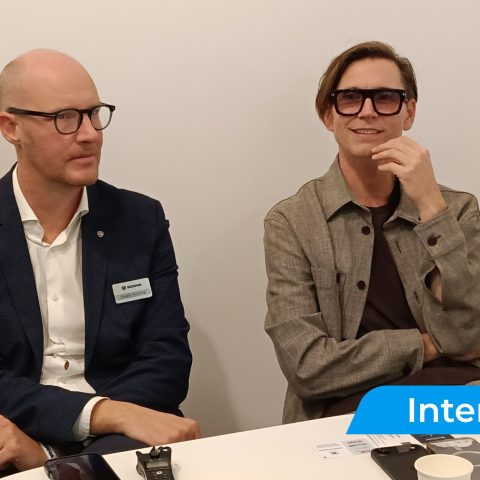

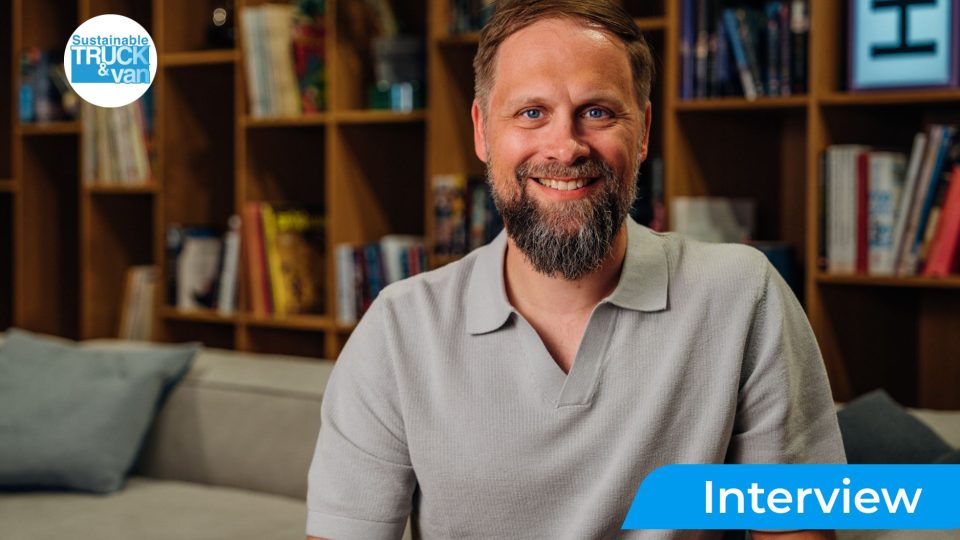
For Scania, industrial design is about much more than shaping the appearance of a truck. It is a way of expressing the brand’s identity, combining a strong heritage with the technological transformations reshaping the transport industry. The new Dynamic design concept reflects this approach, with a focus on driver experience, functionality and a more sophisticated interpretation of premium. At Ecomondo, Rimini, e spoke with Mårten Bergström, Head of Industrial Design at Scania, about the philosophy behind this evolution, the challenges of balancing tradition and innovation, and the increasingly important role of design in the future of commercial vehicles. Fredrik Swartling, CEO of Scania Italy, was at the table, too, adding some more strategic insights.
The Dynamic project within Scania’s design philosophy
What does your role as Head of Scania Industrial Design encompass?
I am responsible for the design of our vehicles, both trucks and buses. That includes interiors and exteriors, as well as powertrains, accessories and other products associated with our vehicles.
How did the Dynamic project begin, and how did it develop?
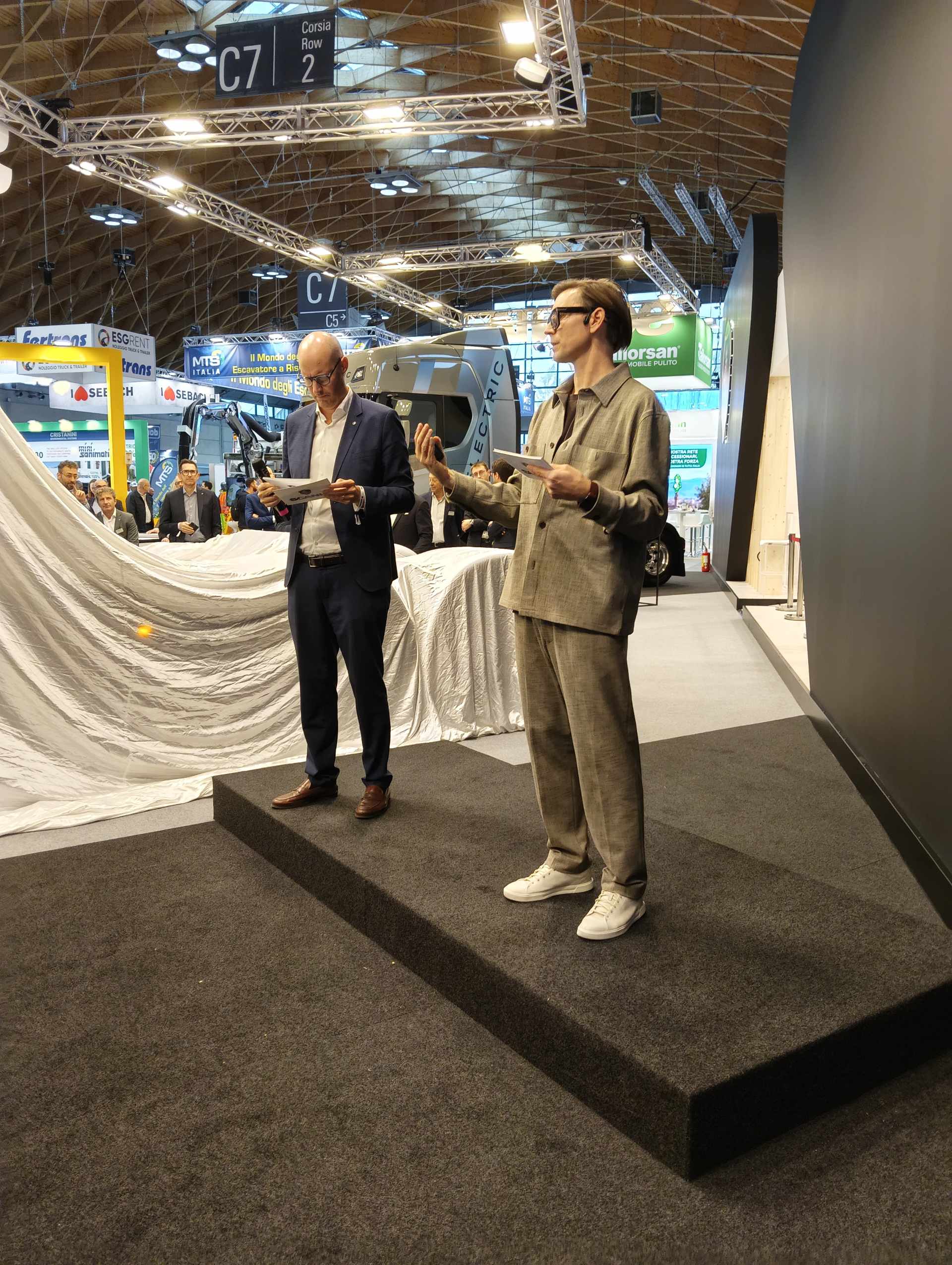
We meet with the executive board regularly throughout the year to review our projects. Dynamic has been in development for some time, and we have presented its progress and received support for the direction we were taking. About two years ago, we presented a show model that became an important milestone for the project. Alongside it, we had a more simplified model. We continued to refine and adjust the proposals until we secured the board’s support. Some decisions made at that stage will also become visible in the future. It is a continuous process of development.
What were the main priorities when designing the interior?
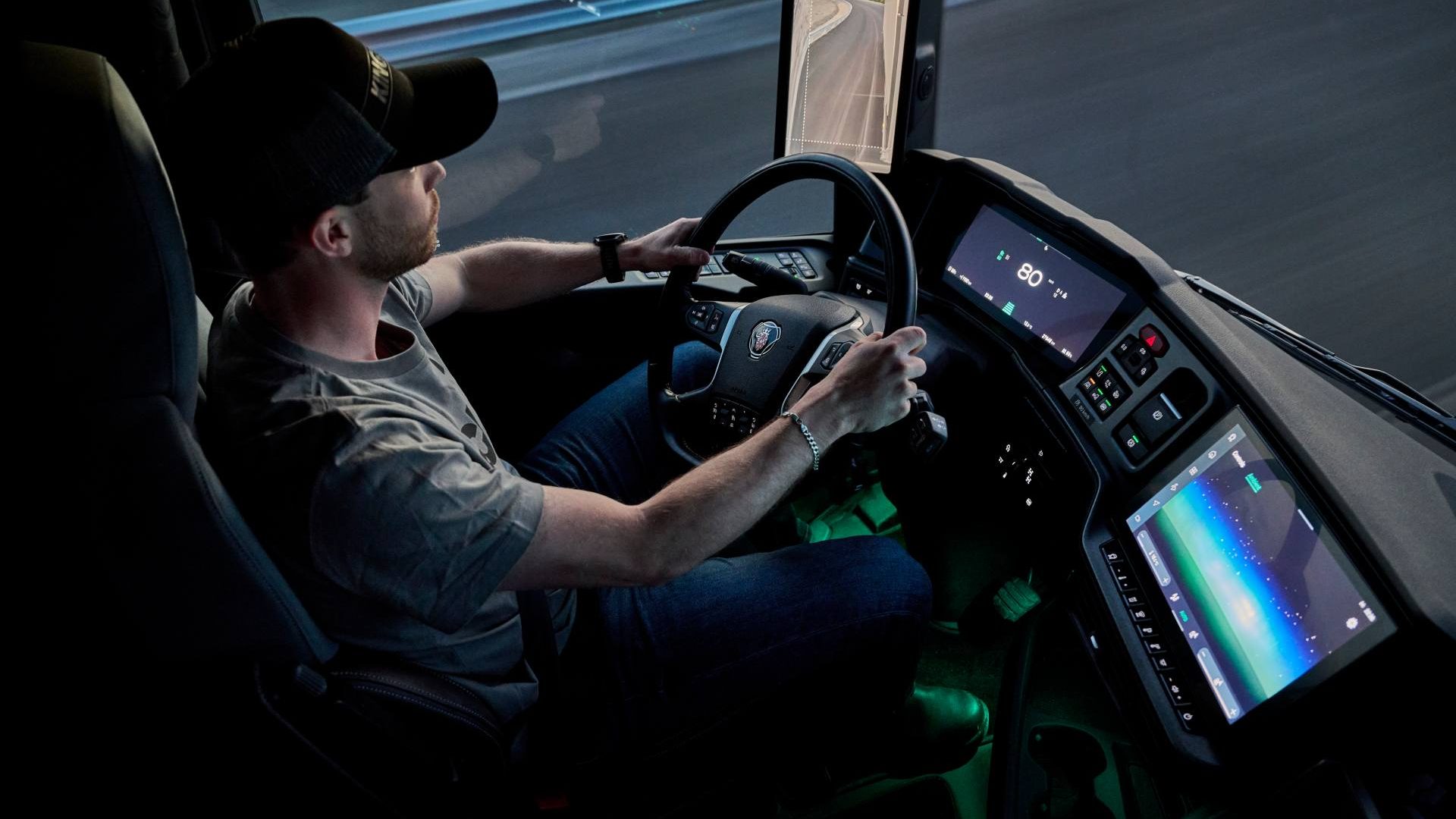
A great deal of the work focused on driver comfort and overall experience, and on defining what we call a new premium experience. We developed an interior mock-up to demonstrate the lighting and materials and presented it separately.
What was the most challenging aspect of the project?
The hardest part is not necessarily creating something new. It is deciding where to focus our energy, resources and investment. We also have to find solutions that make sense within Scania’s modular system. A design concept must work efficiently as part of that system, rather than just looking good in isolation.
Putting the legacy of the Scania brand in a new project
How important is Scania’s 135-year history when developing a new design language?
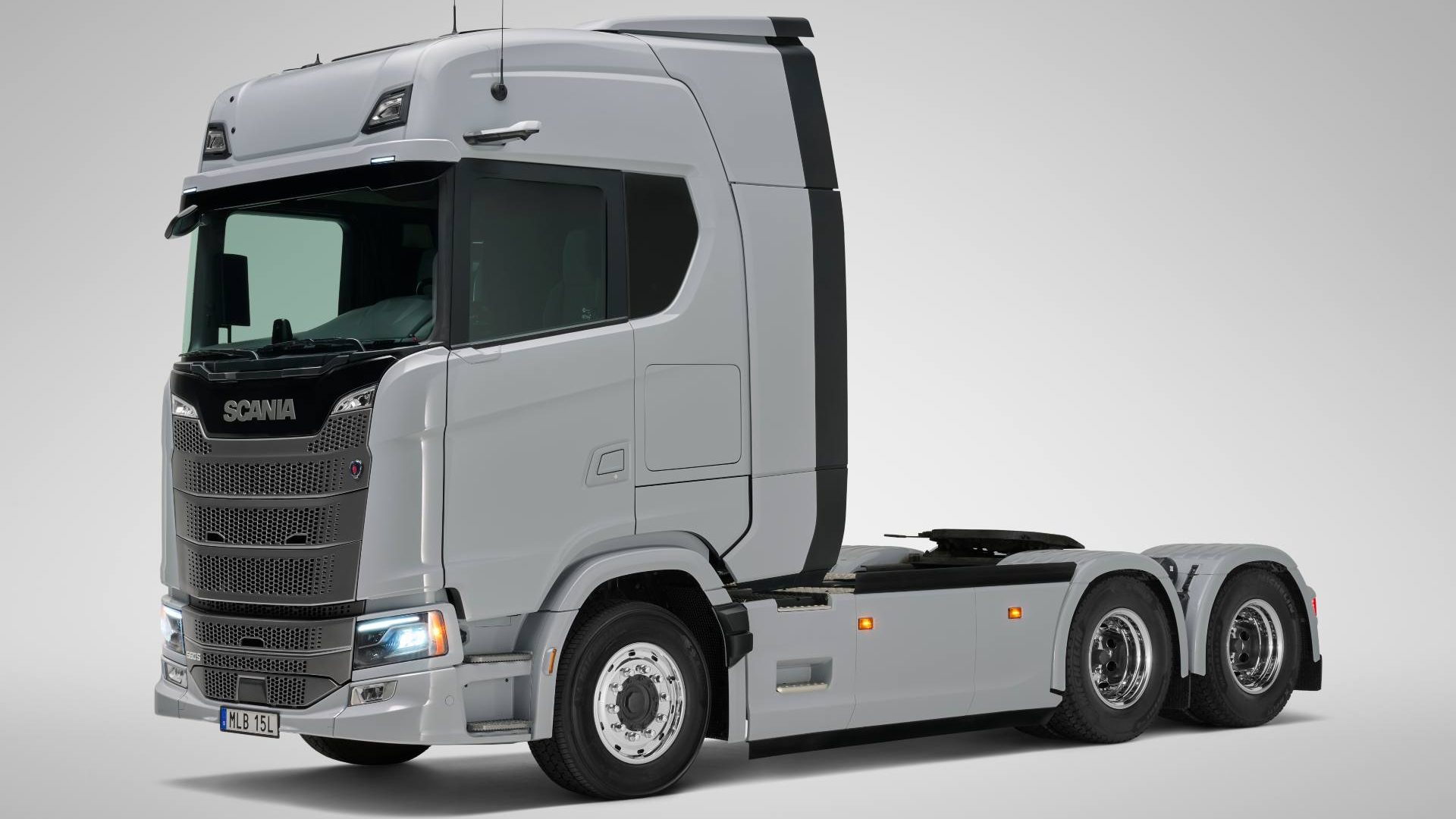
Our history is an asset, and we should use it. For Scania, design is about evolution and efficiency. Our modular approach can accommodate different powertrains, whether hybrid, gas, biodiesel or electric. If we were introducing an entirely different technology or platform, that might justify a more radical change in appearance. The industry is undergoing major transformations, but there is still a logical continuity in what we do. Building on our legacy is the way we believe Scania should evolve.
Fredrik Swartling: Design can be the bridge between Scania’s heritage, including the V8, and its future. At some point, the fleet may become predominantly electric, perhaps even entirely electric. Our design language can connect those two worlds.
Premium experience, technology and details
What will define a Premium Scania in the future?
Fredrik Swartling: Premium and prestige will probably no longer be defined by the sound of a roaring engine. We need to consider what Scania should represent to younger generations: professionalism, elegance and an experience that extends beyond the truck itself. It is also about how we present our workshops, answer the phone and interact with customers. What we call Premium experience must be visible in the product, but today it encompasses much more than it did 40 years ago. Dynamic brings a more elegant and sophisticated expression to the truck, one that can also convey sustainability and the way we want to engage with customers.
Mårten Bergström: The driver is part of a wider ecosystem. We look at the experience holistically, across the vehicle, services and digital touchpoints. Design is not limited to the physical product; it helps define the entire 360-degree experience and reinforces our position as a premium brand.
Was there a particular breakthrough in the development of Dynamic?
For me, the most groundbreaking element is what we call the immersive lighting experience. It required close collaboration between electrical engineers, interior designers and system developers. We can control the individual light sources and integrate them with the digital display. We also have a larger central information display. When customers experience the system in a stable, fully functioning vehicle, they can see how well these elements work together. It may not sound revolutionary, but achieving that level of integration is very difficult. For me, it was one of the most rewarding parts of the project.
Is there a design detail that looks simple but required considerable work?
The Scania wordmark is a good example. We moved it slightly higher and made it smaller, more refined and more precise. The aim was to simplify appearance while preserving a strong identity. The wordmark also varies slightly, including in colour, depending on the vehicle’s powertrain. Achieving the right quality and precision, particularly in the surrounding outline, was a significant challenge. These apparently small graphic details help strengthen the overall identity.
People, teamwork, materials
How is design work organised within Scania?
We do not develop these projects on our own. We work closely with the commercial organisation and R&D, while keeping the long-term product roadmap in mind. Within the studio, we have specialists in vehicle shape, colours and materials, and visual graphics. We also work alongside colleagues responsible for physical vehicle ergonomics.
How large is the design studio?
There are around 100 people in the studio, including industrial designers, vehicle-shape designers, graphic designers and colour-and-material specialists. It is a multidisciplinary process involving many different professions.
How does Scania’s design operation interact with the other Traton brands?
Traton has group-level R&D activities, while each brand retains its own design studio and brand-specific R&D organisation. We are increasingly working with common partners, so coordination and alignment are important, even though the design teams remain separate.
What role do new materials and recyclability play in the interior design?
We have developed new textiles with a strong focus on improving recyclability. That means working closely with suppliers and bringing everyone along in the process. We still have a long way to go, but it is part of a broader ambition.
We are using more recyclable plastics in newly developed parts, as well as more recyclable textiles, including in the floor area. This takes considerable effort, and the benefits will continue to develop over time. That is why a clear long-term vision is important.