

IAA 2024, Opel to launch the new Movano Hydrogen with 500 km WLTP range
The electric motor offers 110 kW (150 hp) of power and a maximum torque of 410 Newton meters. The 11 kWh lithium-ion battery provides support when starting or accelerating. This means that the fuel cell system always works under optimal operating conditions. Some more zero-emission Opel vans will be on display in Hannover.
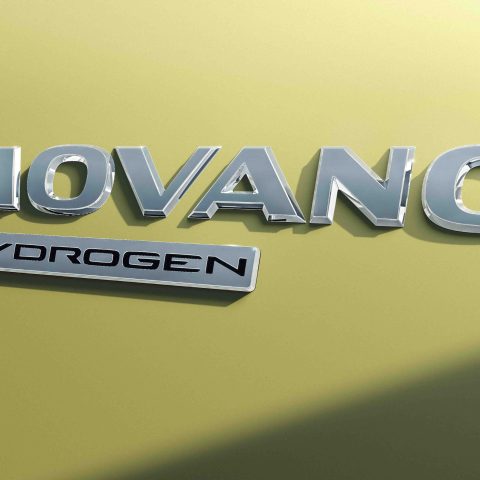
Opel will introduce the new Movano Hydrogen at IAA Transportation. The large van is capable of running for about 500 km according to the WLTP standard and can be refuelled in about five minutes. The new Opel Movano Electric can already be ordered as a battery-electric vehicle.
Opel Movano Hydrogen
The electric motor offers 110 kW (150 hp) of power and a maximum torque of 410 Newton meters. The 11 kWh lithium-ion battery provides support when starting or accelerating. This means that the fuel cell system always works under optimal operating conditions. In addition, the Movano HYDROGEN fully exploits its qualities as a flexible load carrier and, depending on the variant, can stow up to 17 m3 of cargo and take on up to 1,370 kilogrammes of payload.
Talking about other Opel van models, the new Opel Combo Electric and the battery-electric Opel Rocks Electric quadricycle with KARGO kit for delivery services and the likewill also be on display at the joint Stellantis Pro One stand at IAA.