
Ricardo inaugurates hydrogen test facility in Shoreham-by-Sea, UK
The facility has been designed to leverage and extend Ricardo’s capabilities and expertise in building expertise in zero emissions mobility solutions. It will form part of a global centre of excellence for hydrogen, defossilised fuels and electrified transport engineering.
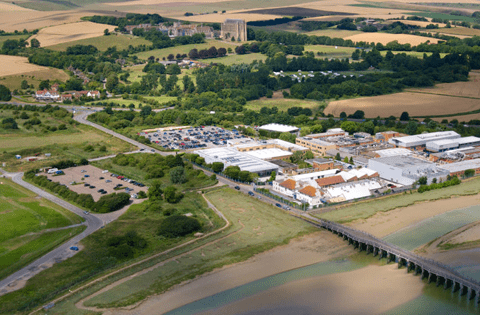
Global consulting company Ricardo has celebrated the official opening of its hydrogen test facility at its headquarters in Shoreham-by-Sea, UK. The facility has been designed “to leverage and extend Ricardo’s capabilities and expertise in building expertise in zero emissions mobility solutions“, stated the company. It will form part of a global centre of excellence for hydrogen, defossilised fuels and electrified transport engineering. Here’s an interview we made with Ricardo’s management about their view on hydrogen development in the CV world.
Ricardo’s new hydrogen test facility in the UK
The facility will enable Ricardo to correlate simulation and modelling tools with real life, to support faster and a more efficient design of powertrains. It will also be able to test bespoke multi-stack systems, designed and optimised for weight, cost and efficiency.
Potrebbe interessarti

Ricardo gets UK Government support to develop sustainable motors for electric LCVs
“I’m delighted at the opening of this new facility at our Shoreham Technical Centre. It enables us to offer a one-stop-shop for customers: from design and development, right through to the testing and integration of alternative fuel technologies, such as hydrogen, to support future production planning. We’re already working with a range of customers on hydrogen and fuel cell technology, providing clean, efficient solutions, which reduce carbon and emissions across several sectors”, commented Matt Beasley, President of Established Mobility at Ricardo.