
Scania electric trucks go into production 1,250 metres underground at LKAB mine
Two Scania battery-electric trucks are now hauling iron ore 1,250 metres underground at LKAB's Malmberget mine in Sweden. With a payload of more than 70 tonnes and 624 kWh batteries, the vehicles represent Scania's first battery-electric trucks deployed in heavy underground mining operations.
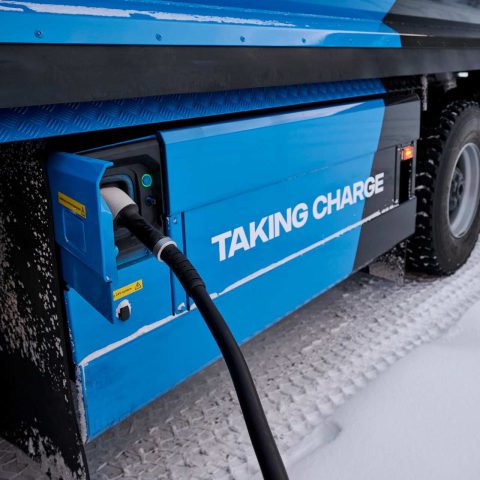
Battery-electric trucks are moving into one of the most demanding transport environments imaginable. Swedish mining company LKAB has put two Scania electric heavy trucks into production at its Malmberget iron ore mine, where they operate at a depth of around 1,250 metres underground.
The two vehicles are tractor-semitrailer combinations specifically adapted for underground mining. Each can carry just over 70 tonnes of payload and is equipped with batteries providing 624 kWh of energy capacity. According to Scania, this is the first time its battery-electric trucks have been deployed in heavy underground mining operations.
More than 70 tonnes of payload on battery power
The electric trucks are being used to transport iron ore from underground chutes to crushers, becoming part of the mine’s normal production process rather than operating solely as demonstration vehicles.
The scale of the operation provides an indication of the challenge. LKAB moves more than 50,000 tonnes of ore every day at Malmberget. The two electric trucks will initially work two shifts for a combined 16 hours per day, while the longer-term objective is to evaluate their suitability for continuous 24/7 operation.
Interestingly, the underground environment also provides some favourable conditions for battery-electric operation. While the vehicles have to cope with very heavy loads, temperatures inside the mine remain relatively stable at around 12 to 15°C, avoiding the extreme winter conditions experienced by vehicles operating above ground in northern Sweden.
LKAB will use the production phase to assess energy consumption, range per charge and, ultimately, whether battery-electric trucks can replace diesel equipment without compromising productivity.
Scania and LKAB scale up electric mining operations
The two companies have already gathered several years of experience with electric trucks at Malmberget. A Scania 25P XT electric heavy tipper entered surface operation at the mine in 2022, with a gross combination weight of 49 tonnes.
During its first major test phase, that vehicle covered around 50,000 kilometres and transported more than 300,000 tonnes of material. According to LKAB, drivers typically completed 15 to 20 loads per shift, with one charging session during the lunch break proving sufficient for the operation. The new underground trucks therefore represent a considerable step up in payload and operating severity.
The project forms part of LKAB’s broader mine electrification programme. The Swedish company aims to have 30% of its mining fleet electrified by 2027, with at least five million tonnes of material per year hauled and loaded without tailpipe emissions.
For mining operations, the potential benefits of electrification also extend beyond vehicle emissions. Removing diesel engines from underground environments can reduce local exhaust emissions and consequently the ventilation requirements associated with conventional mining equipment — an aspect that can become particularly significant as operations move deeper underground.