
H.Essers adds 20 electric trucks from MAN and Mercedes, expanding fleet to 31 vehicles
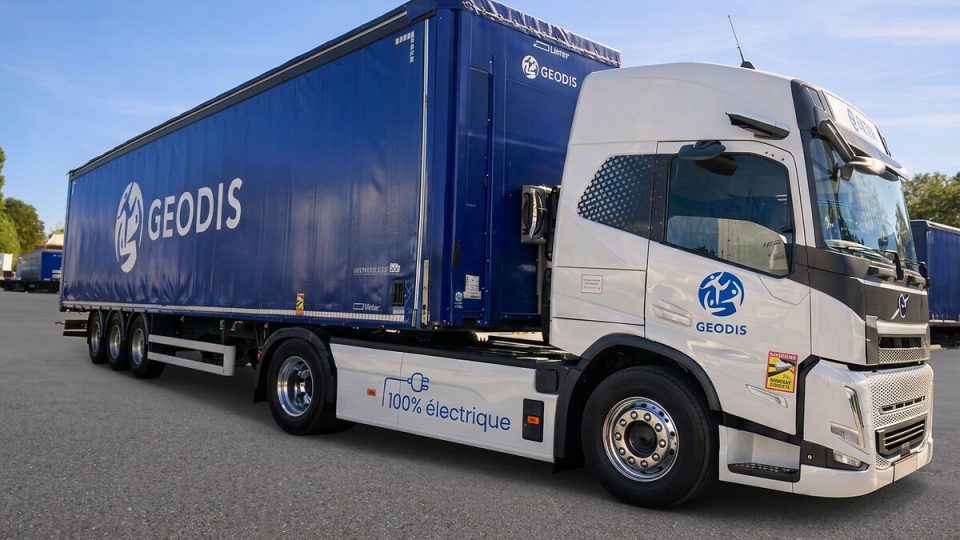
Belgian logistics company H.Essers has introduced 20 new battery-electric trucks, supplied equally by MAN and Mercedes-Benz Trucks. The vehicles bring its electric truck fleet to 31 units and will mainly operate in Belgium. The investment is accompanied by additional charging capacity and an integrated energy management strategy.
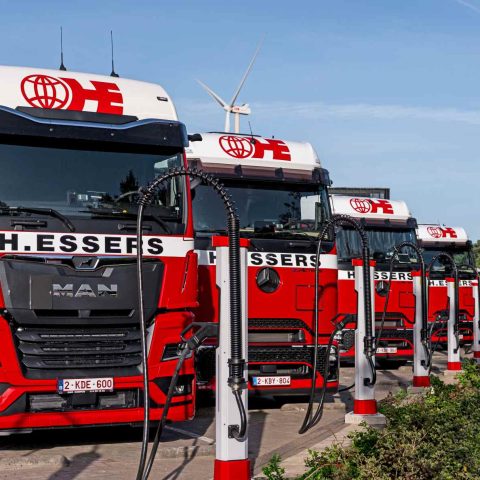
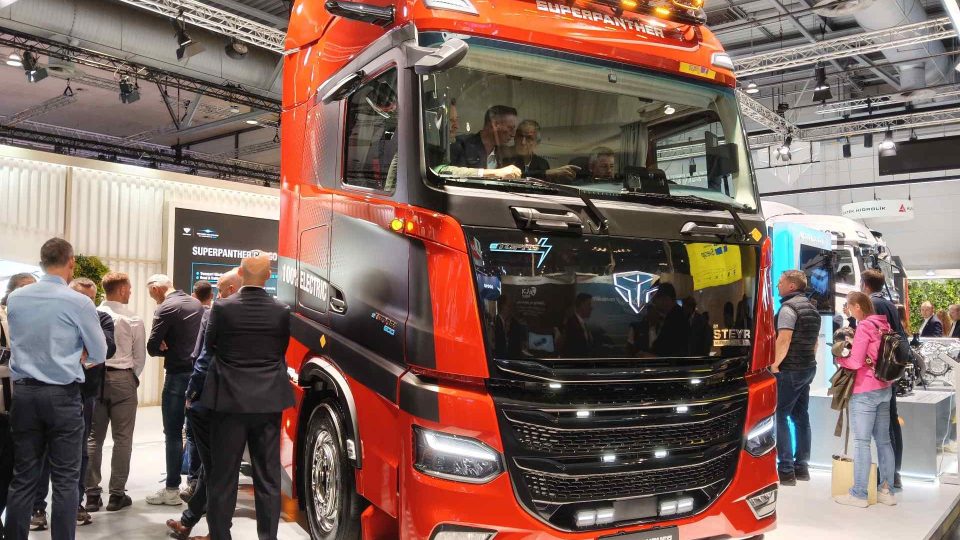
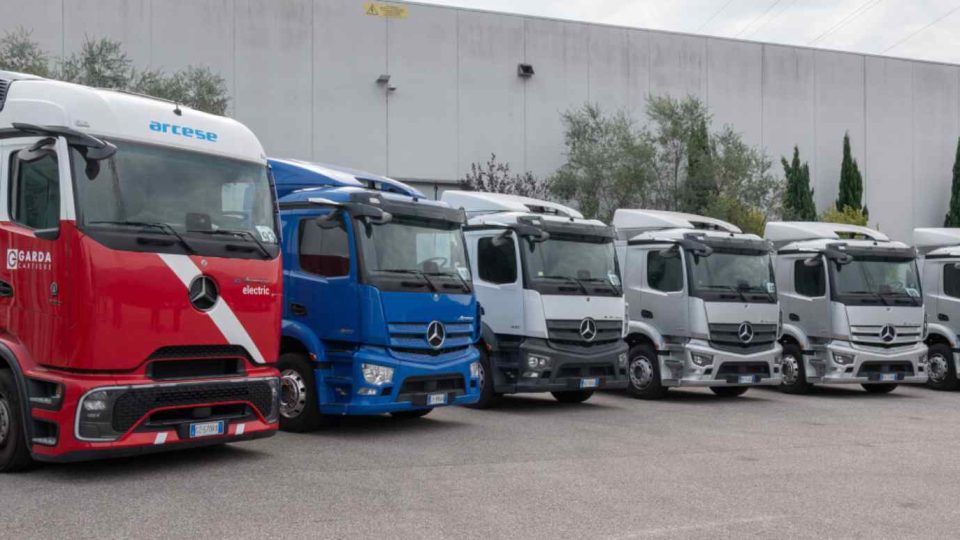
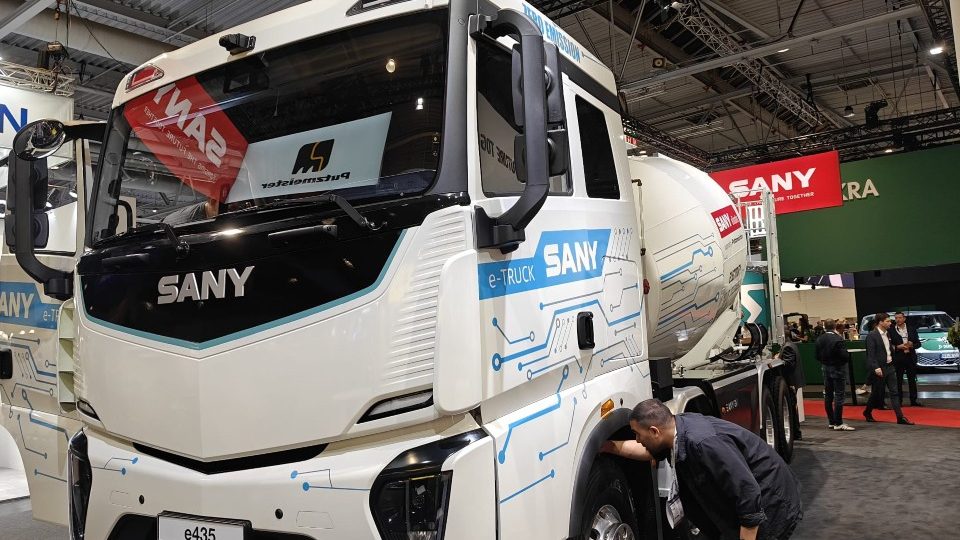
H.Essers is expanding its electric truck fleet with 20 new vehicles, including ten MAN trucks and ten Mercedes-Benz Trucks models. The vehicles are already operational and will mainly be deployed across the company’s Belgian sites.
With the latest additions, the logistics provider now operates 31 electric trucks, as it works towards electrifying 15% of its fleet by 2030. The company also aims to reduce greenhouse gas emissions from its own fleet by 42% over the same period.
The investment follows a pilot project involving six electric trucks from three manufacturers, which allowed H.Essers to evaluate battery-electric vehicles in everyday transport operations.
Electric truck range and charging performance
According to H.Essers, the new Mercedes-Benz electric trucks offer a range of 525 to 575 kilometres, while the MAN vehicles can cover between 400 and 450 kilometres. The company states that both types can be recharged in approximately 90 minutes under optimal conditions.
Although the purchase price of electric trucks remains higher than that of conventional diesel vehicles, H.Essers considers European incentives, subsidies and toll exemptions important factors in supporting the business case for electrification.
“Electric trucks play an important role in making logistics more sustainable and are becoming a viable option for an increasing number of applications,” said Christopher Van den Daele, COO Transport at H.Essers.
Charging infrastructure and energy management
Alongside the fleet expansion, H.Essers is increasing its charging infrastructure at several locations. At its sites in Genk, Belgium, and Bergen op Zoom, the Netherlands, installed charging capacity is being expanded to 2.7 MW, supporting the growing electricity demand associated with transport electrification.
The company has also introduced Synchro Grid, an integrated energy management system designed to coordinate electricity production, consumption and storage across its operations.
The objective is to gradually transform its logistics sites into flexible energy hubs, while also supporting the electrification of warehouses, equipment and other company activities.
Training drivers and adapting transport planning
H.Essers is also investing in staff training through its internal H.Essers Academy, preparing drivers, planners and other employees for the operational requirements of electric transport.
For transport planners, the transition introduces additional variables, including charging availability, energy consumption and charging times, which must be integrated into daily route planning. The company is therefore combining vehicle deployment with operational training and closer coordination between transport planning and energy management.