

Solutrans 2025, Renault presents the brand-new Trafic E-Tech, the first with SDV architecture
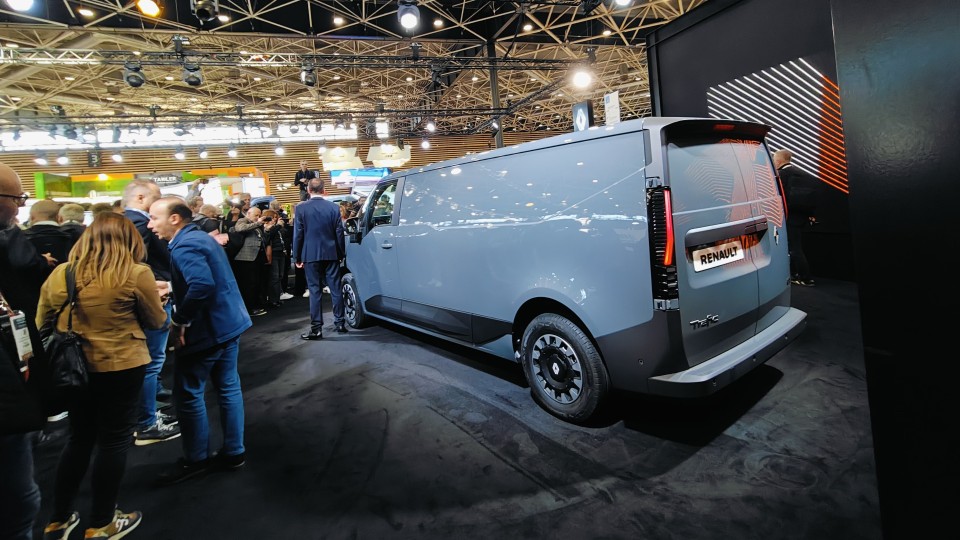
At Solutrans 2025, Renault has officially launched the brand-new Trafic E-Tech. It is the very first Renault vehicle with SDV architecture by Ampere, also featured by fast-charging 800V technology. Production is set to begin in late 2026. So far, Renault has introduced the cargo van version. Later on, Trafic E-Tech chassis cab, platform cab, tipper, […]
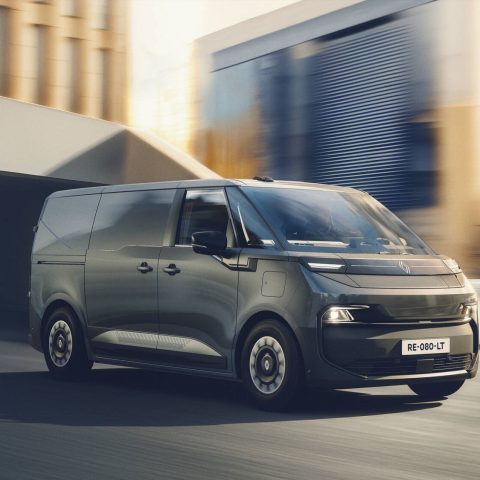
At Solutrans 2025, Renault has officially launched the brand-new Trafic E-Tech. It is the very first Renault vehicle with SDV architecture by Ampere, also featured by fast-charging 800V technology. Production is set to begin in late 2026. So far, Renault has introduced the cargo van version. Later on, Trafic E-Tech chassis cab, platform cab, tipper, flatbed and cargo box will follow. The new version is set to replace the old version of the mid-sized electric van.
The new all-electric “skateboard” platform is designed to optimise load capacity in relation to footprint, with a minimal front overhang and rear-mounted powertrain. Speaking of size, in its L1 body style, the new van offers load capacity of 5.1 m3 for a length of 4.87m and width of 1.92m. The L2 van has load capacity of 5.8 m3 for a length of 5.27m, with a wheelbase that is 40 cm longer. At the same time, overall height has been reduced to 1.90m.
Renault Trafic E-Tech electric: range and batteries
In terms of range, for high-mileage drivers, the long-range battery with NMC (nickel manganese cobalt) technology delivers the highest energy density for a maximum range of around 450 km WLTP. This battery will be available from launch. For business users working primarily in the city, the urban range battery uses LFP (lithium iron phosphate) technology with no rare metals such as cobalt or nickel. This model combines a competitive price with a range of almost 350 km WLTP. This battery will be available at a later date. According to Renault, all the battery cells will be manufactured in Europe.
Additionally, the batteries also offer the new 800V fast-charging technology. A first for Renault, this feature makes everyday organisation easier for business users. The electric motor, also developed in Europe, has got output of 150 kW and torque of 345 Nm. The new Trafic Van E-Tech Electric will be built in France, at the Renault Group plant in Sandouville, alongside the existing Trafic ICE, which is continuing its market career.
Software-defined vehicle
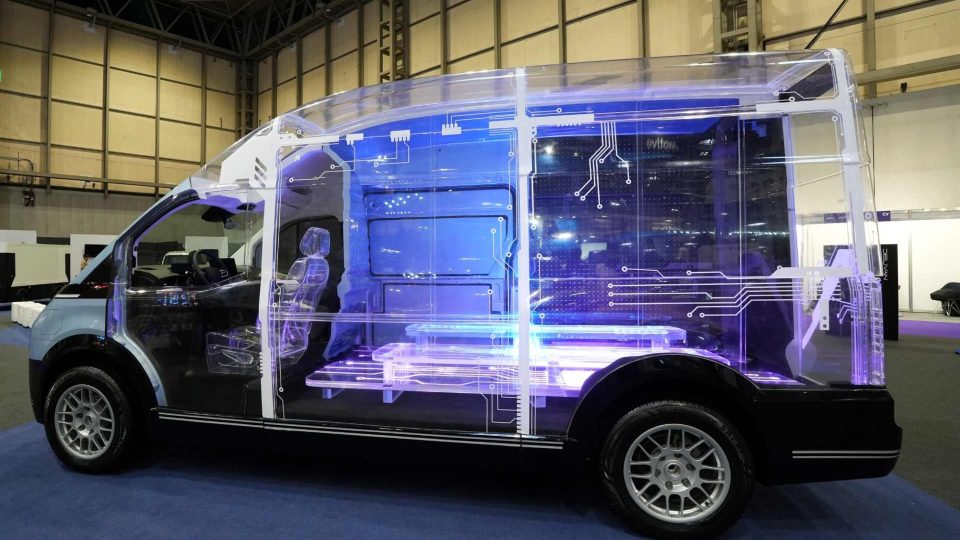
SDV means that software is no longer peripheral and limited to certain functions, as in previous vehicle architectures, but central to the entire vehicle. The dozens of computers previously distributed throughout the vehicle have been replaced by a single, extremely powerful central computer. This centralised software architecture can be updated throughout the life of the vehicle, in the same way as a phone or laptop.
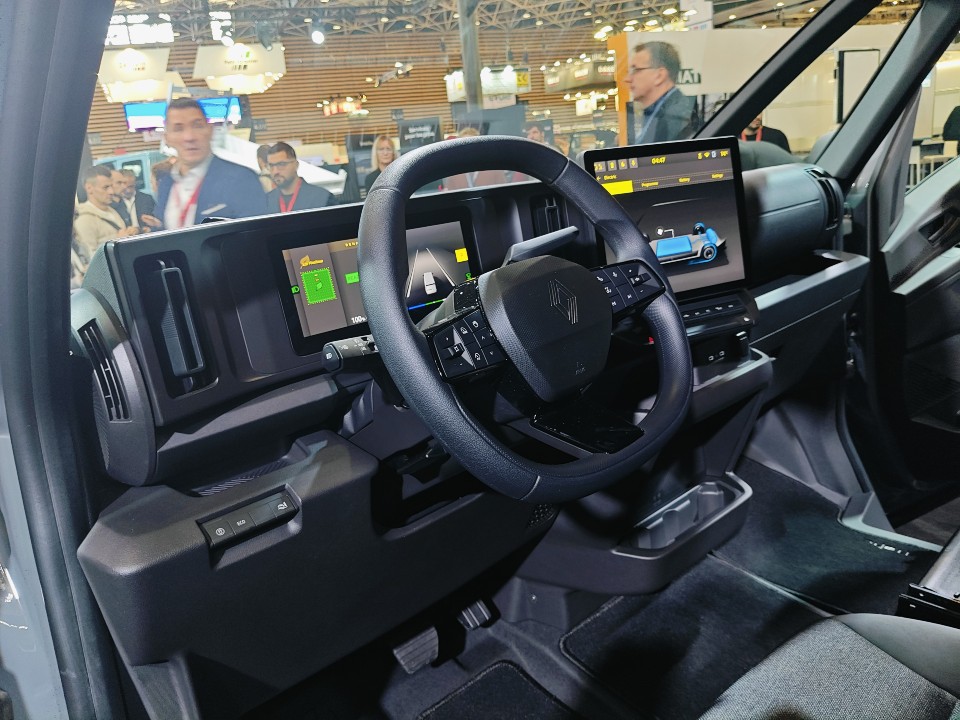
Supported by SDV technology, Trafic also introduces a new generation of multimedia system: openR evo. Equipped with a 12-inch screen and optimized for commercial vehicles, this system—featuring the largest screen in Renault’s utility vehicle range—offers tailored navigation that takes into account vehicle dimensions and load to avoid unsuitable routes.